Enjoy Poverty
2009
No user ratings available yet
Representation score: 3.9 out of 10
Representation Score
Good
2017
Director
Emmanuel Gras
Runtime
97 minutes
Average Rating
No ratings yetNew Showbiz Analysis
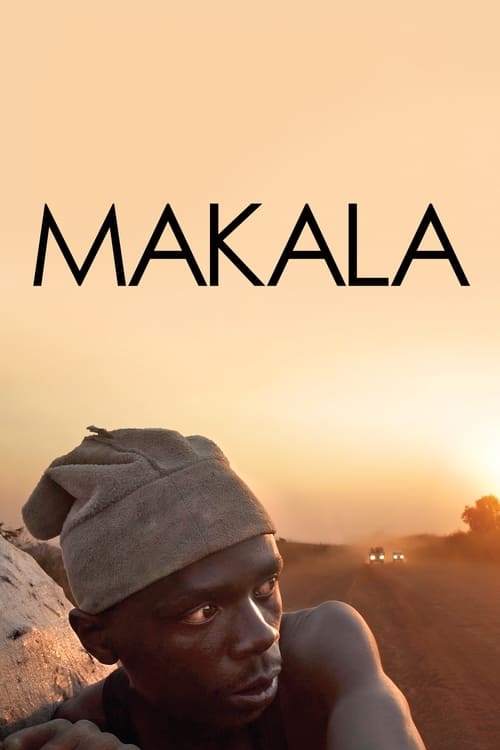
Makala is a powerful observational documentary that centers the lived experiences of its Congolese subjects. It avoids the Western perspective, instead focusing on hyper-local specificity that treats regional identity as the film's driving force. The film's greatest strength lies in its refusal to romanticize or oversimplify African urban life. By focusing on the informal economy, it offers a detailed look at how systemic failures shape individual and communal survival. While the film excels in racial and cultural authenticity, it lacks specific representation of LGBTQ+ identities and physical or neurodivergent disabilities. The narrative remains focused on the immediate socioeconomic realities of the protagonists.
Category Breakdown
The film does not include any LGBTQ+ characters or narratives centered around non-straight identities. The focus is on the socioeconomic and family dynamics of the community.
The film emphasizes the active role of individuals navigating gendered economic roles. Characters are shown as active participants in their own survival rather than passive victims.
The film features an authentic, non-white majority cast that provides a rare, unfiltered look at Black ability to act and communal life in the Democratic Republic of Congo.
The film presents a nuanced view of survival-based ethics over Western-centric legalism. It focuses on the informal economy rather than traditional or formal institutions.
The film does not prominently feature characters with specific disabilities. It captures the unseen impact of systemic poverty but lacks depictions of neurodivergence or physical impairments.
Present on Screen
Limited or Absent
Official Synopsis
Kabwita, a young man living with his wife and daughters in Kolwezi, a town in the southwest of the Democratic Republic of Congo, dreams of buying land to build a house. To do so, he produces charcoal (makala), extracted from the ashes of a mighty hardwood tree. Carrying the sacks of charcoal on the back of his bicycle, he embarks on a dangerous journey to sell them on the market.
2009
2004
2015
2011
2005
2015
2009

2011
No reviews yet. Be the first to share your thoughts on this movie!
Use the rating form above to leave a star rating and optional review.