
Born in Syria
2016
No user ratings available yet
Diversity score: 6.8 out of 10
2015
TV-PGDirector
Andrew Hinton, Johnny Burke
Runtime
39 minutes
Average Rating
No ratings yetSynopsis
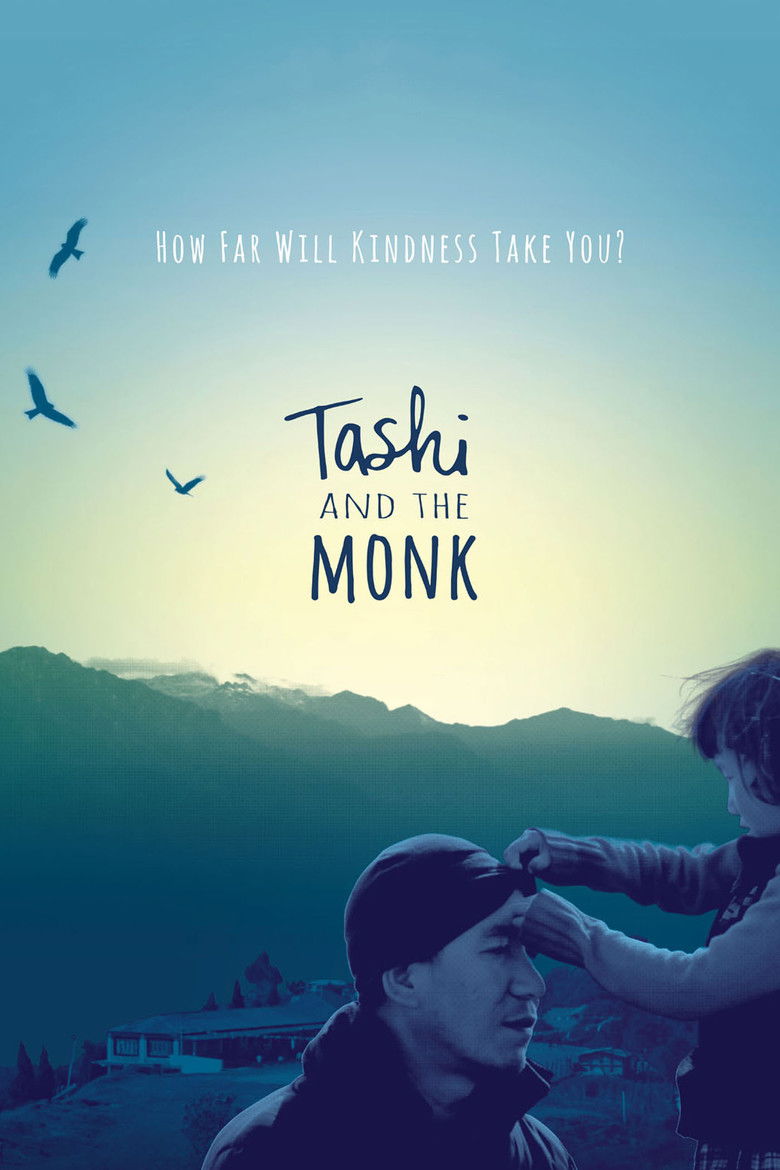
This moving documentary profiles a former Buddhist monk who runs a home for orphaned children in the Himalayas, and his relationship with its newest arrival, troubled five-year-old Tashi.
Overall Score
Good
Category Breakdown
LGBTQ+ Representation
The documentary lacks explicit LGBTQ+ characters or narratives. The story focuses on a protagonist's development within a traditional religious framework.
Gender Representation
The film disrupts patriarchal structures by centering a female experience in a male-dominated monastic setting. It highlights the agency of a young girl navigating institutional discipline.
Racial & Ethnic Diversity
The film offers high-level representation of the Tibetan diaspora in India. It centers Tibetan cultural identity and linguistic nuances without using a Western-centric lens.
Religious & Cultural Diversity
The narrative explores the intersection of religious devotion and secular impulses. It presents a nuanced view of spirituality that allows for human rebellion and personal truth.
Disability Representation
The film treats the protagonist's emotional troubles as situational realities. It does not explicitly center on recognized physical or neurodivergent disabilities.
Strengths
Areas for Improvement
AI Analysis
Tashi and the Monk succeeds as a humanistic portrait of the Tibetan diaspora, moving beyond observational Western perspectives to grant agency to its non-Western subjects. By centering a young girl's autonomy within a monastic environment, the film subverts expectations of a purely male-centric religious narrative. The documentary excels at portraying the tension between cultural tradition and individual identity. It avoids moralizing adolescent rebellion, instead framing the protagonist's development through a sophisticated, non-binary view of morality. While the film lacks LGBTQ+ representation and does not focus on specific physical disabilities, its strength lies in its cultural depth and its ability to disrupt traditional institutional hierarchies through a female lens.
2016
2014
2005
2014
2013
2006

2017
2015

2011
2021
2013
2018
No reviews yet. Be the first to share your thoughts on this movie!
Use the rating form above to leave a star rating and optional review.