High School
1969
No user ratings available yet
Representation score: 5.2 out of 10
Representation Score
Excellent
1994
Director
Frederick Wiseman
Runtime
220 minutes
Average Rating
No ratings yetNew Showbiz Analysis
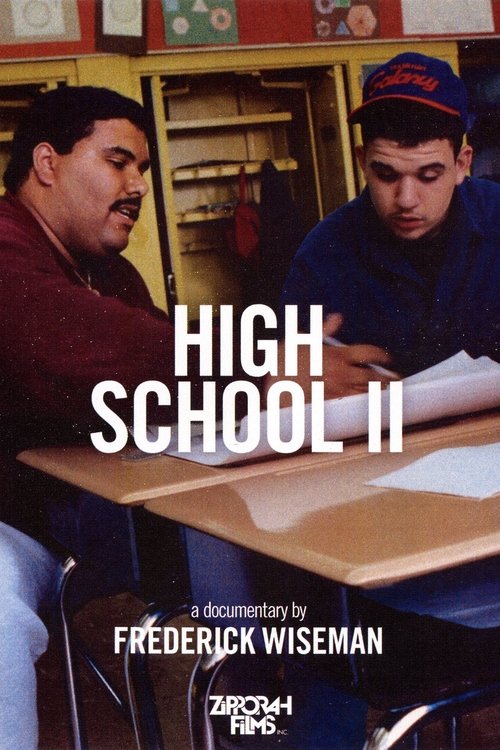
Frederick Wiseman’s observational approach offers a sophisticated look at a diverse urban institution. By focusing on the 'Habits of Mind' program, the film highlights the intellectual capabilities of a predominantly non-white student body in Spanish Harlem. While the documentary excels in depicting racial and ethnic diversity and sociological discourse, it lacks the overt, identity-driven narratives common in modern scripted media. It functions as a realistic window into social mechanics rather than a vehicle for specific identity politics. The film's strength lies in its refusal to treat underrepresented students as passive subjects, instead presenting them as active thinkers navigating complex systemic structures.
Category Breakdown
The film captures natural social interactions among a diverse group of adolescents but does not have a central narrative focused on LGBTQ themes or non-straight identities.
Female students and faculty members are shown demonstrating intellectual leadership and rigor. The film captures existing social dynamics rather than using scripted storylines to challenge traditional gender roles.
Set in Spanish Harlem, the film features a predominantly Hispanic student body. Students of color are presented as active participants in discussions about race and class.
The curriculum emphasizes secular critical thinking and intellectual diversity. This approach challenges standard Western educational models by promoting a decentralized, student-focused learning environment.
The documentary captures a general student population without focusing on specific disabilities. There is no evidence of themes related to neurodivergence or physical disabilities.
Present on Screen
Limited or Absent
Official Synopsis
Frederick Wiseman is back to school, this time at Central Park East Secondary School (CPESS), a successful alternative high school in New York's Spanish Harlem, 85-95% of whose graduates go on to four-year colleges. Illustrating the school's emphasis on the 'Habits of Mind' program—weighing evidence; awareness of multiple points of view; seeing connections and relationships; speculating on possibilities; and assessing values—sequences highlight the school's approach to learning include classroom activities in the humanities and sciences; family conferences; discussions of race, class, and gender; faculty meetings; disciplinary problems; sex education; conflict resolution by students; and student council meetings.
1969
2002
1986

2020
2013
2010
2003
1994
No reviews yet. Be the first to share your thoughts on this movie!
Use the rating form above to leave a star rating and optional review.