Army
1944
No user ratings available yet
Diversity score: 1.7 out of 10
1960
NRDirector
Phil Karlson
Runtime
131 minutes
Average Rating
No ratings yetSynopsis
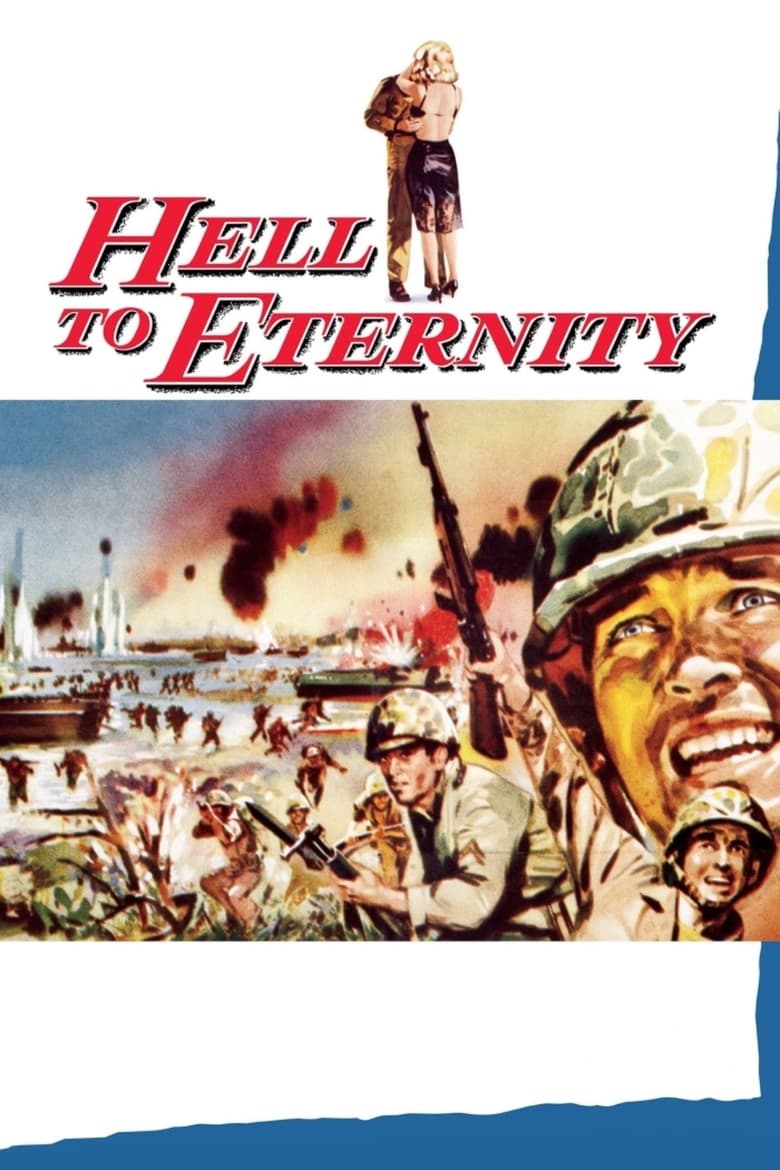
Based on the story about Guy Gabaldon, a Los Angeles Hispanic boy raised in the 1930s by a Japanese-American foster family. After Pearl Harbor, his foster family is interned at the Manzanar camp for Japanese Americans, while he enlists in the Marines, where his ability to speak Japanese becomes a vital asset. During the Battle of Saipan, he convinces 800 Japanese to surrender after their general commits suicide.
Overall Score
Limited
Category Breakdown
LGBTQ+ Representation
The film features an exclusively male-centric military ensemble. There is no presence of non-cisnormative identities or same-sex intimacy.
Gender Representation
Female agency is absent due to the combat setting. The narrative reinforces a patriarchal environment where female perspectives are non-existent.
Racial & Ethnic Diversity
The story disrupts standard tropes by centering a Hispanic protagonist raised in a Japanese-American household. This provides meaningful ethnic depth and historical complexity.
Religious & Cultural Diversity
The film functions as a traditional war drama emphasizing patriotism and duty. It aligns with mid-century values regarding national service and institutional structure.
Disability Representation
No characters with visible or invisible disabilities are central to the plot. There are no depictions of neurodivergence or chronic illness.
Strengths
Areas for Improvement
AI Analysis
Hell to Eternity distinguishes itself from typical 1960s war cinema through its intersectional protagonist. By focusing on Guy Gabaldon, a Hispanic man with deep ties to the Japanese-American community, the film challenges the era's standard of racial homogeneity. However, the film remains heavily constrained by the period's social norms. The narrative is strictly male-dominated, offering no female agency or LGBTQ+ representation, which keeps the overall score low. Ultimately, while the film provides significant racial and ethnic nuance, it remains a traditionalist work that adheres to mid-century patriotic and patriarchal hierarchies.
1944
1949
1950

1961
1957
1965
1960
1959
1960
1942
1953
1963
No reviews yet. Be the first to share your thoughts on this movie!
Use the rating form above to leave a star rating and optional review.