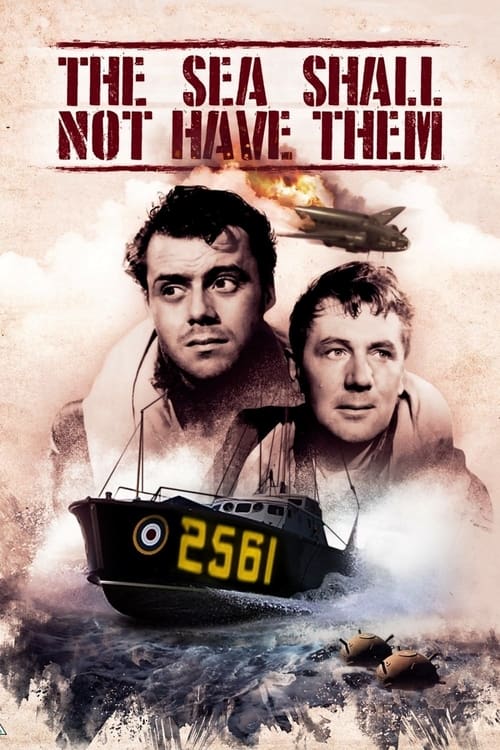
The Sea Shall Not Have Them
1954
No user ratings available yet
Diversity score: 0.9 out of 10
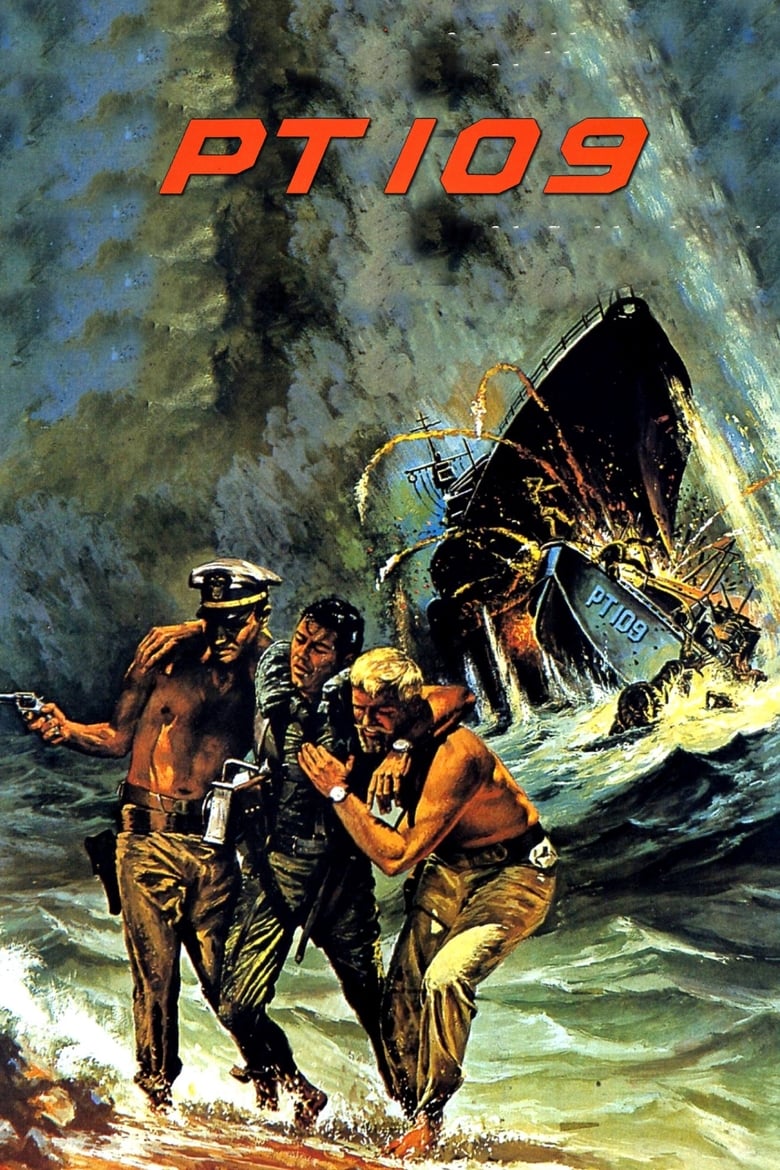
1963
Director
Leslie H. Martinson
Runtime
140 minutes
Average Rating
No ratings yetSynopsis
Dramatization of President John F. Kennedy's war time experiences during which he captained a PT boat, took it to battle and had it sunk by a Japanese destroyer. He and the survivors had to make their way to an island, find food and shelter and signal the Navy for rescue.
Overall Score
Minimal
Category Breakdown
LGBTQ+ Representation
The film is strictly heteronormative, focusing on a male-dominated military environment. It excludes queer perspectives and shows no evidence of non-cisnormative identities.
Gender Representation
The narrative centers almost exclusively on male military personnel. Women are absent from the primary setting, reinforcing traditional hierarchies and masculine archetypes of leadership.
Racial & Ethnic Diversity
The cast is predominantly white, reflecting the demographic homogeneity of the era. While depicting conflict with Japanese forces, it lacks nuanced intersectional or post-colonial critique.
Religious & Cultural Diversity
The film emphasizes patriotism and military discipline. It portrays Western military institutions as heroic, reinforcing mid-century values and the stability of the established order.
Disability Representation
There is no significant depiction of neurodivergence or physical disability portrayed with agency. The focus remains entirely on the operational functionality of the crew.
Strengths
Areas for Improvement
AI Analysis
PT 109 is a quintessential example of mid-century traditionalist cinema. The narrative architecture is built upon the reinforcement of established social and institutional hierarchies rather than challenging them. The film prioritizes historical conformity and a streamlined depiction of wartime duty. This results in a lack of demographic breadth and a commitment to singular, institutionalized moralities. Ultimately, the work serves as a baseline for traditional Western storytelling, characterized by a lack of intersectional complexity and a focus on conventional genre structures.
1954
1946
1940

1960
1955
1957

1952
1943
1963
1942
1958

1942
No reviews yet. Be the first to share your thoughts on this movie!
Use the rating form above to leave a star rating and optional review.