
Anatahan
1953
No user ratings available yet
Representation score: 4.1 out of 10
Representation Score
Limited
1960
NRDirector
Joel Rapp
Runtime
64 minutes
Average Rating
No ratings yetNew Showbiz Analysis
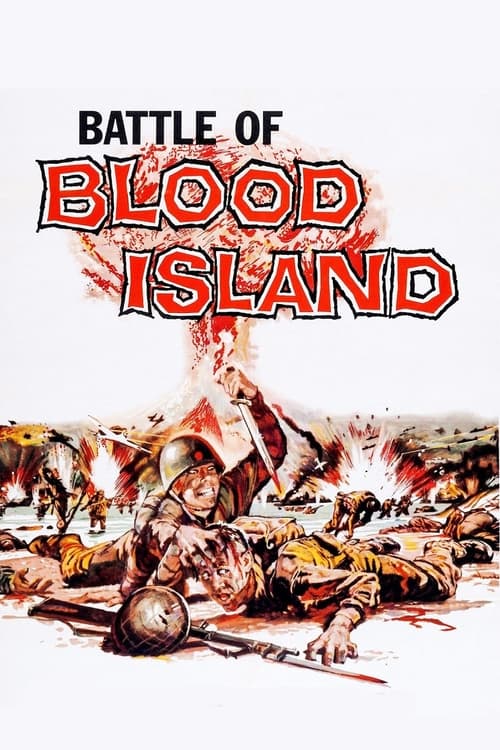
Battle of Blood Island is a typical 1960s combat drama that sticks closely to the genre conventions of its time. The narrative is centered on male survival and wartime conflict, offering limited social complexity. The film relies on clear-cut binaries, presenting a straightforward struggle between American soldiers and Japanese forces. This approach prioritizes functional wartime clichés over nuanced character development or diverse perspectives. Overall, the work reflects the social constraints of its era, emphasizing traditional masculine archetypes and geopolitical conflict over any disruption of established social hierarchies.
Category Breakdown
The film centers on the survival dynamics between two male American GIs. It does not depict same-sex intimacy or explore non-cisgender identities.
The narrative focuses on male combat and survival. It lacks meaningful roles for women and reinforces traditional masculine stereotypes through the interactions of its male characters.
The story portrays a conflict between American GIs and Japanese troops using a simple 'us vs. them' dichotomy. It does not provide complex racial identities or multi-layered depth.
The film adheres to mid-century Western military values, emphasizing individual survival through a traditionalist lens of duty. It lacks any critical examination of Western institutions.
The film does not include any visible or invisible disabilities as central to the character arcs or the plot progression.
Present on Screen
Limited or Absent
Official Synopsis
Two American GIs are the only survivors of a unit wiped out in a battle with Japanese troops on an isolated island. The two, who don't like each other, find try to put aside their differences in order to evade the Japanese and survive.
1953
1959

1950
1956
1966

1962
1963
1968
No reviews yet. Be the first to share your thoughts on this movie!
Use the rating form above to leave a star rating and optional review.