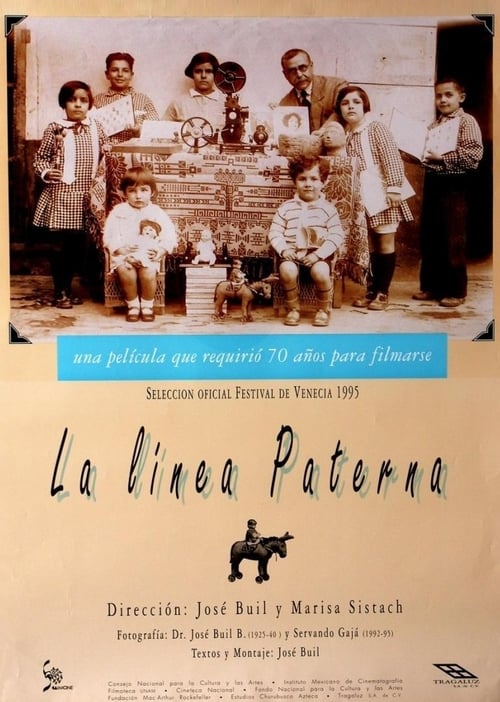
La línea paterna
1995
No user ratings available yet
Representation score: 3.3 out of 10
Representation Score
Good
1998
Director
Naomi Uman
Runtime
30 minutes
Average Rating
No ratings yetNew Showbiz Analysis
Leche is a tactile ethnographic documentary that aligns its technical methodology with its thematic focus. By hand-processing film in buckets, the medium mirrors the manual labor and organic rhythms of the rural Mexican family it depicts. The film successfully disrupts Western cinematic hierarchies. It rejects standardized industrial processes to provide a platform for rural voices, allowing subjects to dictate their own visual texture. While the film excels in cultural and racial representation, it remains centered on traditional kinship structures. It lacks explicit engagement with LGBTQ+ identities or disability representation.
Category Breakdown
The film focuses on a traditional rural family unit. There is no explicit depiction of LGBTQ+ identities within the narrative.
The documentary centers on domestic labor and the private sphere. This approach elevates the role of women within the household and local economy.
The film centers a Mexican family and their specific cultural landscape. Its hand-processed technique avoids a polished, touristic gaze in favor of localized ability to act.
The narrative prioritizes the lived reality of a non-Western community. The organic production method honors the subject's environment over industrial cinematic standards.
There is no specific information regarding the portrayal of physical or neurodivergent disabilities in this work.
Present on Screen
Limited or Absent
Official Synopsis
Examines details of the lives of a rural Mexican family. The film was hand-processed in buckets to dry on the clothesline.
1995
2000
2011
2013
2009
1963

1971
2017
No reviews yet. Be the first to share your thoughts on this movie!
Use the rating form above to leave a star rating and optional review.