Leche
1998
No user ratings available yet
Representation score: 6.5 out of 10
Representation Score
Limited
1995
Director
Maryse Sistach, José Buil
Runtime
85 minutes
Average Rating
No ratings yetNew Showbiz Analysis
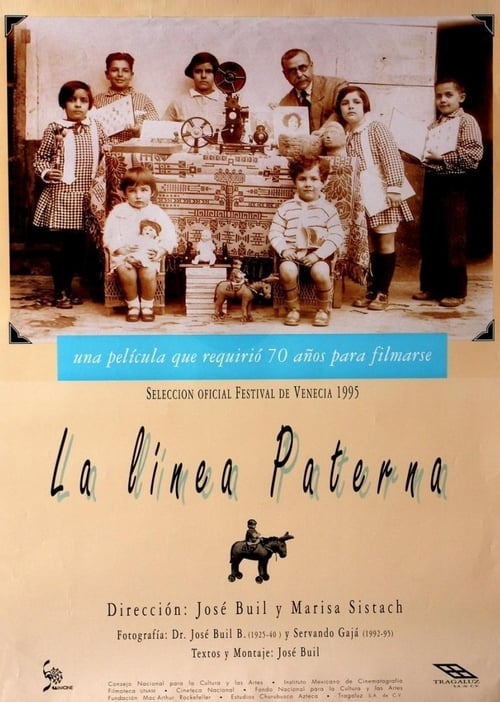
La línea paterna is a crucial ethnographic document that centers Mexican familial history through archival footage. Using 9.5 mm Pathé Baby cameras, the film recreates domestic life from the 1920s to the 1950s, offering a unique glimpse into a specific cultural lineage. The film’s main strength lies in its ethnic visibility and its ability to challenge mainstream, Western-centric perspectives. It provides an authentic look at Mexican heritage and social customs during a transformative era, emphasizing historical reality over polished commercial formulas. However, the work is limited by the historical period it depicts. It does not challenge traditional gender roles or include LGBTQ+ narratives, primarily due to documenting a traditional family structure from a time of strict social norms.
Category Breakdown
The film does not show any LGBTQ+ characters or stories that go beyond assuming everyone is straight.
The documentary highlights traditional gender roles where women have limited control over their lives. It focuses on women's experiences within the home but follows conventional gender roles.
The film provides significant visibility to Mexican domestic life and cultural traditions. It challenges Western-centric views by focusing on a non-Anglo-Saxon family.
This work preserves cultural memories and focuses on local Mexican perspectives rather than general Western narratives. It offers insights into social customs and traditions.
There is no indication of characters with visible or invisible disabilities in the footage.
Present on Screen
Limited or Absent
Official Synopsis
Family movies, shot with a 9.5 mm Pathé Baby camera, let us know traditions, customs, joys and sorrows of a Mexican family from the 1920s to the 1950s.
1998

2010
1988

2017

1928

2016
1929

2007
No reviews yet. Be the first to share your thoughts on this movie!
Use the rating form above to leave a star rating and optional review.