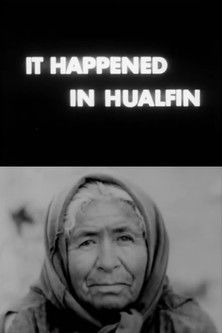
It Happened in Hualfin
1965
No user ratings available yet
Representation score: 4.9 out of 10

Representation Score
Good
1971
Director
Gerardo Vallejo
Runtime
72 minutes
Average Rating
No ratings yetNew Showbiz Analysis
Gerardo Vallejo’s documentary uses a realist approach to explore the lives of underrepresented communities in rural Argentina. By focusing on a poor rural family, the film gives significant weight to characters often overlooked in mainstream national discussions. The film excels in its focus on class-based struggles and the disruption of urban-centric narratives. It prioritizes the visibility of underrepresented ethnic and economic identities. However, the film’s emphasis on traditional rural structures leads to a lack of visible LGBTQ+ representation. The portrayal of gender roles centers on traditional domestic and agricultural labor patterns.
Category Breakdown
The film does not include explicit LGBTQ+ characters or narratives that challenge traditional relationships. It focuses on the traditional structure of a rural family unit.
Women play key roles in the domestic and agricultural life of the community. However, it is unclear whether the film challenges or upholds traditional gender hierarchies.
The film breaks away from Eurocentric views by highlighting rural, non-urban populations. It emphasizes the visibility of indigenous or mestizo cultures and working-class realities.
The documentary critiques systemic inequalities and capitalist structures. It highlights the neglect of rural populations by centralized, Western-aligned institutions.
There is no documented portrayal of physical or neurodivergent disabilities in this work.
Present on Screen
Limited or Absent
Official Synopsis
Documentary with staged events about a poor rural family in Argentina.
1965
1963
1964
2001
1979
1995
2010
1998
No reviews yet. Be the first to share your thoughts on this movie!
Use the rating form above to leave a star rating and optional review.