Drought
2013
No user ratings available yet
Representation score: 6.1 out of 10
Representation Score
Excellent
2009
Director
Anaïs Huerta, Raúl Cuesta
Runtime
67 minutes
Average Rating
No ratings yetNew Showbiz Analysis
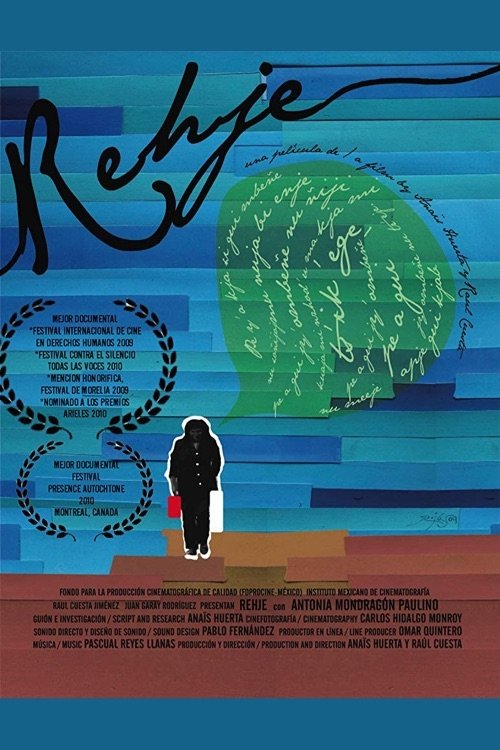
Rehje is a socio-political documentary that centers on the perspectives of indigenous Mazahua people through the lens of displacement and environmental crisis. It avoids traditional cinematic clichés by focusing on observational truth and the material realities of rural survival. The film excels in linking personal identity to systemic issues like water scarcity. By placing an indigenous woman at the center of the story, it challenges standard narrative hierarchies. While the film provides strong ethnic and cultural depth, it lacks specific information regarding LGBTQ+ or disability representation, leaving those categories neutral.
Category Breakdown
The film does not include any explicit references to LGBTQ+ characters or themes. Representation in this area is neutral.
Antonia is a central female character who drives the story through her desire to reclaim her heritage. She navigates urban and indigenous survival, challenging traditional patriarchal roles.
The film focuses on the Mazahua people, offering deep representation of an indigenous Mexican group. It explores the specific systemic challenges faced by these non-Westernized populations.
The narrative critiques the mismanagement of resources and the impact of modernization on traditional life. It highlights how water scarcity threatens the collective survival of a underrepresented community.
There is no documented evidence regarding the portrayal of physical or neurodivergent disabilities. This category remains neutral.
Present on Screen
Limited or Absent
Official Synopsis
After forty years living in Mexico City, Antonia longs to go back to her home town, a Mazahua village in the state of Mexico. When she returns, she discovers many things, including that a scarcity of water threatens life in her community.
2013
2016

2004
2012
2020
1998
1976
2004
No reviews yet. Be the first to share your thoughts on this movie!
Use the rating form above to leave a star rating and optional review.