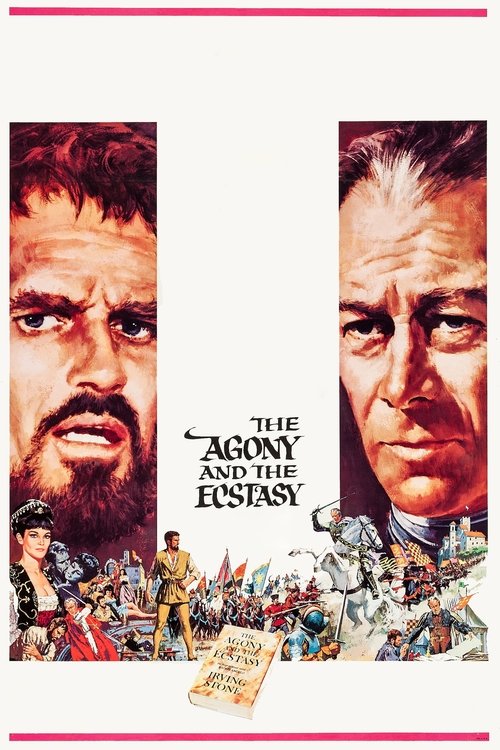
Becket
1964
No user ratings available yet
Representation score: 0.6 out of 10
Representation Score
Minimal
1965
ApprovedDirector
Carol Reed
Runtime
138 minutes
Average Rating
No ratings yetNew Showbiz Analysis
This period biopic prioritizes historical accuracy and the psychological tensions of the Renaissance over contemporary characters who reflect more than one aspect of diversity. It primarily examines the individual's struggle against systemic religious authority. Despite its lack of demographic diversity, the film offers a sophisticated cultural critique. It avoids idealizing the Papacy, presenting it as a complex and often corrupt institution. However, the historical setting and male-dominated subject matter limit its overall diversity score.
Category Breakdown
The film follows the traditional gender roles and relationships of the Renaissance era. It does not include any representations of non-binary genders or same-sex relationships.
The story emphasizes male hierarchies and power dynamics between the artist and the Papacy. Female characters play minor roles and have little influence on the plot.
The casting is uniform, reflecting the demographics of Renaissance Italy. The film focuses solely on a Western European historical context without including diverse ethnic backgrounds.
The film provides a critical look at the Church as a politically driven institution. It highlights the conflict between personal artistic truth and the absolute authority of religion.
The film does not depict any significant instances of physical or mental disabilities. It focuses on the psychological struggles of the creative process rather than disability.
Present on Screen
Limited or Absent
Official Synopsis
During the Italian Renaissance, Pope Julius II contracts the influential artist Michelangelo to sculpt 40 statues for his tomb. When the pope changes his mind and asks the sculptor to paint a mural in the Sistine Chapel, Michelangelo doubts his painting skills and abandons the project. Divine inspiration returns Michelangelo to the mural, but his artistic vision clashes with the pope's demanding personality and threatens the success of the historic painting.
1964
1986
1966
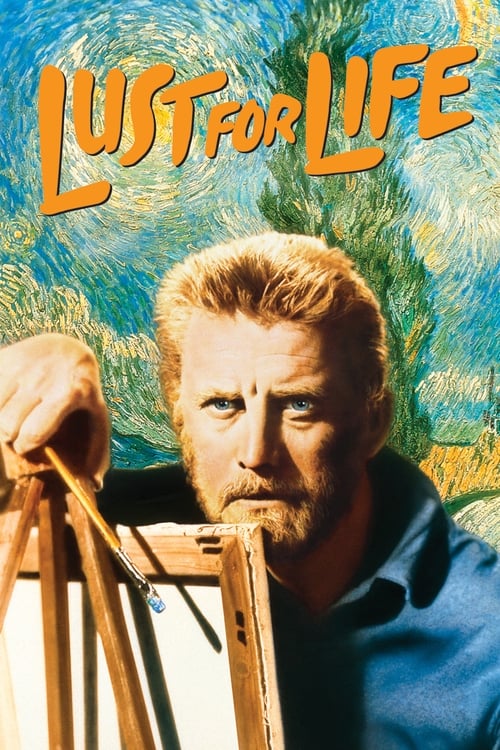
1956
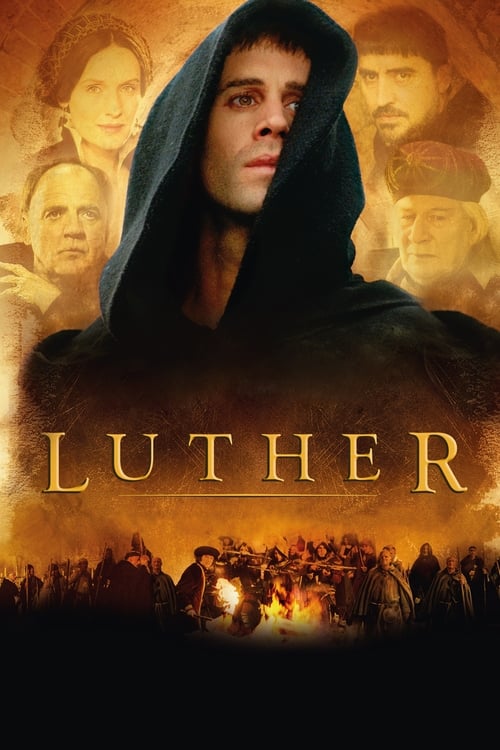
2003
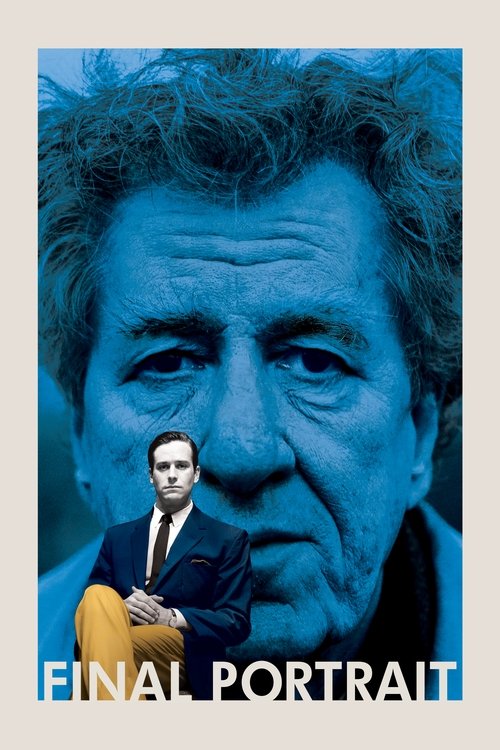
2017
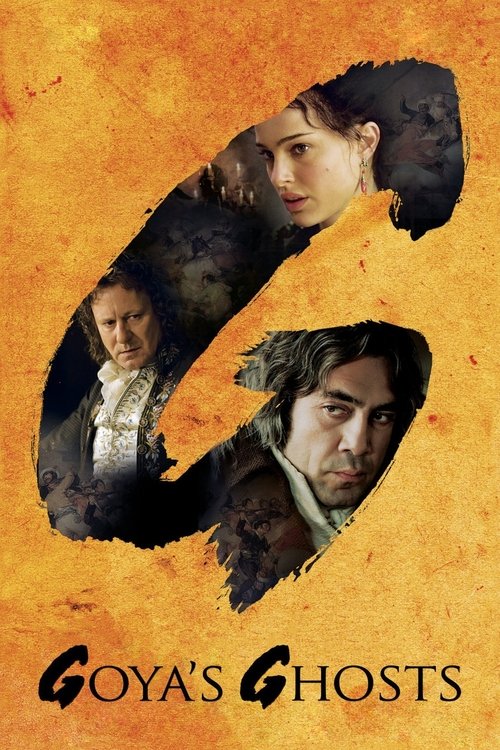
2006
1937
No reviews yet. Be the first to share your thoughts on this movie!
Use the rating form above to leave a star rating and optional review.