Wilde
1997
No user ratings available yet
Representation score: 5.4 out of 10
Representation Score
Good
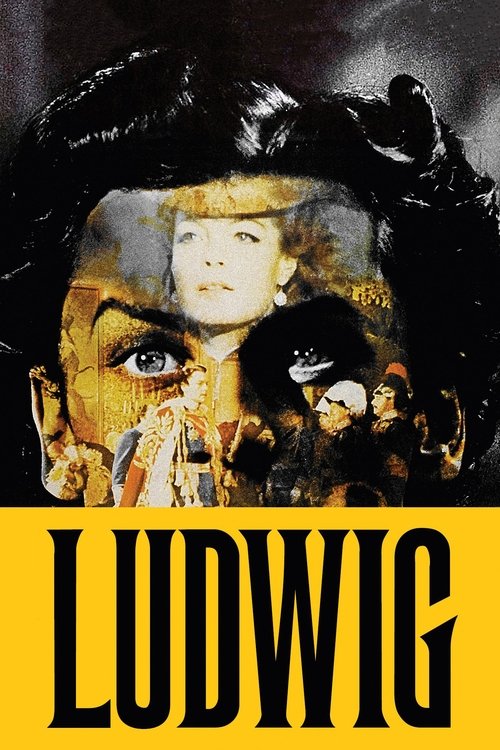
1973
RDirector
Luchino Visconti
Runtime
239 minutes
Average Rating
No ratings yetNew Showbiz Analysis
Visconti’s portrayal of King Ludwig II is a sophisticated look at an individual crushed by the machinery of the state. The film handles the protagonist's queer identity and mental instability with nuance, moving beyond simple plot devices to explore the tragedy of a life lived in opposition to societal norms. While the film is constrained by its historical setting, resulting in a lack of racial diversity and adherence to traditional gender roles, it uses these limitations to critique the very structures they represent. It frames the King's rejection of patriarchal and bureaucratic duties as a meaningful, though tragic, act of rebellion. Ultimately, the film's strength lies in its ability to elevate the 'outsider' perspective, valuing aesthetics and individuality over the pragmatic demands of 19th-century political power.
Category Breakdown
The film focuses on the protagonist's struggle with his homosexuality, which drives his sense of isolation. His inability to fit into traditional heterosexual roles is presented as a source of existential tension rather than a moral failing.
The narrative follows 19th-century gender roles but challenges them by centering on a male protagonist who rejects traditional masculinity. Women are portrayed through the social restrictions of the time.
The film features a homogeneous white cast, reflecting the specific Bavarian aristocratic setting. There are no efforts to diversify the cast or disrupt the ethnic homogeneity of the court.
The story critiques emerging Western institutions and capitalism. It portrays the King's obsession with Wagnerian art as a valid rebellion against a soulless, utilitarian social order.
Ludwig's descent into madness is shown as a complex mix of temperament and isolation. The film avoids mocking him, instead presenting his psychological fragmentation as a core part of his identity.
Present on Screen
Limited or Absent
Official Synopsis
Historical evocation of Ludwig, king of Bavaria, from his crowning in 1864 until his death in 1886, as a romantic hero. Fan of Richard Wagner, betrayed by him, in love with his cousin Elisabeth of Austria, abandoned by her, tormented by his homosexuality, he will little by little slip towards madness.
1997
1971
2012
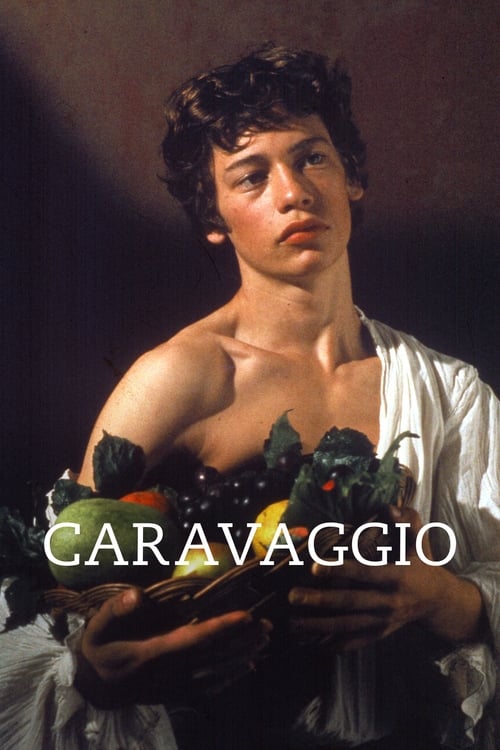
1986
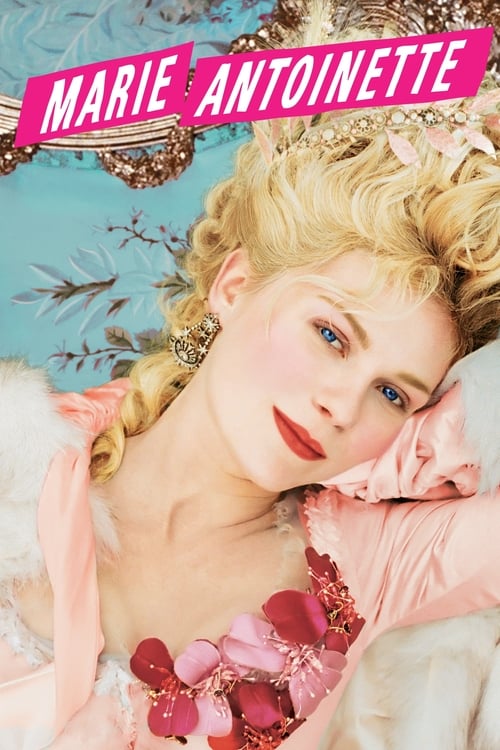
2006
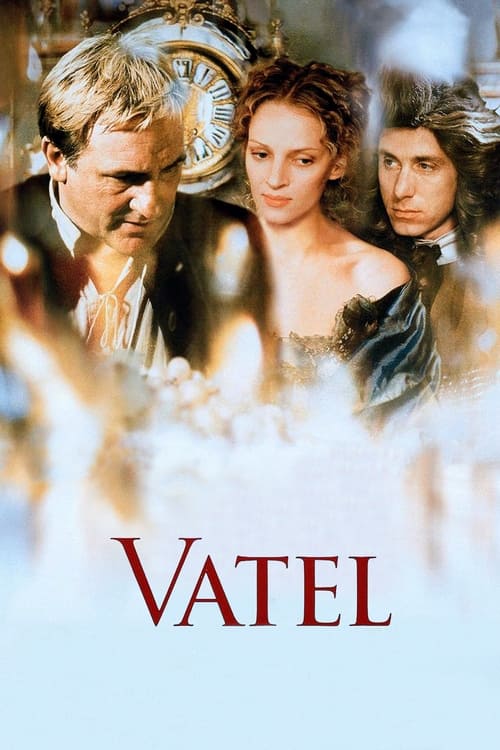
2000
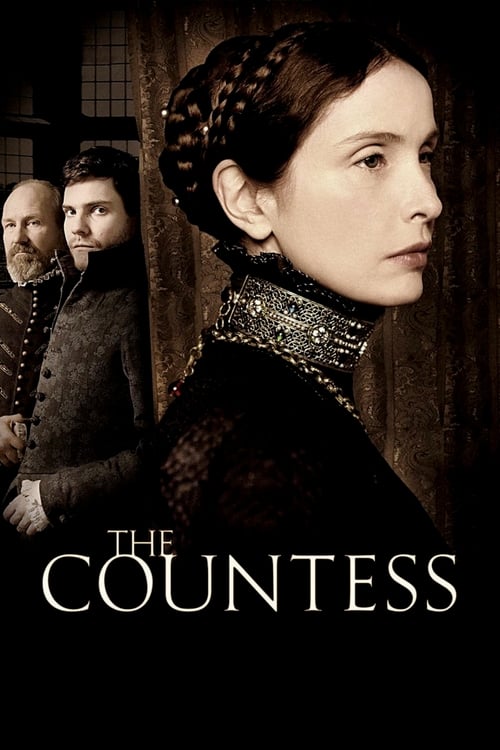
2009
1969
No reviews yet. Be the first to share your thoughts on this movie!
Use the rating form above to leave a star rating and optional review.