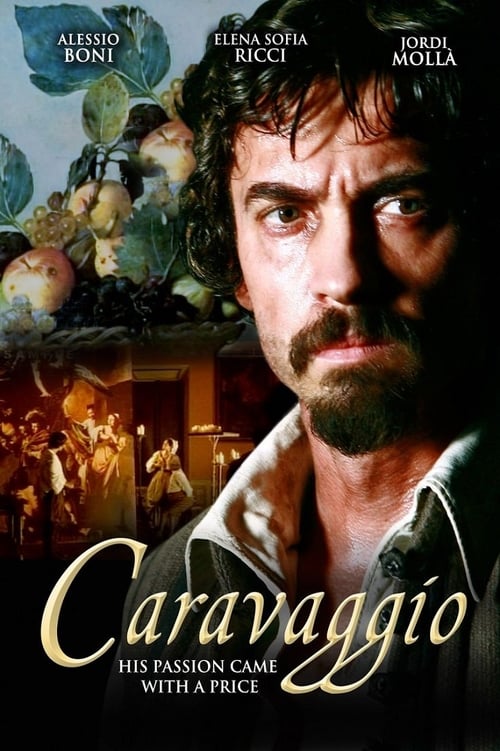
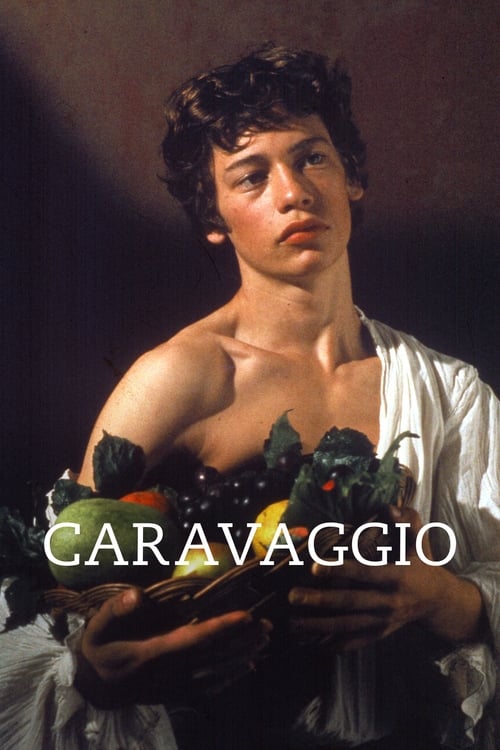
Caravaggio
2007
No user ratings available yet
Representation score: 4.7 out of 10
Representation Score
Good
1986
NRDirector
Derek Jarman
Runtime
93 minutes
Average Rating
No ratings yetNew Showbiz Analysis
Derek Jarman's direction applies a queer-focused perspective to a historical subject, effectively challenging traditional biographical narratives. The film succeeds by treating queer desire as a central human experience rather than a minor subplot. While the film challenges institutional authority and religious hypocrisy, it remains centered on a male-dominated social sphere. This limits the diversity of female representation and narrows the scope of gender roles. Overall, the work stands as a study of individual identity versus oppressive systems. It uses the gritty reality of the Roman underworld to challenge idealized, homogeneous period dramas.
Category Breakdown
The film focuses on same-sex intimacy as a key part of the protagonist's life. It portrays Caravaggio's relationships with male models as crucial to his artistic development, rather than minor side stories.
The story avoids traditional gender roles by focusing on a male-dominated bohemian society. While women have limited influence, the film challenges gendered expectations by emphasizing unstable male friendships over stable domestic life.
The film uses gritty realism to show the socioeconomic divisions of 17th-century Rome. It highlights individuals from the lower classes and uses them as examples of divine figures to challenge established art standards.
The story provides a nuanced look at religious and civil institutions. It highlights the hypocrisy of church rules by contrasting them with the artist's personal, humanistic expressions.
The film does not prominently feature disabilities as central narrative elements. The focus remains on socioeconomic struggles and psychological instability.
Present on Screen
Limited or Absent
Official Synopsis
A retelling of the life of the celebrated 17th-century Baroque painter Michelangelo Merisi da Caravaggio through his brilliant, nearly blasphemous paintings and his flirtations with the underworld.
2007
1969
2004
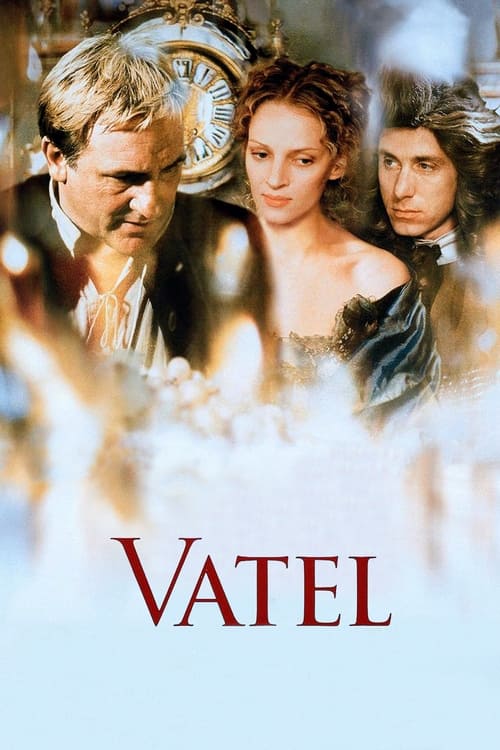
2000
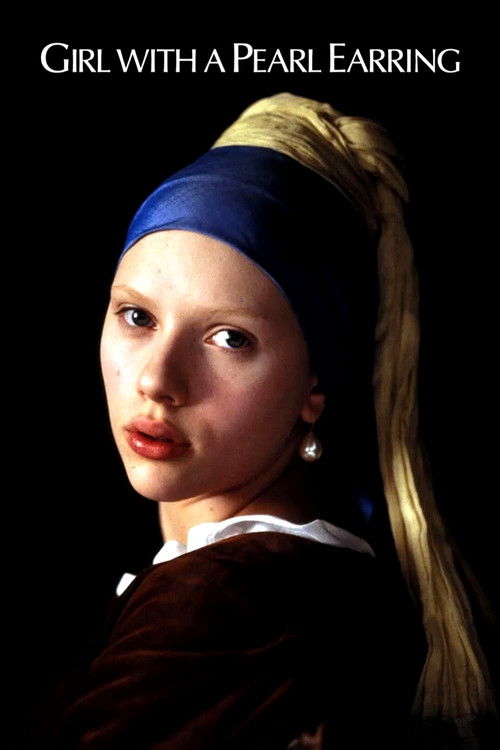
2003
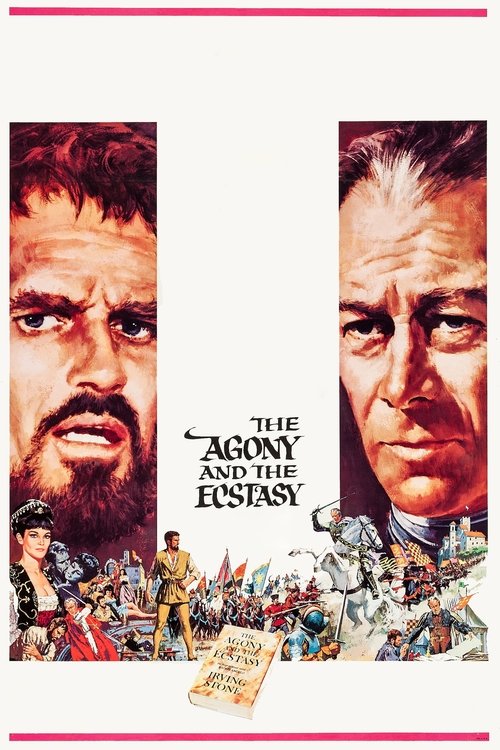
1965
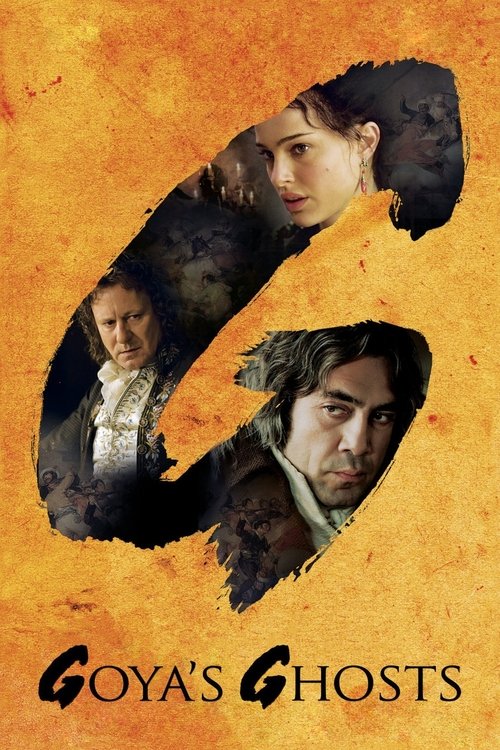
2006
1996
No reviews yet. Be the first to share your thoughts on this movie!
Use the rating form above to leave a star rating and optional review.