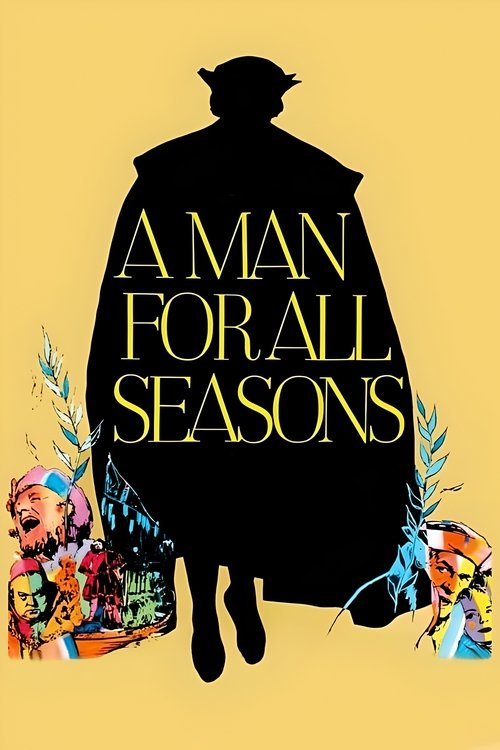
A Man for All Seasons
1966
No user ratings available yet
Representation score: 0.4 out of 10

Representation Score
Minimal
1964
PG-13Director
Peter Glenville
Runtime
148 minutes
Average Rating
No ratings yetNew Showbiz Analysis
Becket is a classical historical drama that emphasizes the preservation of period-specific hierarchies. The film centers on the clash between the Crown and the Cross, avoiding the subversion of social structures. While the film provides a sophisticated study of individual conscience versus institutional pressure, it does not engage with the overlapping aspects of identity. The narrative stays firmly rooted in the traditional social norms of the 12th century. Ultimately, the work serves as a prestige period piece that adheres to historical accuracy and patriarchal power dynamics, avoiding modern progressive restructuring.
Category Breakdown
The story follows strict conventions that assume everyone is straight or cisgender. There is no representation of queer subtext or non-assuming gender matches what was assigned at birth identities.
Women in the film have limited influence and are sidelined. The plot revolves around a power struggle between men, specifically Henry II and Becket.
The cast is entirely Anglo-European, with no racial blending or inclusion of non-white perspectives within the historical context.
The film examines the tension between temporal and spiritual authority, focusing on duty and divine mandate rather than modern moral relativism.
There is no depiction of visible or invisible disabilities. Characters are shown as physically and mentally vigorous, reflecting their social status.
Present on Screen
Limited or Absent
Official Synopsis
Thomas Becket, Henry II's longtime advisor, finds his friendship with the debauched king corroding when he is unwillingly appointed as Archbishop of Canterbury in an attempt to gain absolute loyalty from the Church.
1966

1968

2003

1969

1953
1965

2006

1937
No reviews yet. Be the first to share your thoughts on this movie!
Use the rating form above to leave a star rating and optional review.