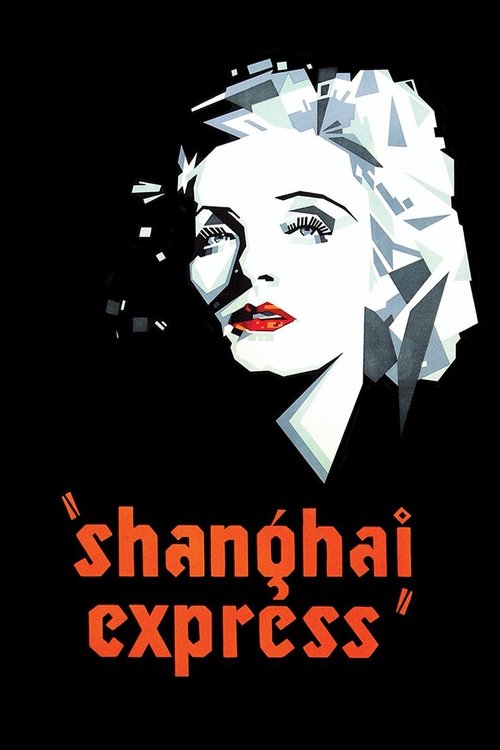
Shanghai Express
1932
No user ratings available yet
Representation score: 2.7 out of 10

Representation Score
Limited
1930
NRDirector
Josef von Sternberg
Runtime
92 minutes
Average Rating
No ratings yetNew Showbiz Analysis
Morocco is a study in early cinematic expressionism that finds its strength in character-driven narratives rather than broad social representation. While it lacks LGBTQ+ or disability representation, it offers a sophisticated look at female autonomy and institutional critique. The film's primary achievement is subverting the passive female cliché through Dietrich's complex protagonist. However, this progress is offset by a reliance on exoticism, where the North African setting serves more as a stylized backdrop than a site of authentic cultural engagement. Ultimately, the film's diversity is limited by the era's constraints, yet it remains more nuanced than many contemporary dramas due to its focus on systemic disillusionment.
Category Breakdown
The film follows traditional romantic structures typical of its time, focusing on a classic love triangle without any non-cisgender identities.
Marlene Dietrich's character challenges traditional gender roles by exercising strategic maneuvering within a patriarchal society, balancing passion and survival.
The North African setting is portrayed through a Western, stylized lens. Characters of color serve mainly as atmospheric elements rather than central plot drivers.
The film critiques the infallibility of Western legal systems, framing the protagonist's outlaw status as a necessary response to systemic errors and institutional corruption.
There are no significant depictions of visible or invisible disabilities in the film.
Present on Screen
Limited or Absent
Official Synopsis
Mogador, Morocco. Late 1920s. A complex romance develops between a womanizing Legionnaire and a disillusioned Parisian cabaret singer.
1932

1934

1923

1932

1946

1936

1935

1932
No reviews yet. Be the first to share your thoughts on this movie!
Use the rating form above to leave a star rating and optional review.