The Magnificent Ambersons
1942
No user ratings available yet
Representation score: 1.9 out of 10
Representation Score
Limited
1936
NRDirector
George Cukor
Runtime
109 minutes
Average Rating
No ratings yetNew Showbiz Analysis
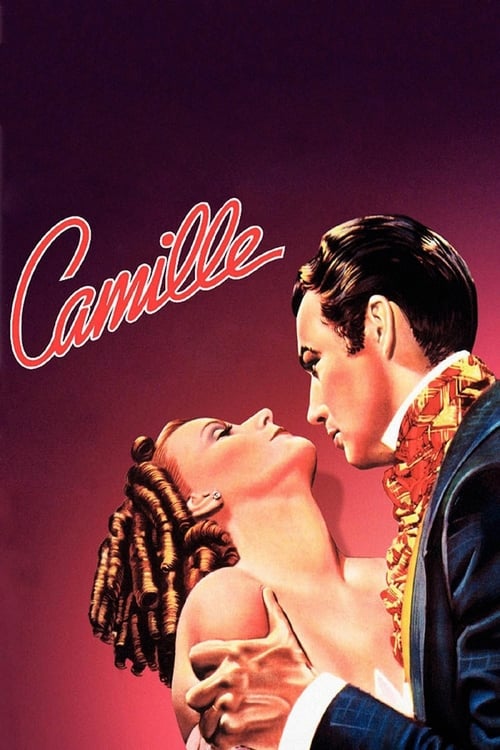
Camille is a period drama that finds its strength in character depth rather than broad demographic representation. While it lacks modern diversity, it challenges many of the era's restrictive formulas through its focus on female empowerment. The film's progressive values stem from its critique of the bourgeoisie and its empathetic portrayal of a woman navigating societal oppression. It challenges the idea of the submissive female lead by centering Marguerite's complex psychological reality. Ultimately, the film is a study of individual truth versus institutional hypocrisy. It remains a product of its historical setting, which limits its racial and LGBTQ+ representation.
Category Breakdown
The film operates within a strictly heterosexual framework. There are no depictions of non-traditional gender identities or same-sex relationships.
Marguerite Gautier plays a significant role in driving the story with her sexual and intellectual prowess. The narrative challenges patriarchal structures by emphasizing her emotional truth over rigid social expectations.
The cast and setting are predominantly white, reflecting the homogeneous social structures of 19th-century Paris. There is no significant evidence of racial diversity.
The story critiques the hypocrisy of the upper-class family unit and rigid moral codes. It portrays traditional notions of honor as corrupt and dehumanizing.
There are no prominent depictions of visible or invisible disabilities that serve as central narrative drivers.
Present on Screen
Limited or Absent
Official Synopsis
Life in 1847 Paris is as spirited as champagne and as unforgiving as the gray morning after. In gambling dens and lavish soirees, men of means exert their wills and women turned courtesans exult in pleasure. One such woman is Marguerite Gautier, who begins a sumptuous romance with Armand Duval.
1942
1938
1934
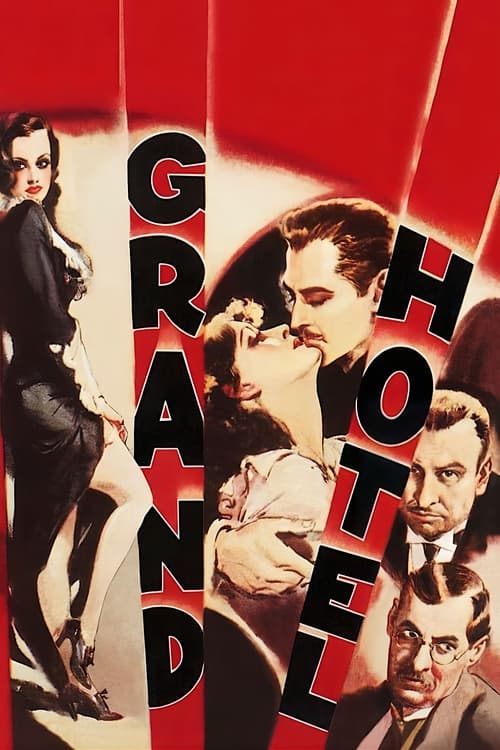
1932
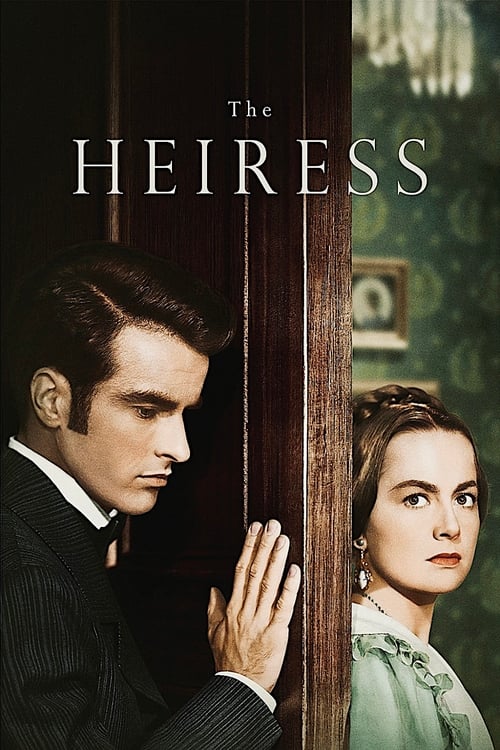
1949
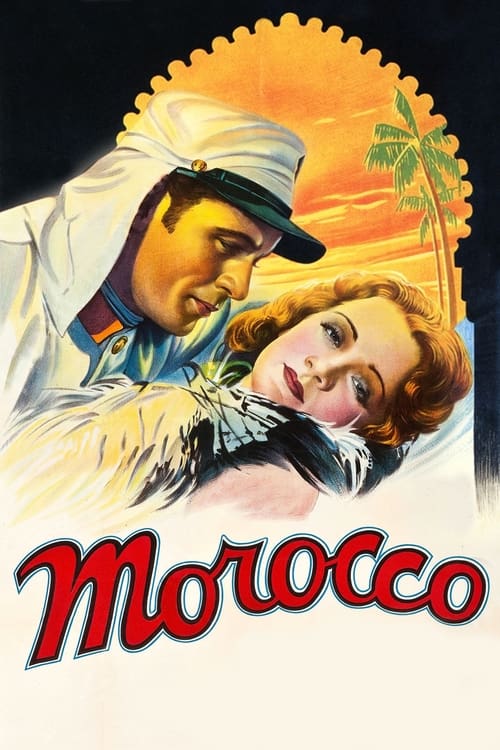
1930
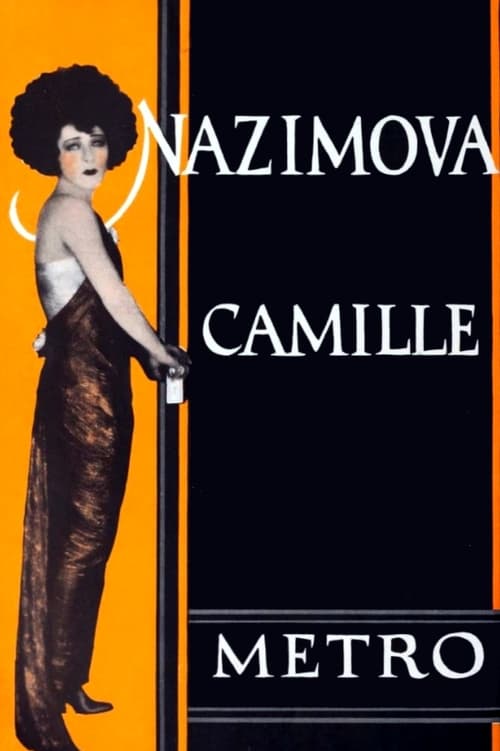
1921

1923
No reviews yet. Be the first to share your thoughts on this movie!
Use the rating form above to leave a star rating and optional review.