
Sunrise: A Song of Two Humans
1927
No user ratings available yet
Representation score: 1.2 out of 10

Representation Score
Minimal
1923
PassedDirector
Charlie Chaplin
Runtime
82 minutes
Average Rating
No ratings yetNew Showbiz Analysis
Charlie Chaplin’s early drama focuses on high-society melodrama rather than his usual comedic subversions. While the film gives the female protagonist a significant role in driving the story, it remains a product of its era's social constraints. The narrative relies on a traditional romantic triangle and a homogeneous European cast, resulting in a lack of diverse perspectives. This limits the film's ability to explore a wider range of experiences. Ultimately, the film serves as a transitional work, moving toward the social critiques Chaplin would later master, but remains limited by the period's dramatic conventions.
Category Breakdown
The film follows traditional heterosexual and cisgender norms, with no depictions of LGBTQ+ identities or relationships.
Marie St. Clair exhibits strong emotional autonomy and plays a significant role in driving the story. However, the narrative is constrained by the period's emphasis on female reputation and social standing.
The cast is composed of a homogeneous, upper-class European group, reflecting the social realities of 1923 Parisian high society.
The story offers a subtle critique of the superficiality found in the Parisian upper class, functioning primarily as a character study within a traditional Western framework.
There are no visible or invisible disabilities portrayed within the primary cast or central character arcs.
Present on Screen
Limited or Absent
Official Synopsis
When Marie St. Clair believes she has been jilted by her artist fiance Jean, she decides to leave for Paris on her own. After spending a year in the city as a mistress of the wealthy Pierre Revel, she is reunited with Jean by chance. This leaves her with the choice between a glamorous life in Paris, and the true love she left behind.
1927

1930

1948

1934
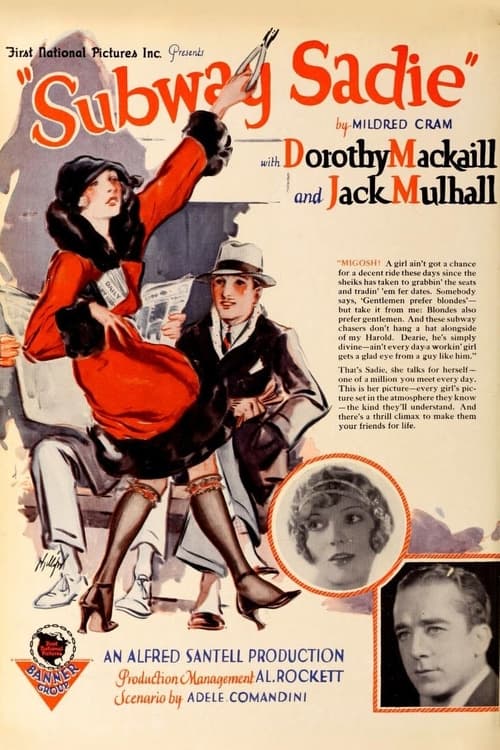
1926

1932

1922

1938
No reviews yet. Be the first to share your thoughts on this movie!
Use the rating form above to leave a star rating and optional review.