
Hiruko the Goblin
1991
No user ratings available yet
Representation score: 4.5 out of 10
Representation Score
Fair
1968
Not RatedDirector
Yoshiyuki Kuroda
Runtime
79 minutes
Average Rating
No ratings yetNew Showbiz Analysis
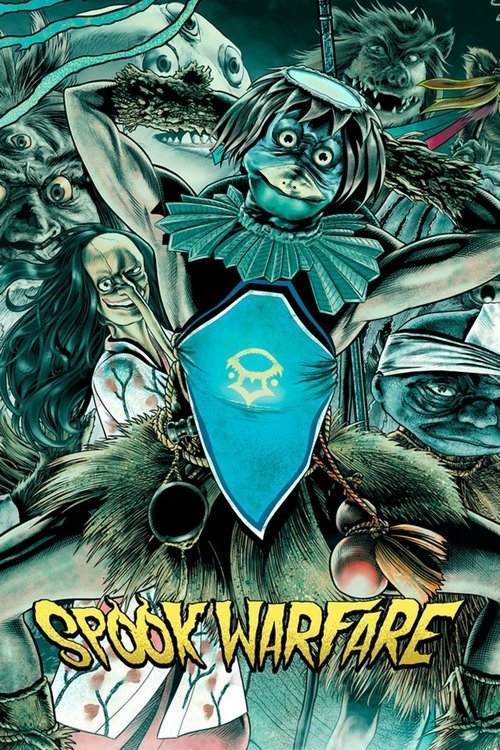
Yokai Monsters: Spook Warfare distinguishes itself by focusing on Japanese folklore and ancient mythologies, diverging from Eurocentric structures. However, it remains anchored in the traditional genre conventions of its time, lacking the layered explorations of identity and social issues found in contemporary media. The film offers a unique cross-cultural encounter but does not delve deeply into modern social critiques or ethnic identity. Instead, it centers on a clash of ancient mythologies, providing a non-Western perspective that challenges Western-centric narratives. While it introduces a fresh cultural angle, the film does not incorporate the multi-layered complexities and identity-focused ability to act prevalent in today’s media.
Category Breakdown
The film does not include explicit references to LGBTQ+ characters or identities that challenge traditional heterosexual norms.
The story adheres to typical 1960s horror themes, often emphasizing masculine struggles. Female spirits may appear, but the overall structure does not significantly challenge traditional gender roles.
The film emphasizes Japanese mythological traditions, prioritizing indigenous folklore over Western standards. It presents a significant cultural clash between local spirits and a Babylonian entity.
By placing Eastern folklore at the center, the film deviates from Western-centric storytelling traditions. It employs a non-Western spiritual framework, highlighting a clash between ancient civilizations.
There is no indication of the portrayal of physical or neurodivergent disabilities within the provided narrative overview.
Present on Screen
Limited or Absent
Official Synopsis
When a Babylonian vampire comes to old Japan, an army of Japanese demons and ghosts gather and battle him.
1991
1968
1966
1989
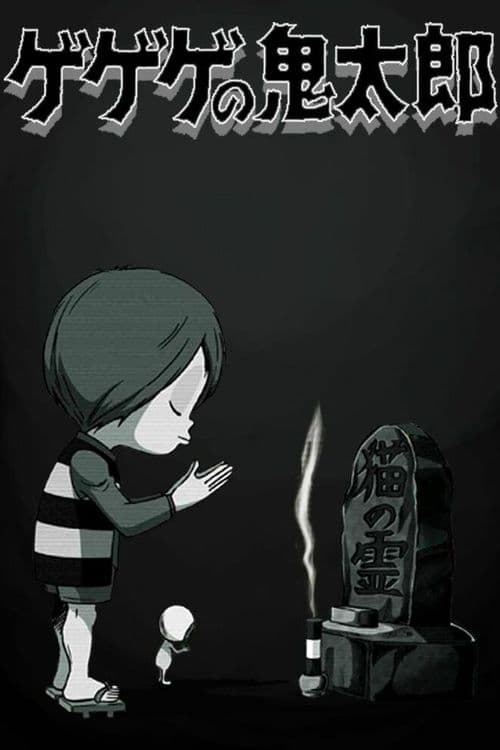
1968
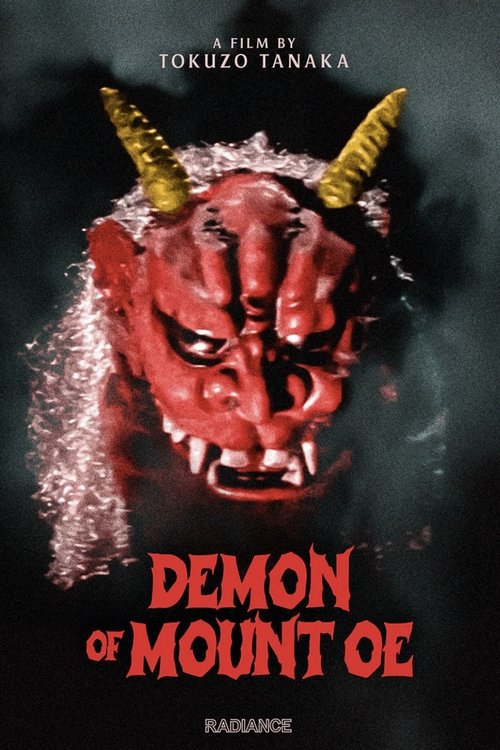
1960
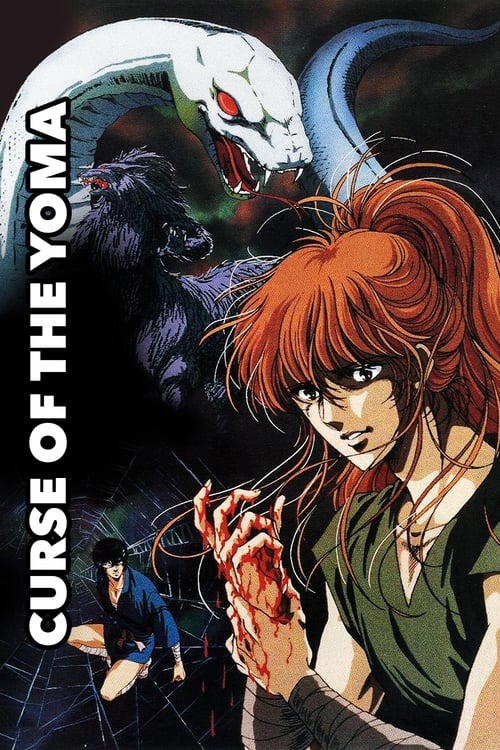
1989
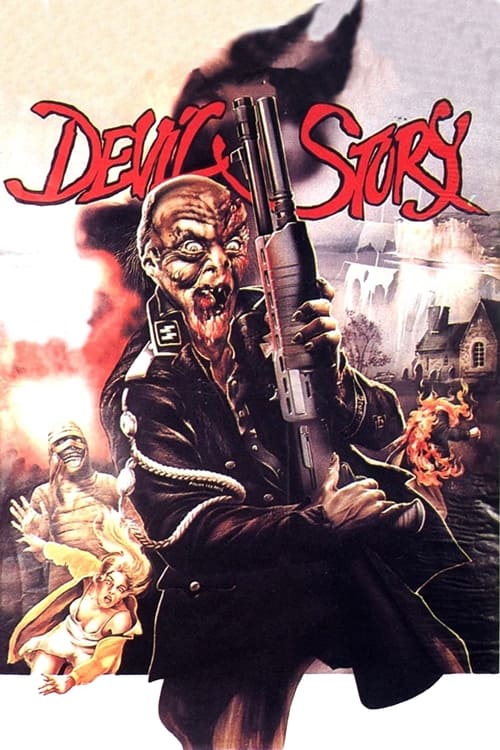
1986
No reviews yet. Be the first to share your thoughts on this movie!
Use the rating form above to leave a star rating and optional review.