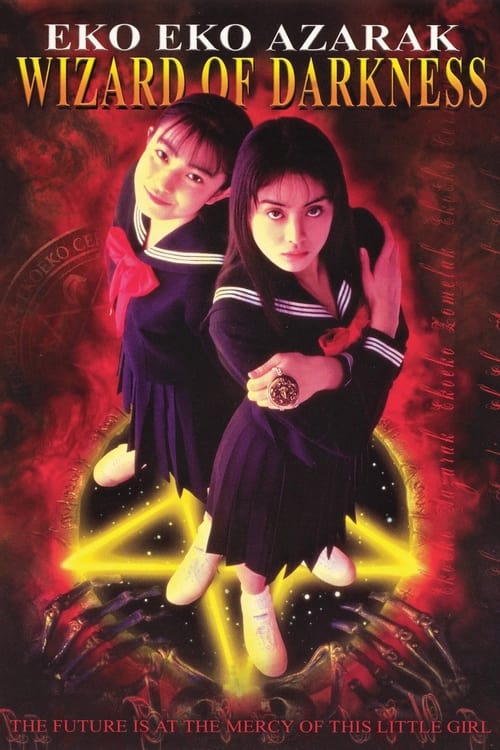
Eko Eko Azarak: Wizard of Darkness
1995
No user ratings available yet
Diversity score: 4.1 out of 10

1996
Director
Shimako Sato
Runtime
83 minutes
Average Rating
No ratings yetSynopsis
In Meiji-era Japan, a village of witches and wizards is slaughtered. Years later, an archaeologist discovers a mummy from the village, which reanimates, murders, then possesses his assistant. This evil spirit is now searching for Misa, who is protected by a survivor of the original massacre, known only as Saiga.
Overall Score
Fair
Category Breakdown
LGBTQ+ Representation
The plot focuses on supernatural possession and survival. There is no evidence of non-cisnormative identities or same-sex intimacy within the primary story arc.
Gender Representation
Misa serves as the central female protagonist. While the film disrupts patriarchal leadership through female survivors, characters often fall into traditional victim tropes.
Racial & Ethnic Diversity
Set in Meiji-era Japan, the film is culturally homogeneous. It explores indigenous mysticism rather than attempting to subvert the ethnic homogeneity of the setting.
Religious & Cultural Diversity
The film critiques institutional authority by depicting the massacre of a magical community. It prioritizes local folklore over Western-centric spiritual frameworks.
Disability Representation
Themes of possession and reanimation touch on bodily autonomy. However, these function as horror devices rather than nuanced portrayals of disability or neurodivergence.
Strengths
Areas for Improvement
AI Analysis
The film operates within the established conventions of 1990s J-Horror. It finds its strength in atmospheric dread and a critique of systemic violence against marginalized magical communities. However, the narrative lacks proactive demographic representation. Character roles often rely on genre archetypes, such as the victim or the catalyst for horror, rather than complex, intersectional identities. Ultimately, the work prioritizes historical mysticism and psychological tension over modern social diversity, making it a period-specific genre piece rather than a socially progressive one.
1995
2006

2011
2004
1989
1998
2001
1965
2011
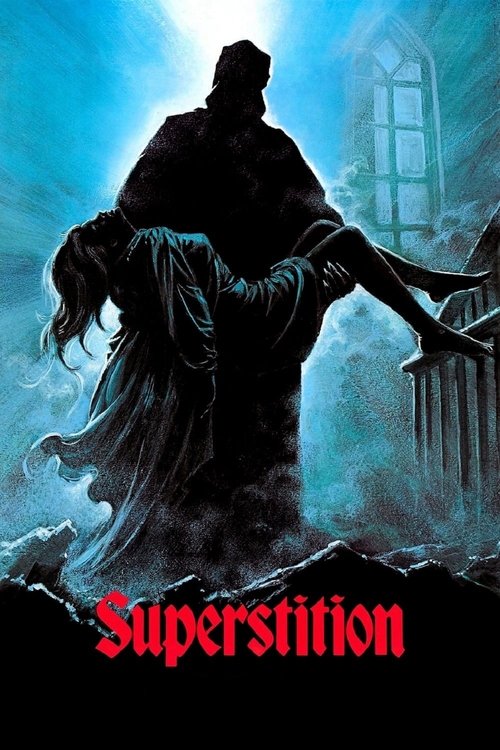
1982
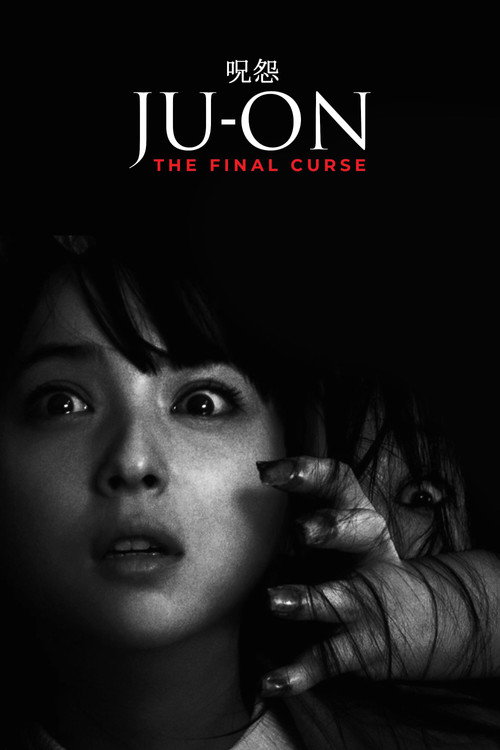
2015
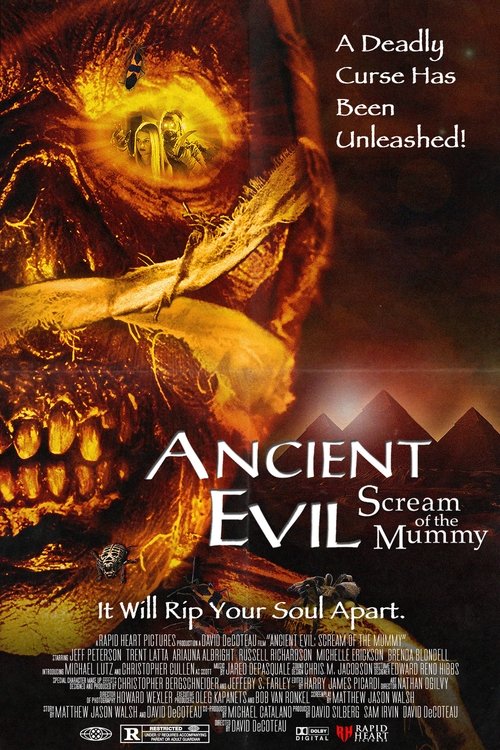
2000
No reviews yet. Be the first to share your thoughts on this movie!
Use the rating form above to leave a star rating and optional review.