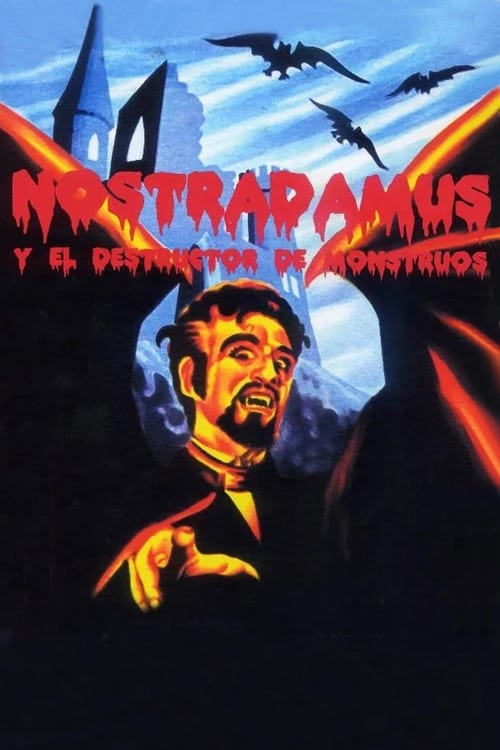
Nostradamus and the Destroyer of Monsters
1962
No user ratings available yet
Diversity score: 2.8 out of 10
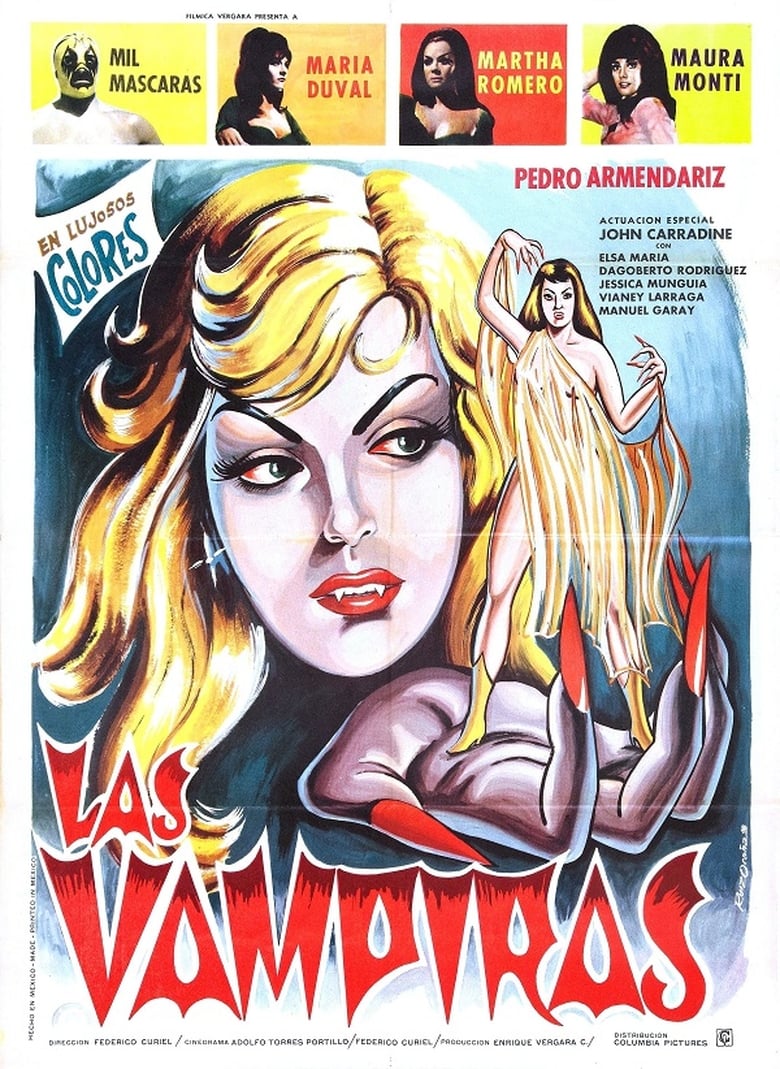
1969
Director
Federico Curiel
Runtime
91 minutes
Average Rating
No ratings yetSynopsis
A wrestler tries to break up a covey of vampires, led by the King of Vampires.
Overall Score
Fair
Category Breakdown
LGBTQ+ Representation
The film lacks explicit evidence of non-cisnormative identities or same-sex intimacy. While the horror genre often utilizes camp aesthetics, no queer subtext is documented here.
Gender Representation
The narrative follows a traditional model with a male wrestler acting as the primary agent. The female-coded vampires serve largely as threats to be neutralized.
Racial & Ethnic Diversity
As a Mexican production, the film offers a non-Western perspective. However, specific details regarding the racial makeup of the cast or character agency are unavailable.
Religious & Cultural Diversity
The story utilizes standard hero-versus-monster dynamics within the horror genre. There is no clear evidence of systemic critique or anti-institutional themes.
Disability Representation
There is no information available regarding the depiction of physical or neurodivergent disabilities in this film.
Strengths
Areas for Improvement
AI Analysis
The Vampire Girls functions as a conventional genre piece from the era of Mexican exploitation cinema. The plot relies on a standard hero-versus-monster dynamic, centering on a male protagonist driving the action against supernatural antagonists. While the film's Mexican origin provides a non-Western perspective, the narrative lacks documented evidence of intersectional agency. The character roles appear to follow traditional tropes rather than subverting established social or gender hierarchies. Ultimately, the film lacks the specific character depth or systemic critique necessary to move beyond a baseline genre experience.
1962
1960
1957
1958
1962

2018
1973
1991
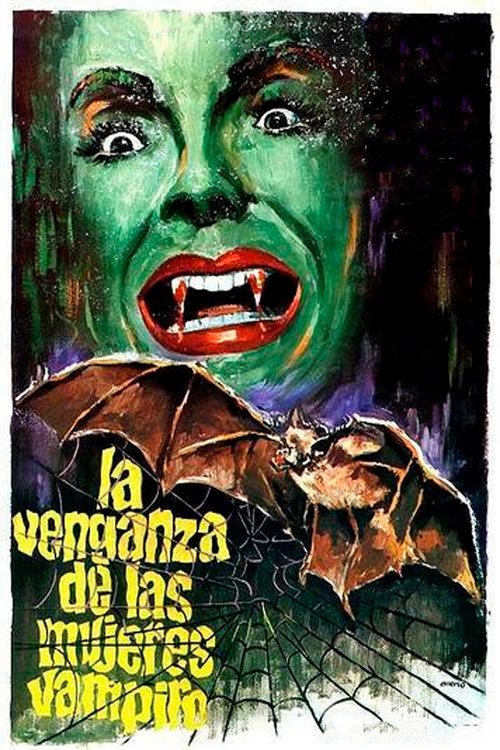
1970
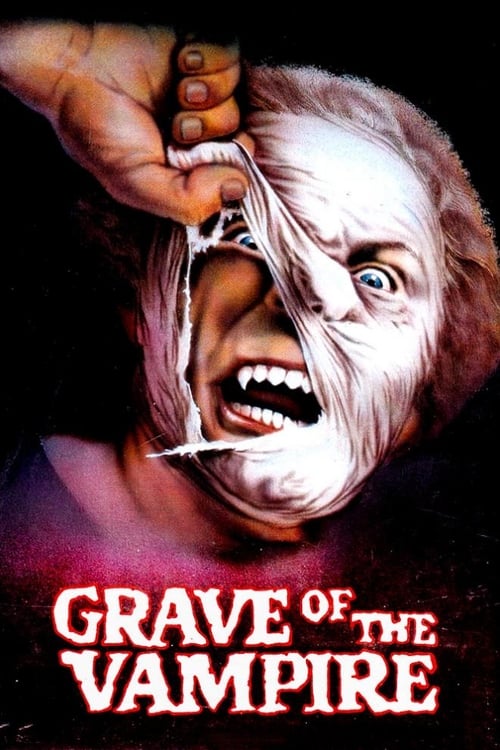
1972
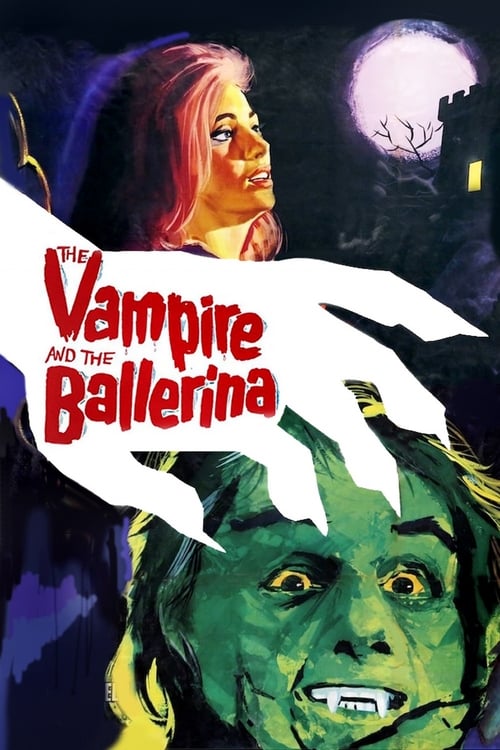
1960
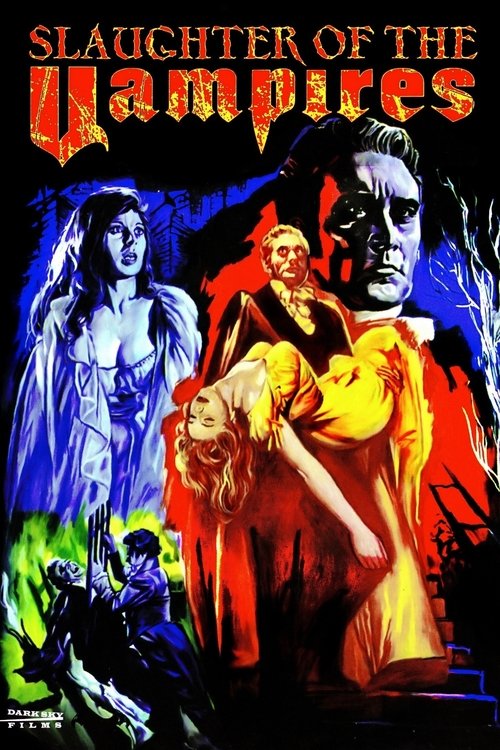
1962
No reviews yet. Be the first to share your thoughts on this movie!
Use the rating form above to leave a star rating and optional review.