The Power
1984
No user ratings available yet
Representation score: 2.2 out of 10
Representation Score
Minimal
1977
Director
James T. Flocker
Runtime
92 minutes
Average Rating
No ratings yetNew Showbiz Analysis
Ghosts That Still Walk follows the standard horror conventions of the 1970s, using a supernatural possession cliché. While the film introduces Indigenous spiritual motifs, it lacks the complexity or characters who reflect more than one aspect of diversity needed for a more progressive rating. The narrative focuses on a young boy's descent into terror, without evidence of systemic critique or diverse character development. The film primarily serves as a genre piece rather than a tool for cultural exploration.
Category Breakdown
The film does not include any LGBTQ narratives or characters. The story revolves around a traditional possession plot.
The story focuses on a young boy, suggesting a traditional character arc. There is little indication of female presence or challenging gender hierarchies.
The inclusion of an Indigenous medicine man introduces non-Western spiritual elements. However, the portrayal may rely on established 1970s horror clichés rather than nuanced cultural depth.
The film incorporates non-Western spirituality to drive its horror elements. It challenges secular norms through possession but stays within conventional genre boundaries.
There is no information regarding the depiction of neurodivergence, mental health, or physical disabilities within the film.
Present on Screen
Limited or Absent
Official Synopsis
A young boy is possessed by the spirit of an Indian medicine man and begins to terrorize the local population.
1984
1977
1982
1964
1984
1961
1978
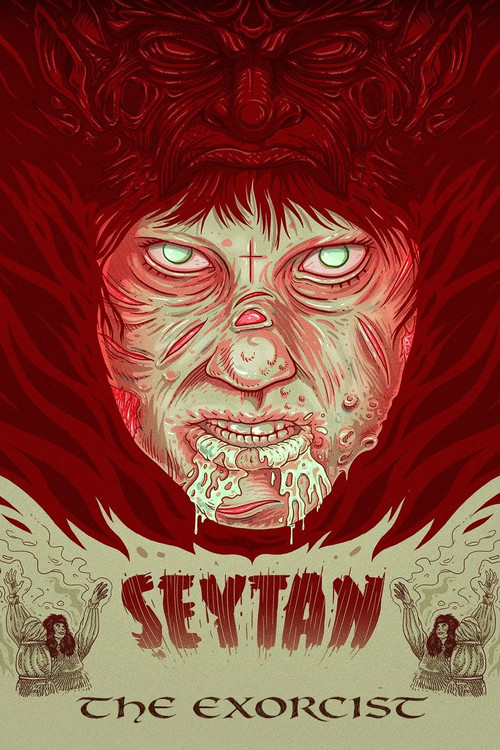
1974
No reviews yet. Be the first to share your thoughts on this movie!
Use the rating form above to leave a star rating and optional review.