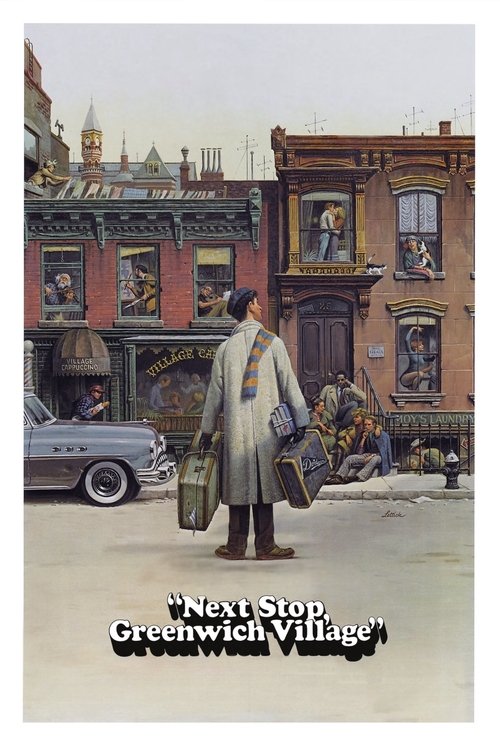
Next Stop, Greenwich Village
1976
No user ratings available yet
Representation score: 8.2 out of 10
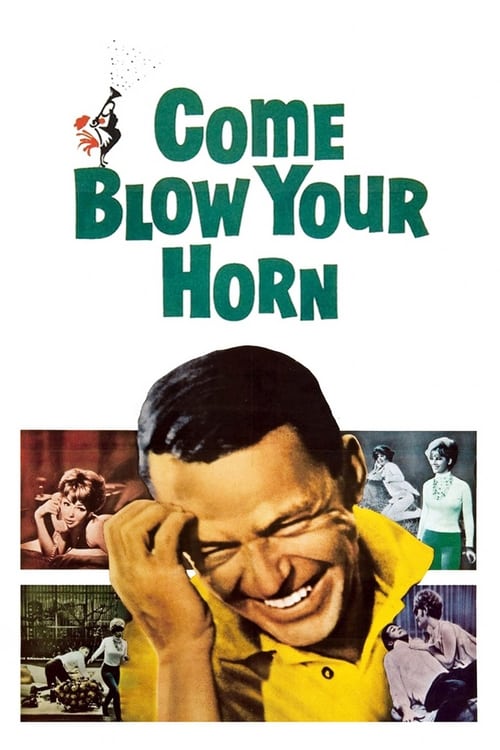
Representation Score
Limited
1963
ApprovedDirector
Bud Yorkin
Runtime
112 minutes
Average Rating
No ratings yetNew Showbiz Analysis
Come Blow Your Horn functions primarily as a generational comedy centered on the friction between established parental authority and an emerging individualist spirit. While it offers a moderate critique of traditional domestic rigidity, it lacks the complexity required for a higher score. The film maintains the social and demographic status quo of the early 20th century, prioritizing period aesthetics and comedic timing over the inclusion of diverse identities.
Category Breakdown
The film adheres to the social constraints of its 1963 release and 1920s setting. Romantic arcs follow conventional structures with no evidence of diverse gender identities.
Female characters have significant screen presence but largely function within romantic frameworks established by men. The film explores tension between traditional domesticity and burgeoning independence.
Set in 1920s New York, the film reflects the era's demographic homogeneity. The cast centers on Anglo-Saxon social circles and lacks significant depth in representing different backgrounds.
The narrative critiques rigid household structures by favoring a more relaxed, individualistic lifestyle. However, it remains rooted in Western social norms without a broader critique.
There are no prominent depictions of visible or invisible disabilities within the primary character arcs.
Present on Screen
Limited or Absent
Official Synopsis
The story of a young man's decision to leave the home of his parents for the bachelor pad of his older brother who leads a swinging '60s lifestyle.
1976

1963
1965
1971
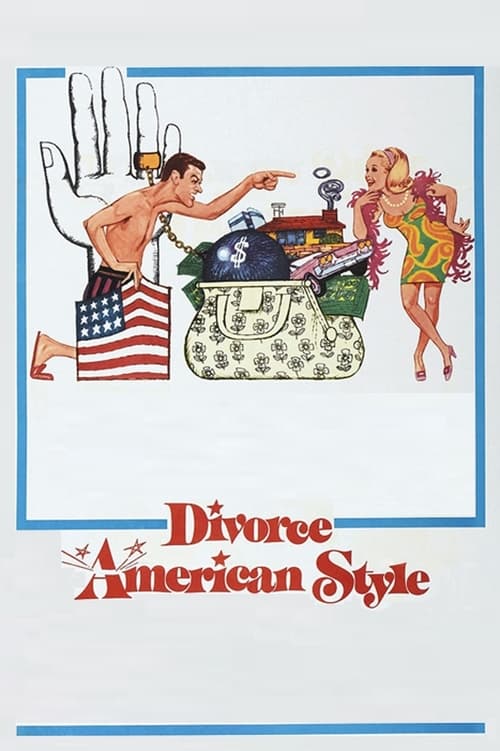
1967
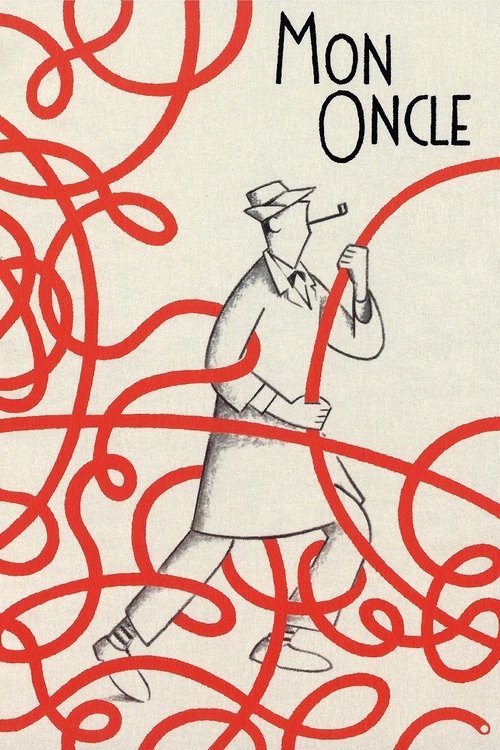
1958
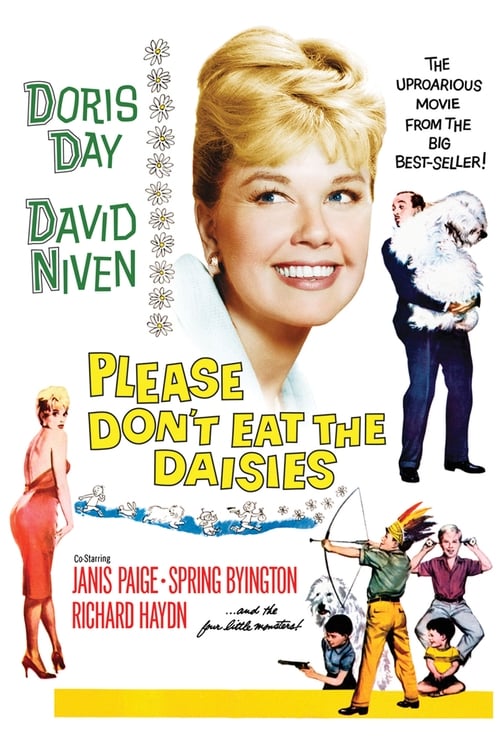
1960
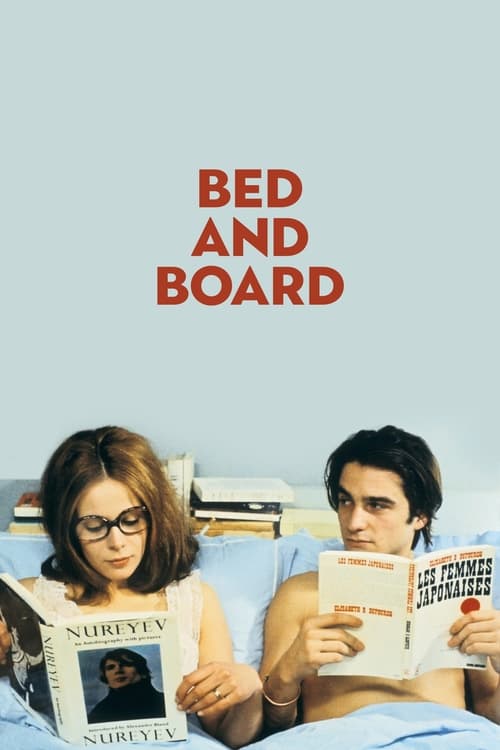
1970
No reviews yet. Be the first to share your thoughts on this movie!
Use the rating form above to leave a star rating and optional review.