
Tanguy, le retour
2019
No user ratings available yet
Representation score: 2.9 out of 10
Representation Score
Minimal
2001
Director
Étienne Chatiliez
Runtime
108 minutes
Average Rating
No ratings yetNew Showbiz Analysis
Tanguy operates as a localized social satire centered on domestic friction. Its primary strength lies in its subtle challenge to traditional gender roles, particularly by displacing paternal authority in favor of a maternal emotional driver. However, the film remains narrow in its social scope. By focusing on a homogeneous, white, middle-class French household, it avoids engagement with broader systemic identity issues or perspectives that reflect multiple aspects of identity. The lack of representation for LGBTQ+ individuals, diverse ethnic groups, and people with disabilities results in a narrative that feels culturally insulated.
Category Breakdown
The film focuses solely on a family where everyone is assumed to be straight and cisgender. It does not depict any non-cisgender identities or same-sex relationships.
The story challenges traditional gender roles by emphasizing the mother's emotional power. The father's role is secondary and often frustrated.
The setting is a homogeneous, white, middle-class French environment. It does not include diverse ethnic backgrounds to broaden its scope.
The story criticizes traditional parental authority and domestic life. It portrays the family structure as a site of dysfunction rather than a stable foundation.
There are no characters defined by physical or neurodivergent impairments. No disabilities are shown with significant influence in the film.
Present on Screen
Limited or Absent
Official Synopsis
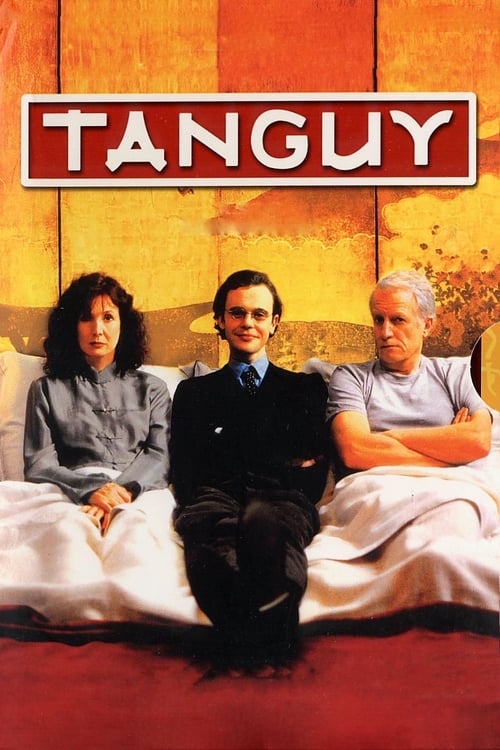
Tanguy is 28 years old and still living with his parents. They think it's time he moves out. He doesn't, so they hatch a plan.
2019

2006

2017

1985
2016

2017

2009

2021
No reviews yet. Be the first to share your thoughts on this movie!
Use the rating form above to leave a star rating and optional review.