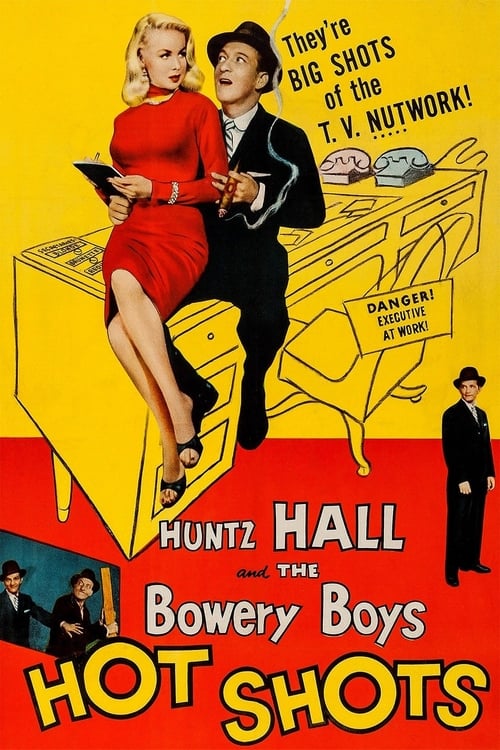
Hot Shots
1956
No user ratings available yet
Diversity score: 1.7 out of 10

1968
NRDirector
Jerry Paris
Runtime
99 minutes
Average Rating
No ratings yetSynopsis
All-American couple who try to bridge the generation gap with their free-spirited son on a trip, frisky business and misunderstandings galore ensue, all funny, vibrant and charming.
Overall Score
Limited
Category Breakdown
LGBTQ+ Representation
The film adheres to strict heteronormative standards typical of the late 1960s. There is no evidence of same-sex intimacy or non-cisnormative gender identities.
Gender Representation
While Mary Tyler Moore occupies a central role, the story relies on mid-century romantic comedy tropes. The narrative reinforces traditional courtship and established gendered social interactions.
Racial & Ethnic Diversity
The production features a predominantly white cast, reflecting the industry constraints of its era. The focus remains on a homogeneous social stratum with little racial blending.
Religious & Cultural Diversity
The story emphasizes Western values, specifically the stability of the nuclear family. It seeks to reconcile youth culture with parental authority rather than critiquing social institutions.
Disability Representation
There are no visible or invisible disabilities portrayed with agency. Characters with disabilities do not appear to be used as plot devices.
Strengths
Areas for Improvement
AI Analysis
How Sweet It Is! functions as a traditional studio comedy that prioritizes mid-century social stability. The film centers on the 'All-American' family unit, which reinforces conventional hierarchies rather than challenging them. The narrative focuses on bridging the generation gap through a lens of traditional courtship and middle-class values. This approach maintains a homogeneous social environment that lacks intentionality regarding intersectional storytelling. Ultimately, the film is a product of its temporal context, opting for harmony within established social structures rather than narrative subversion.
1956
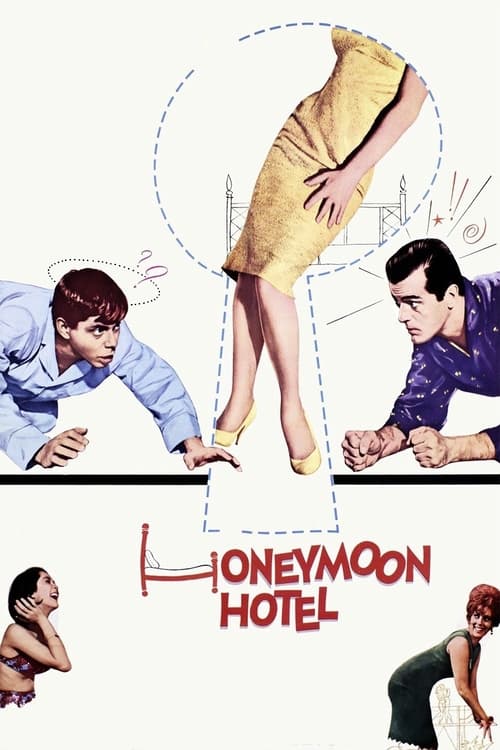
1964
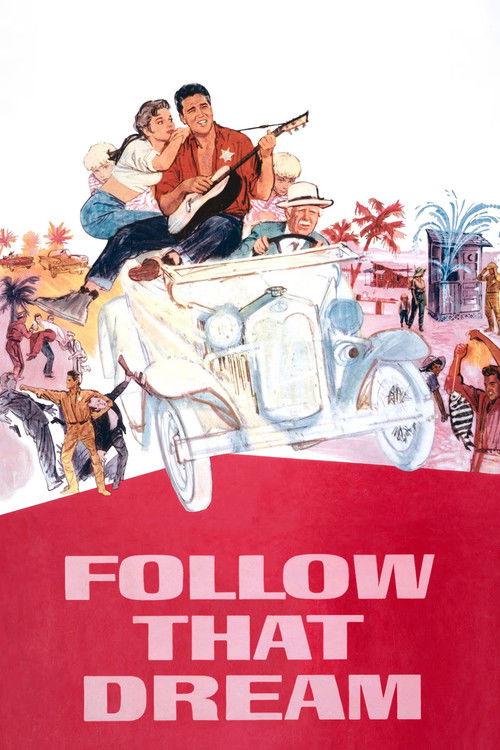
1962
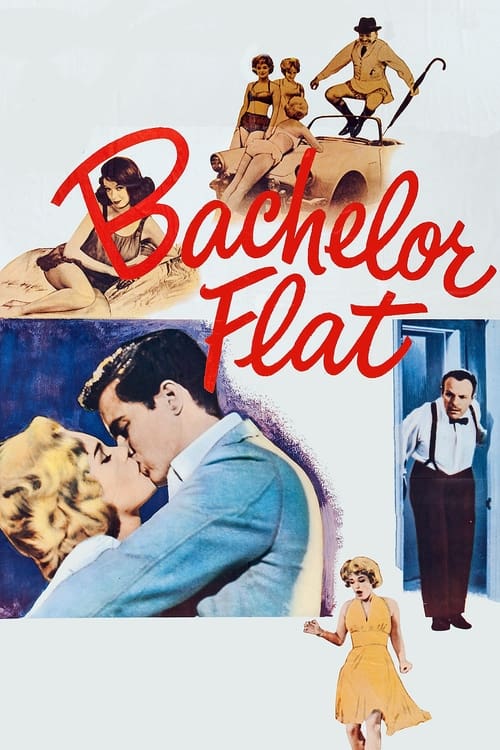
1961
1959
1960

1961
1962
1964
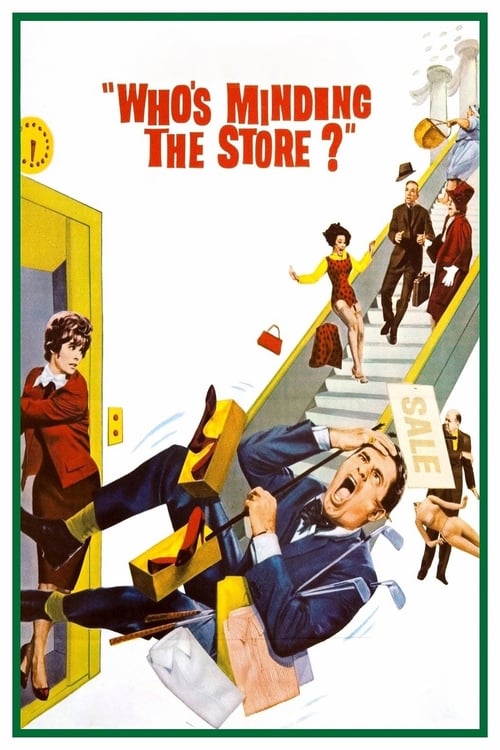
1963
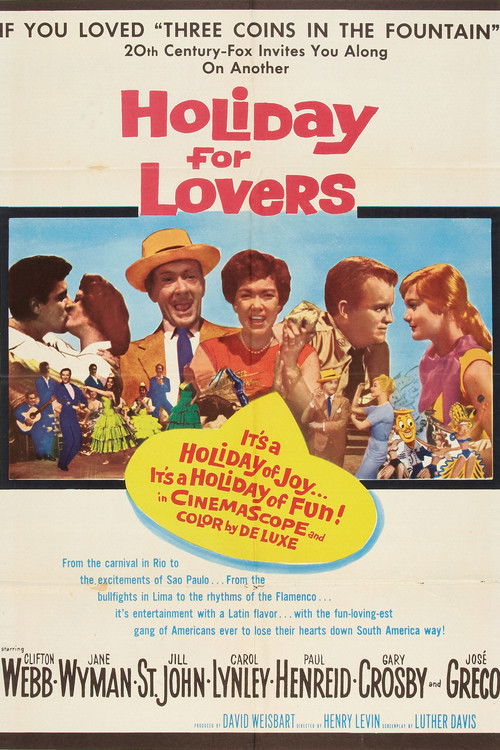
1959
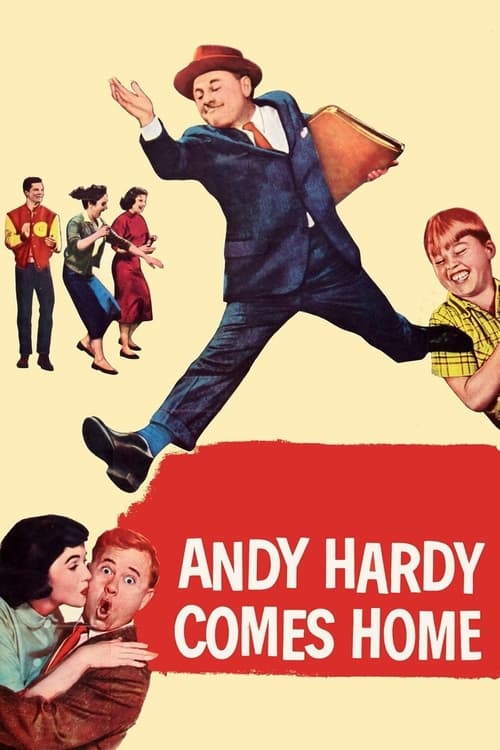
1958
No reviews yet. Be the first to share your thoughts on this movie!
Use the rating form above to leave a star rating and optional review.