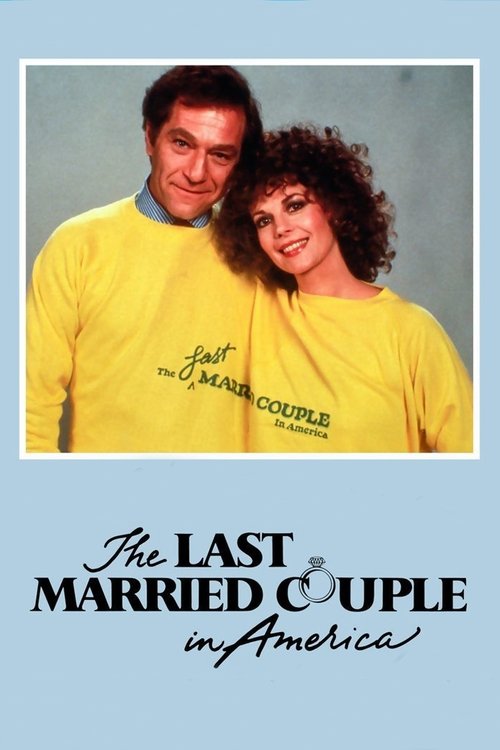
The Last Married Couple in America
1980
No user ratings available yet
Representation score: 2.4 out of 10
Representation Score
Limited
1967
ApprovedDirector
Bud Yorkin
Runtime
109 minutes
Average Rating
No ratings yetNew Showbiz Analysis
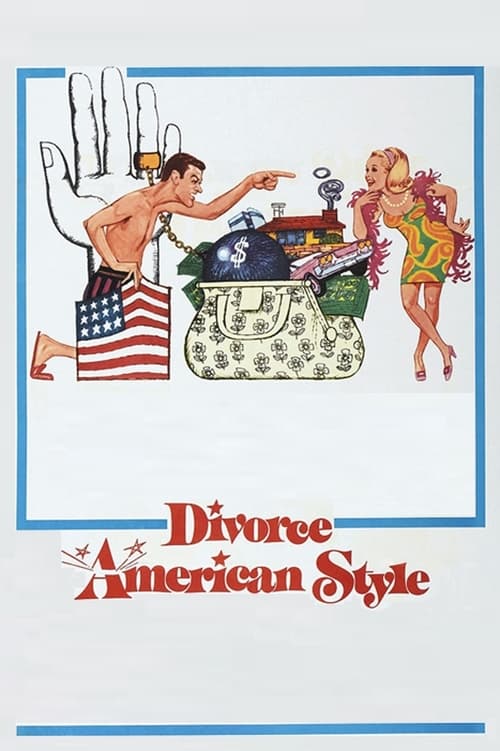
Divorce American Style is a period piece that mirrors the demographic uniformity of 1960s suburbia. While it doesn't offer diverse representation, it stands out by questioning traditional social norms. The film redefines marriage dissolution as a practical response to dissatisfaction, shifting the perspective from moral crisis to social negotiation. This approach provides a nuanced critique of conventional expectations. Ultimately, the film's progressive value lies in its challenge to established social institutions and its departure from a singular, moralistic view of the family unit.
Category Breakdown
The film stays within the confines of assuming everyone is straight and cisgender, with no representation of LGBTQ+ identities or subtext.
The story challenges traditional gender roles by focusing on the tension between a husband's independence and a wife's emotional influence.
The cast is primarily made up of white, Anglo-Saxon actors, lacking diverse ethnic representation.
The film presents divorce as a practical solution rather than a moral issue, challenging the sanctity of the nuclear family.
There are no visible or invisible disabilities portrayed in the characters or the storyline.
Present on Screen
Limited or Absent
Official Synopsis
After 17 years of marriage in American suburbia, Richard and Barbara Harmon step into the new world of divorce.
1980
1961

1963
1969
2016
1972
1954
1963
No reviews yet. Be the first to share your thoughts on this movie!
Use the rating form above to leave a star rating and optional review.