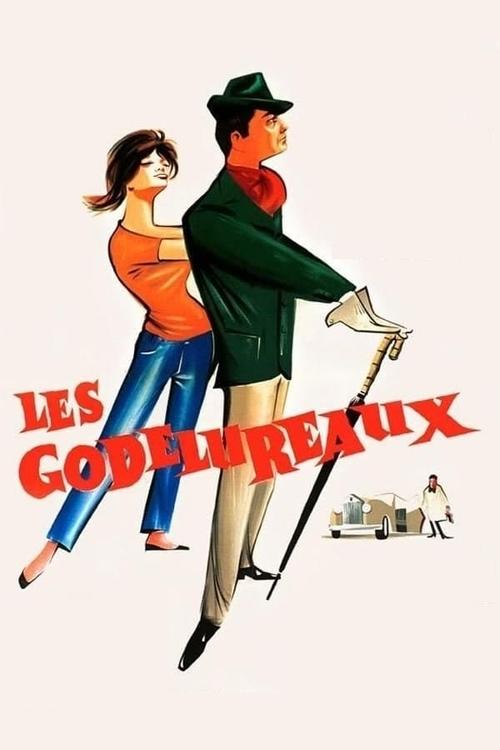
Wise Guys
1961
No user ratings available yet
Representation score: 4.5 out of 10

Representation Score
Limited
1960
Not RatedDirector
Claude Chabrol
Runtime
100 minutes
Average Rating
No ratings yetNew Showbiz Analysis
Claude Chabrol’s work stands out as a sophisticated deconstruction of mid-century social norms by emphasizing the 'invisible' lives of women. The film’s strength lies in its focus on female perspectives and social navigation, moving away from traditional male-driven narratives. However, the film remains limited by its historical context, lacking diversity in both race and ethnicity. It also fails to represent LGBTQ+ identities or non-cisgender narratives. Overall, the film serves as a sharp critique of bourgeois institutions and capitalist rituals, set within a largely homogeneous social framework.
Category Breakdown
The film adheres to a traditional mid-century framework focusing on romantic and domestic aspirations without addressing non-straight or non-cisgender identities.
Chabrol centers the narrative on women's experiences and inner lives, challenging the usual male-dominated structure by highlighting female friendships and the pressures of domestic life.
The cast is primarily made up of actors representing the Parisian demographic of the time. The main characters do not include diverse ethnic or racial backgrounds.
The film offers a nuanced look at bourgeois consumerism and middle-class social facades, showing characters through their private anxieties rather than a strict moral lens.
No visible or invisible disabilities are shown within the central narrative. Characters with disabilities are not used as plot devices.
Present on Screen
Limited or Absent
Official Synopsis
Four Parisian women navigate the world of romance and daily life looking to fulfill their dreams.
1961
1965
1959
1945
1959
1965
1967
1962
No reviews yet. Be the first to share your thoughts on this movie!
Use the rating form above to leave a star rating and optional review.