
Trois Couples en quête d'orages
2005
No user ratings available yet
Representation score: 7.2 out of 10
Representation Score
Fair
1974
Not RatedDirector
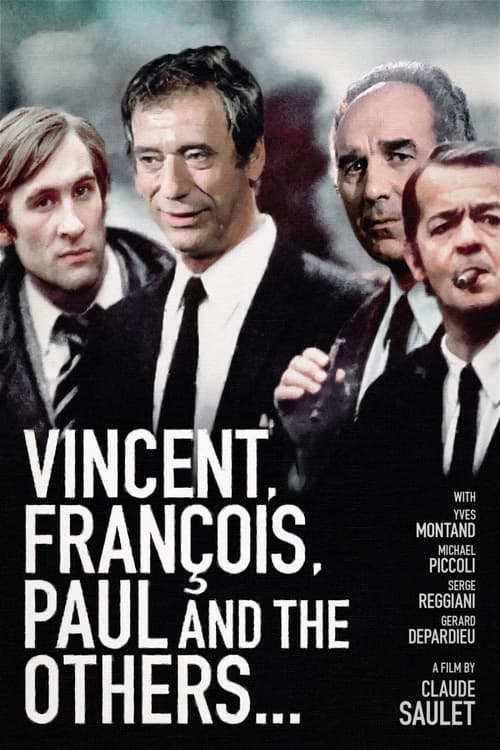
Claude Sautet
Runtime
113 minutes
Average Rating
No ratings yetNew Showbiz Analysis
Claude Sautet’s drama focuses on the psychological complexities of the French bourgeoisie, emphasizing the intellectual autonomy of women while maintaining a narrow social scope. The film challenges traditional institutions like marriage but lacks diversity in terms of race, LGBTQ+ identities, and disabilities.
Category Breakdown
The film focuses on traditional marriage and infidelity, avoiding non-traditional gender identities or same-sex relationships.
Women in the film are shown as emotionally intelligent and independent, passing the Bechdel test through conversations about their own lives.
The cast is mostly made up of people from the same background, reflecting the specific social class of 1970s Paris.
The film looks at the breakdown of the traditional family structure from a secular, humanist perspective, focusing on psychological realism.
There are no characters with visible or invisible disabilities. The main struggles are existential and psychological, not related to physical or neurological conditions.
Present on Screen
Limited or Absent
Official Synopsis
Three friends navigate mid-life crises: a blocked writer, a disillusioned doctor, and a charming man facing bankruptcy and divorce. As their struggles strain friendships, a younger man captures the attention of one friend's wife, complicating their lives further.
2005
1978
1981

1973

1959
1969
1985
1968
No reviews yet. Be the first to share your thoughts on this movie!
Use the rating form above to leave a star rating and optional review.