Le Combat dans l'île
1962
No user ratings available yet
Representation score: 2.2 out of 10
Representation Score
Limited
1987
Director
Claude Chabrol
Runtime
102 minutes
Average Rating
No ratings yetNew Showbiz Analysis
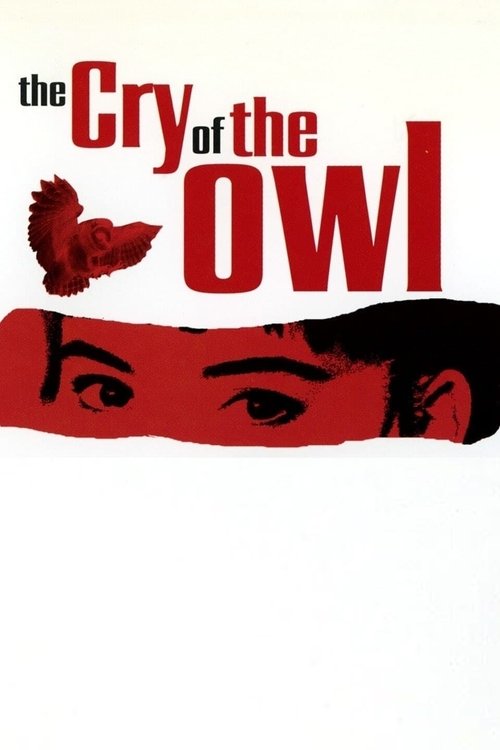
The Cry of the Owl is a psychological thriller that focuses on the deconstruction of bourgeois stability. It serves as a localized study of obsession, centered on a narrow social class within a provincial French setting. The film lacks diverse representation, offering almost no visibility for LGBTQ+ identities or racial diversity. Its narrative is deeply rooted in traditional European cinematic realism, focusing on a homogeneous middle-class environment. While it challenges traditional masculine archetypes by presenting an unstable male protagonist, the film remains limited in its scope of human experience, focusing on individual psychological tension rather than broader societal perspectives.
Category Breakdown
The film doesn't include any LGBTQ+ characters or stories. The main conflict revolves around a traditional, predatory heterosexual relationship between Robert and Juliette.
The narrative explores complex power dynamics and disrupts traditional masculinity by showing the male lead as an obsessive figure. While Juliette initially plays a significant role, the overall perspective remains heavily focused on the male character.
The cast and setting are primarily homogeneous, reflecting the specific socioeconomic context of the French bourgeoisie without much racial diversity.
Chabrol critiques the comfort and security of bourgeois life and Western social structures. The film emphasizes psychological ambiguity rather than direct religious or cultural messaging.
Psychological instability and obsessive behaviors are treated as thriller elements rather than meaningful representations of neurodivergence. There are no characters with disabilities given significant roles.
Present on Screen
Limited or Absent
Official Synopsis
Robert is an architect and artist, in Vichy after separating from his Parisian wife. Robert finds it calms him to stand in the shadows of the home of Juliette and Patrick and watch her cook. She thinks he's a prowler and confronts him, then invites him in...
1962
1969

2002
1989
1954
1980
2004

1990
No reviews yet. Be the first to share your thoughts on this movie!
Use the rating form above to leave a star rating and optional review.