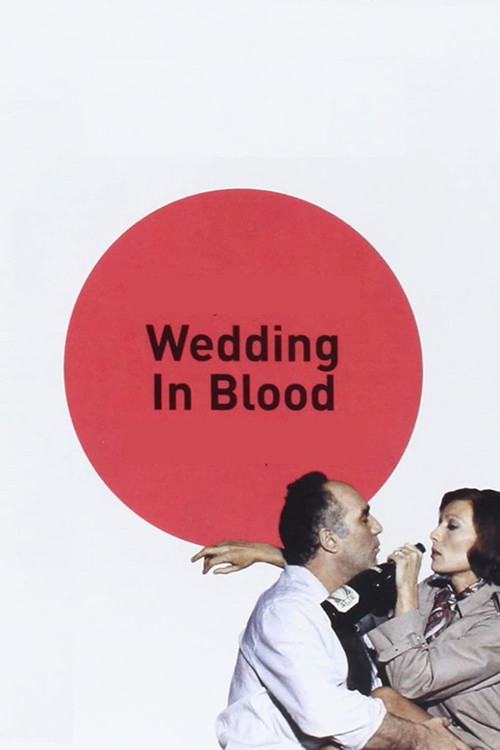
Wedding in Blood
1973
No user ratings available yet
Representation score: 4.0 out of 10
Representation Score
Good
1978
Not RatedDirector
Claude Chabrol
Runtime
124 minutes
Average Rating
No ratings yetNew Showbiz Analysis
Claude Chabrol’s drama is a sophisticated deconstruction of early 20th-century social structures. It succeeds by centering a woman whose volatility disrupts the stability of the French bourgeoisie, challenging rigid expectations of feminine domesticity. The film's strength lies in its subversion of traditional gender roles and its biting critique of institutional hypocrisy. By prioritizing the protagonist's subjective experience over legal absolutes, it provides a profound look at systemic pressures. However, the film remains limited by its historical setting, offering little in the way of LGBTQ+ representation or racial diversity. It primarily serves as a study of class-based moral decay within a homogeneous society.
Category Breakdown
The film centers on heterosexual relationships and does not include LGBTQ+ identities or queer dynamics. It focuses on the protagonist's destructive relationships with men.
Violette challenges traditional gender roles by rejecting the submissive daughter stereotype. She actively pursues her desires, defying patriarchal control and societal norms.
The film is set in 1933 France, which was historically homogeneous. While it lacks diverse representation, it critiques the hypocrisy and moral decay within the dominant white upper class.
The narrative dismantles Western institutions such as the family and judiciary by portraying them as rigid, hypocritical machines that fail to address individual psychological complexity.
The film explores psychological instability through the protagonist's temperament and social desperation. It avoids 'inspiration porn' by using the protagonist's mental state to drive a tragic narrative arc.
Present on Screen
Limited or Absent
Official Synopsis
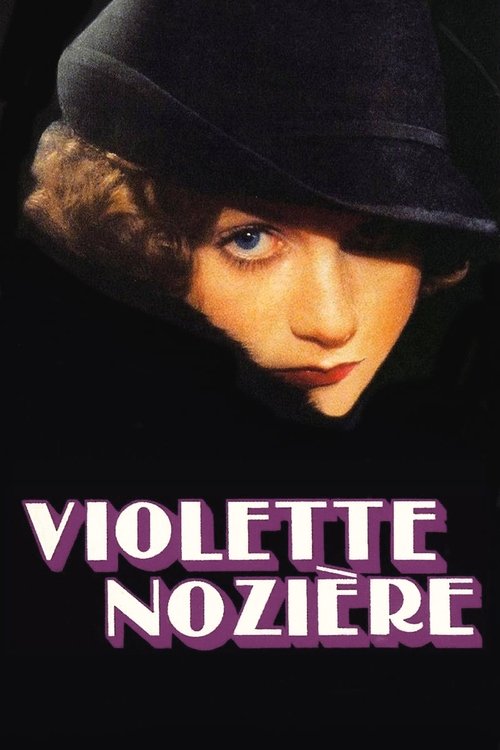
Paris, 1933. The daughter of a respectable lower middle class couple, Violette Nozière, leads a disreputable double life. Far from being the innocent 18-year-old her parents mistake her for, she spends her nights with dissolute young men in the less salubrious areas of the city.
1973

1958
2017
1960
1982
1964

1957
1993
No reviews yet. Be the first to share your thoughts on this movie!
Use the rating form above to leave a star rating and optional review.