The Funniest Man in the World
1967
No user ratings available yet
Diversity score: 2.3 out of 10
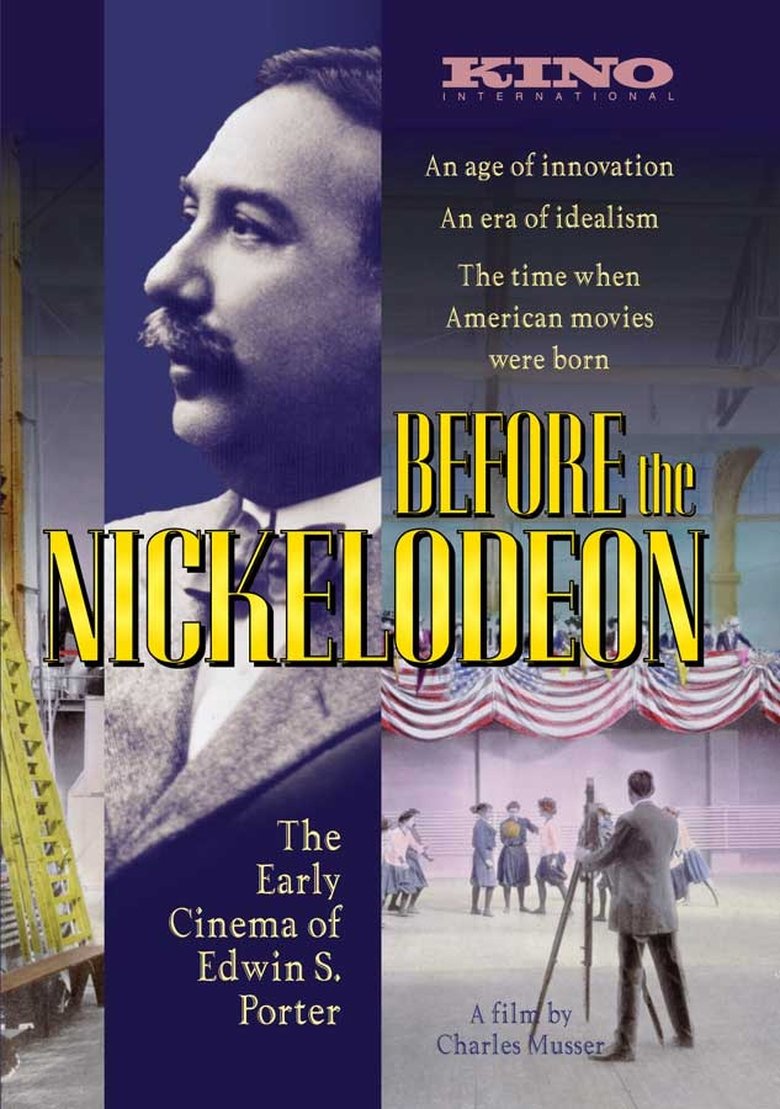
1982
Not RatedDirector
Charles Musser
Runtime
60 minutes
Average Rating
No ratings yetSynopsis
A documentary overview of the career of silent cinema pioneer Edwin S. Porter.
Overall Score
Limited
Category Breakdown
LGBTQ+ Representation
The documentary functions as a technical survey of early silent film history. It contains no LGBTQ+ characters, narratives, or identity-specific depictions within the analyzed archival footage.
Gender Representation
The film observes gendered archetypes established during the early 20th century. While analyzing how these tropes were constructed, the archival material largely reflects the traditional gender hierarchies of the era.
Racial & Ethnic Diversity
Archival clips frequently feature the racial biases and stereotypical depictions prevalent in the early 1900s. The film documents these as historical artifacts without providing a dedicated post-colonial critique.
Religious & Cultural Diversity
The film explores the emergence of the Nickelodeon as a medium for the working class. However, the narrative remains centered on Western cinematic evolution and technical progress.
Disability Representation
There is no documented focus on disability, neurodivergence, or chronic illness within the film’s historical survey or the archival clips utilized.
Strengths
Areas for Improvement
AI Analysis
Charles Musser’s documentary prioritizes the technical evolution of cinematic language over contemporary social commentary. It serves as a formalist study of the medium's birth, focusing on editing and continuity rather than intersectional identities. Because the film relies heavily on archival footage from the early 20th century, it inherently reflects the conservative social structures and rigid hierarchies of that period. The content acts as a mirror to historical social constraints. Ultimately, the work functions as a historiographical tool for historical preservation. It emphasizes the development of film grammar rather than active ideological subversion or the critique of systemic biases.
1967

1989

1931
1940
1900
1896
2018

2004
1971

1931
1906
1895
No reviews yet. Be the first to share your thoughts on this movie!
Use the rating form above to leave a star rating and optional review.