
Baignade de nègres
1896
No user ratings available yet
Representation score: 1.0 out of 10

Representation Score
Minimal
1931
Not RatedDirector
Jean Vigo
Runtime
9 minutes
Average Rating
No ratings yetNew Showbiz Analysis
Jean Vigo's documentary is celebrated for its innovative use of close-ups and freeze-frames. However, its narrow focus on a single male athlete from 1931 limits its demographic range. The film lacks the narrative complexity needed for characters who reflect more than one aspect of diversity, prioritizing cinematic techniques over social critique. Its focus on individual physical merit within a homogeneous context reflects its time period.
Category Breakdown
The film focuses solely on a male athlete and does not include any LGBTQ+ characters or those with non-traditional gender identities.
The story centers around the male physique and athletic achievements of Jean Taris. It emphasizes traditional masculinity without giving much attention to women’s roles.
This film is a biographical study of a French swimmer and does not feature any racial diversity or actors from different backgrounds.
The movie highlights individual physical excellence without addressing religious or cultural institutions. It focuses on physical achievement rather than challenging systemic power structures.
The main character is defined by his peak physical condition and athletic abilities. There is no depiction of characters with physical or neurodivergent disabilities.
Present on Screen
Limited or Absent
Official Synopsis
Short documentary directed by Jean Vigo about the French swimmer Jean Taris. The film is notable for the many innovative techniques that Vigo uses, including close ups and freeze frames of the swimmer's body.
1896

1929

1897

1927
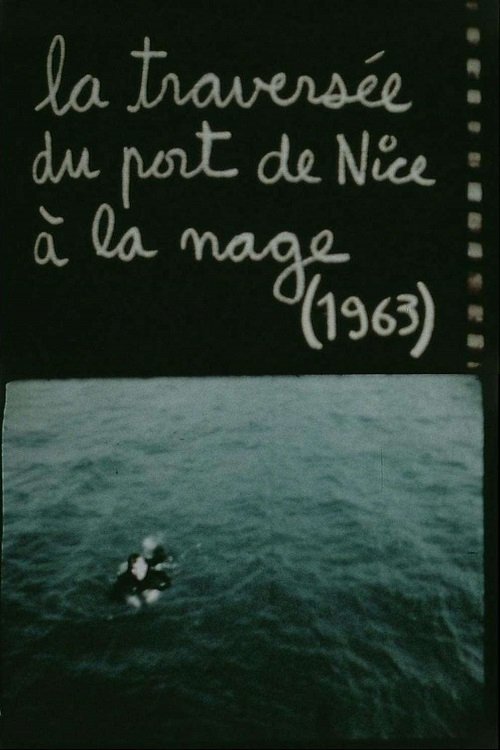
1963

1897

1897

1896
No reviews yet. Be the first to share your thoughts on this movie!
Use the rating form above to leave a star rating and optional review.