The Soundman
1950
No user ratings available yet
Representation score: 0.6 out of 10
Representation Score
Minimal
1940
NRDirector
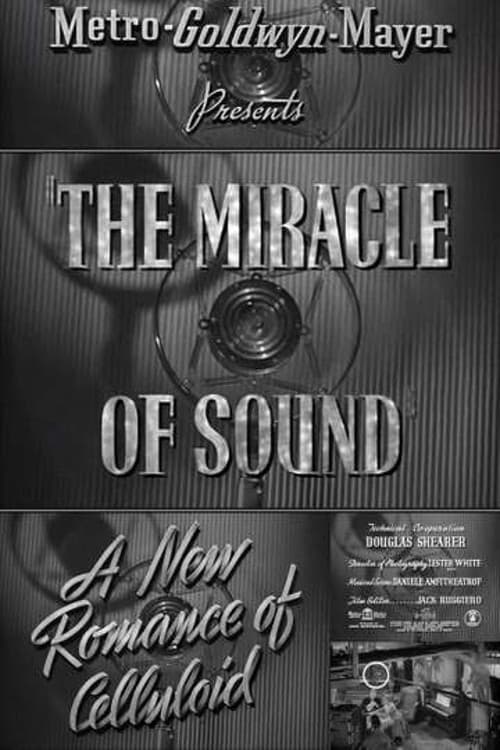
Douglas Shearer
Runtime
11 minutes
Average Rating
No ratings yetNew Showbiz Analysis
This documentary serves as an educational tool to showcase the evolution of sound synchronization at MGM. Given its strict focus on technical and industrial aspects, it lacks the narrative structure needed for character-driven social dynamics. The film prioritizes the celebration of technological advancements over human stories, thus not engaging with characters who reflect more than one aspect of diversity or challenging traditional social hierarchies. Ultimately, the work provides a specialized look at the 'miracle' of sound, reflecting the mechanics of the early 20th-century studio system rather than serving as a platform for social commentary.
Category Breakdown
The film focuses on sound engineering techniques and does not explore LGBTQ+ themes or character development related to gender identity.
The film reflects the gender norms of the 1940s, focusing on technical roles primarily occupied by men. There is no depiction of women taking significant roles or challenging gender hierarchies.
The production adheres to the demographic norms of early Hollywood, lacking a diverse technical crew or non-white subjects.
The documentary highlights Western cinematic technology and industrial progress, reinforcing the success of the established studio model without addressing broader cultural critiques.
The narrative concentrates solely on the mechanics of sound technology and does not portray individuals with physical or neurodivergent disabilities.
Present on Screen
Limited or Absent
Official Synopsis
This short documentary, presented and directed by MGM sound engineer Douglas Shearer, goes behind the scenes to look at how the sound portion of a talking picture is created.
1950

2004
1951

2014

1925

1935

1931
1907
No reviews yet. Be the first to share your thoughts on this movie!
Use the rating form above to leave a star rating and optional review.