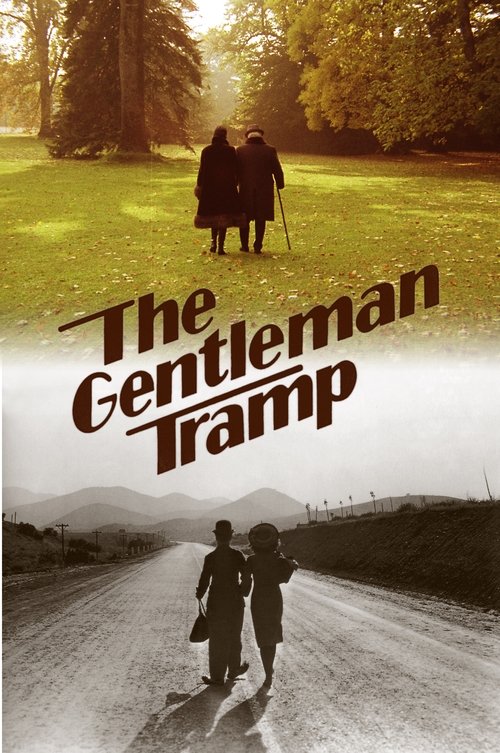
The Gentleman Tramp
1976
No user ratings available yet
Representation score: 1.1 out of 10
Representation Score
Minimal
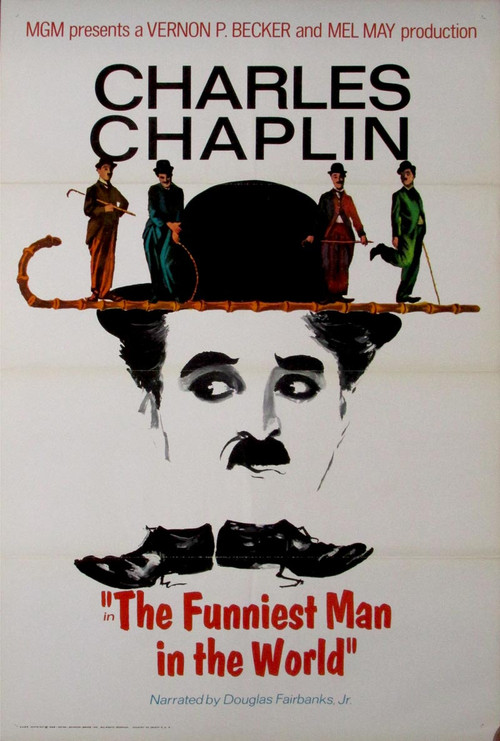
1967
PGDirector
Vernon P. Becker
Runtime
95 minutes
Average Rating
No ratings yetNew Showbiz Analysis
This documentary serves as a historical retrospective of Charlie Chaplin's early career, relying on archival footage. Because it focuses on preserving a specific biography, it does not explore diverse identities or social hierarchies. The film operates as a traditional biographical record rather than a work designed to challenge systemic norms. Consequently, it does not represent various underrepresented groups. Ultimately, the film prioritizes historical preservation over contemporary social commentary, focusing narrowly on a single historical figure.
Category Breakdown
The documentary does not include any characters or individuals who identify as LGBTQ+. The focus is solely on historical archival footage of Charlie Chaplin's career.
The film does not challenge traditional gender roles. There are no female characters shown exercising significant influence or disrupting typical masculine stereotypes.
The documentary focuses on a single, historically white figure. There is no indication of a predominantly non-Anglo-Saxon cast or efforts to challenge historical racial norms.
The work adheres to conventional biographical structures centered on Western entertainment history. It does not explicitly address themes that critique institutional power or secular norms.
There is no information about the portrayal of physical disabilities, mental health conditions, or neurodivergence within this documentary's scope.
Present on Screen
Limited or Absent
Official Synopsis
Documentary about the early career of Charlie Chaplin.
1976
1992
2021

2003
1989
1928
2003
2013
No reviews yet. Be the first to share your thoughts on this movie!
Use the rating form above to leave a star rating and optional review.