
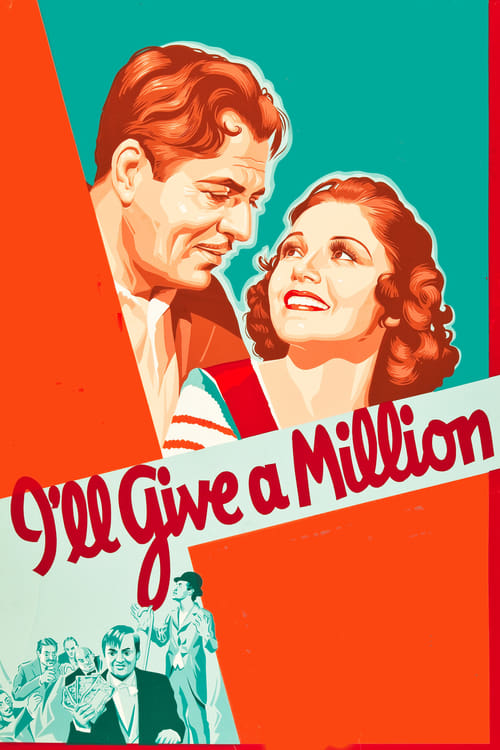
I'll Give a Million
1935
No user ratings available yet
Representation score: 0.9 out of 10
Representation Score
Limited
1938
NRDirector
Walter Lang
Runtime
70 minutes
Average Rating
No ratings yetNew Showbiz Analysis
I'll Give a Million is a traditional 1938 screwball comedy that prioritizes whimsical escapism over social commentary. The plot revolves around a millionaire's experiment in wealth redistribution, reinforcing existing social structures rather than challenging them. The film operates within the standard narrative conventions of the Golden Age of Hollywood. It lacks intentionality regarding diverse representation or the disruption of established hierarchies. Ultimately, the production reflects the era's social constraints, focusing on a singular, likely homogenous perspective of wealth and kindness.
Category Breakdown
There is no representation of LGBTQ+ identities in the film. It adheres to the strict censorship rules of 1938 regarding gender and sexuality.
The narrative likely relies on traditional gender roles common to 1930s comedies. Female characters probably play supporting or romantic roles without much subversion.
The story focuses on a white, Anglo-Saxon millionaire and a tramp. There is no indication of a diverse cast or the subversion of racial hierarchies.
The plot centers on individual charity within a capitalist framework. It reflects traditional Western views of benevolence rather than offering a systemic critique.
The depiction of a tramp's suicide attempt suggests social instability. However, such characters often served as mere plot devices rather than nuanced individuals.
Present on Screen
Limited or Absent
Official Synopsis
After saving a tramp from suicide, a millionaire takes his clothing and disappears. Word is out that he will give a million dollars to anyone who is kind to a tramp.
1935
1938

1967
1952
1942
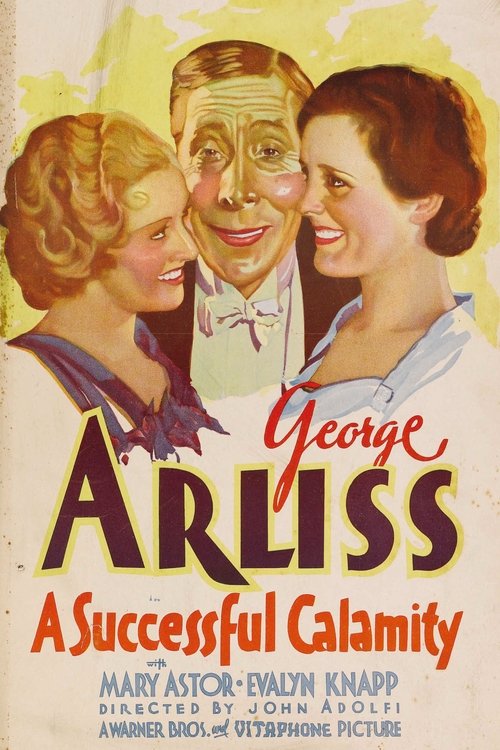
1932
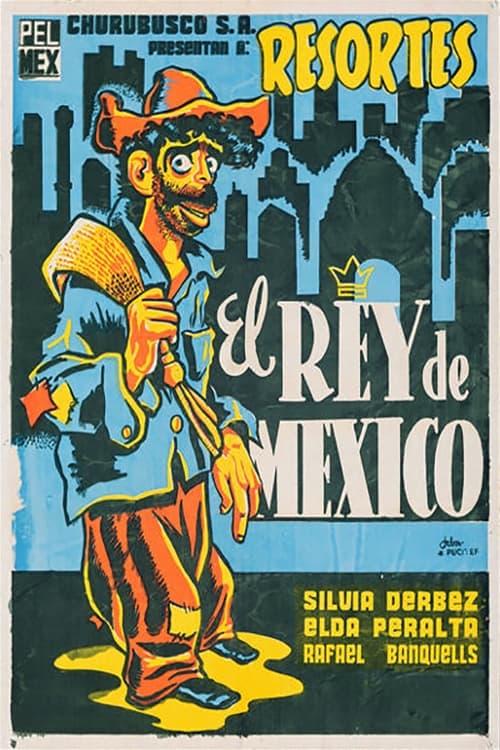
1956
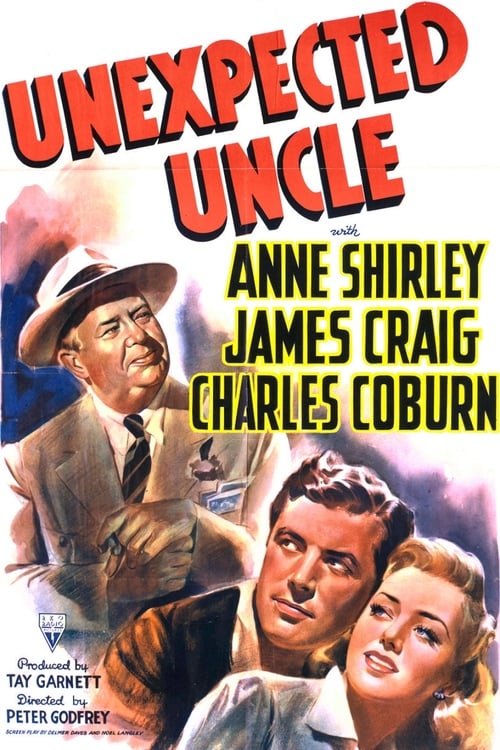
1941
No reviews yet. Be the first to share your thoughts on this movie!
Use the rating form above to leave a star rating and optional review.