Unexpected Uncle
1941
No user ratings available yet
Representation score: 1.4 out of 10
Representation Score
Minimal
1942
Director
Henri Decoin
Runtime
88 minutes
Average Rating
No ratings yetNew Showbiz Analysis
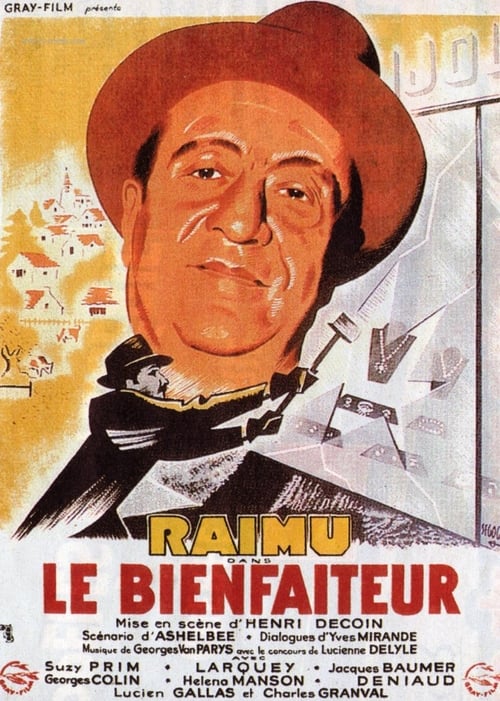
The Benefactor is a character-driven drama set in the social and narrative conventions of 1940s European cinema. It focuses on the tension between a village noble's public virtue and private dishonesty, emphasizing individual morality over systemic issues. By adhering to traditional class hierarchies and moral archetypes of its era, the film lacks the multi-layered representation seen in modern storytelling. The narrative structure is centered around a singular male perspective, offering limited space for diverse viewpoints. Ultimately, the film serves as a conventional drama of deception, reflecting the homogeneous social structures of its time without attempting to represent underrepresented identities.
Category Breakdown
The film does not include any characters with LGBTQ+ identities. The story revolves around a single male protagonist's moral struggle.
The story centers on a male noble, indicating a traditional gender hierarchy. Female characters likely play supporting or domestic roles within this 1940s context.
The French village setting and 1942 timeframe suggest a homogeneous cast. There is no indication of diverse ethnic representation or non-Western identities.
The film operates as a traditional moral fable centered on social status. It does not challenge Western institutions or religious morality.
There is no mention of characters with visible or invisible disabilities in the narrative.
Present on Screen
Limited or Absent
Official Synopsis
A kind and generous village noble, specializing in good works, actually leads a double existence and carries out dishonest activities.
1941
1947
1933

1934
1937
1942
1938

1926
No reviews yet. Be the first to share your thoughts on this movie!
Use the rating form above to leave a star rating and optional review.