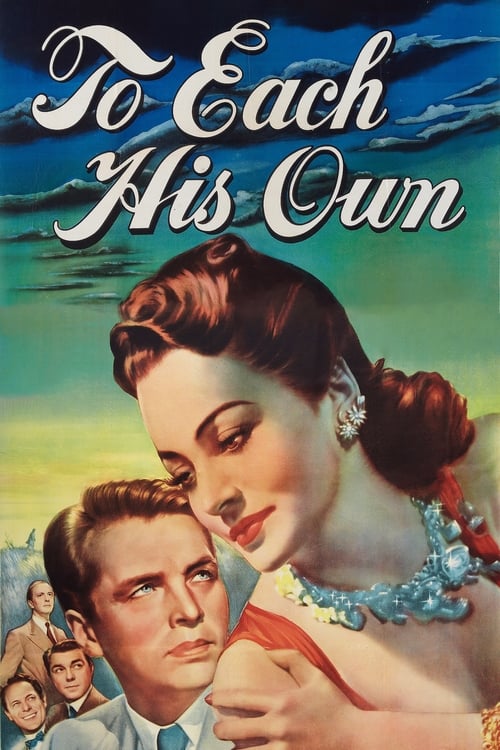
To Each His Own
1946
No user ratings available yet
Diversity score: 2.5 out of 10

1942
NRDirector
Harold S. Bucquet
Runtime
86 minutes
Average Rating
No ratings yetSynopsis
Wealthy American society matron, Stella Hadley refuses to sacrifice her material comforts to aid the war effort until she realizes that her selfishness is cheating the boys overseas who are fighting for her freedom.
Overall Score
Limited
Category Breakdown
LGBTQ+ Representation
The film lacks any representation of LGBTQ+ identities or non-cisnormative gender expressions. The social framework remains strictly aligned with mid-century domestic standards.
Gender Representation
Stella Hadley initially disrupts the trope of the selfless matriarch by appearing self-interested and non-compliant. However, her arc ultimately reinforces traditional patriotic duties and female compliance with wartime expectations.
Racial & Ethnic Diversity
The film presents a homogeneous social environment typical of 1942. There is no evidence of non-white casting or a diverse ensemble within this specific social stratum.
Religious & Cultural Diversity
The narrative emphasizes traditional Western values and the moral necessity of patriotism. It validates national institutions by resolving the friction between individualism and communal responsibility.
Disability Representation
There are no visible or invisible disabilities portrayed. No characters have arcs defined by physical impairment or neurodivergence.
Strengths
Areas for Improvement
AI Analysis
The film serves as a period-specific study of individual character reform within a rigid social hierarchy. While the protagonist offers a brief departure from the 'ideal woman' archetype, the story is structured to reintegrate her into the prevailing patriotic order. Diversity is minimal, as the production adheres to the systemic limitations of the early 1940s. The focus remains on a homogeneous, wealthy American social class, offering little intersectional complexity or systemic critique. Ultimately, the film prioritizes social cohesion and the reinforcement of mid-century Western values over any meaningful representation of marginalized identities.
1946

1950
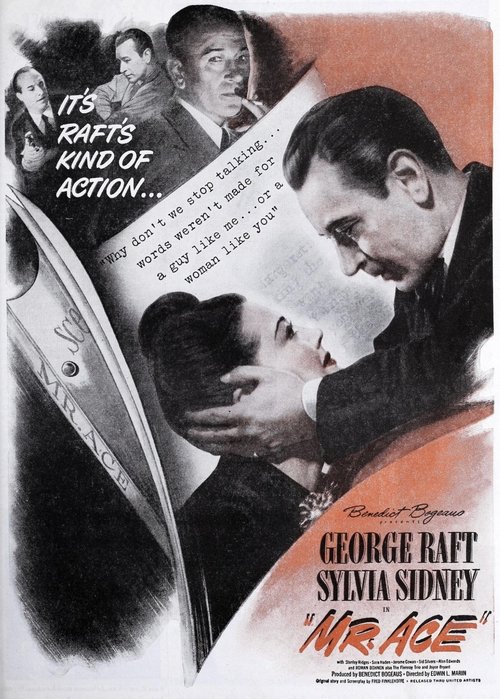
1946
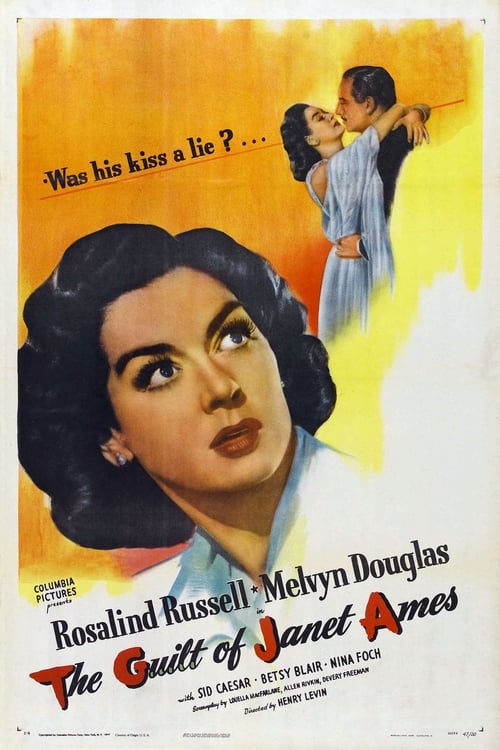
1947
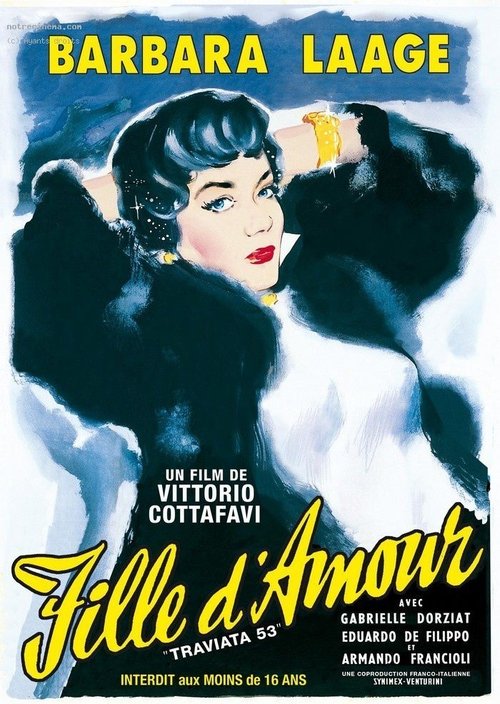
1953

1940

1942

1917
1943
1942
1932
1948
No reviews yet. Be the first to share your thoughts on this movie!
Use the rating form above to leave a star rating and optional review.