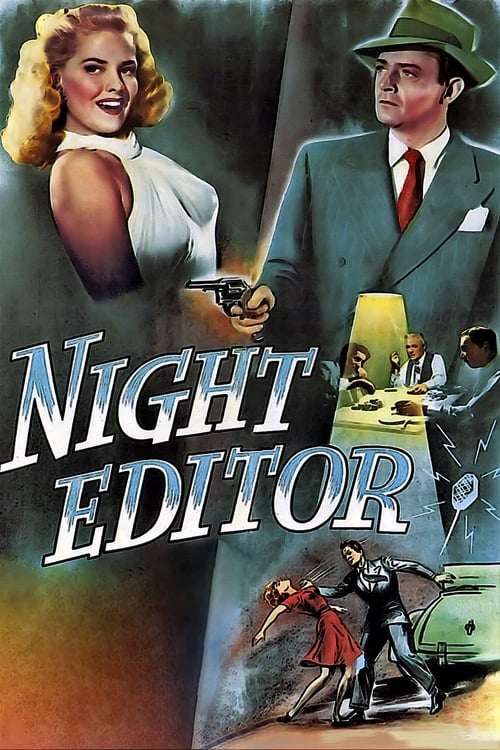
Night Editor
1946
No user ratings available yet
Diversity score: 2.5 out of 10

1947
Director
Henry Levin
Runtime
83 minutes
Average Rating
No ratings yetSynopsis
A hard-drinking reporter tries to help the embittered widow of the soldier who had saved his life during the war.
Overall Score
Limited
Category Breakdown
LGBTQ+ Representation
The film focuses on a heterosexual relationship between a reporter and a widow. There is no indication of non-heteronormative identities or queer themes.
Gender Representation
The story follows a traditional savior dynamic where a male protagonist drives the action. While the widow shows emotional complexity, the agency remains largely with the male lead.
Racial & Ethnic Diversity
The narrative appears to follow the homogeneous casting standards of 1940s Hollywood. It focuses on a white, Anglo-centric perspective of post-war life.
Religious & Cultural Diversity
Themes of wartime debt and social responsibility reinforce traditional morality. The film emphasizes patriotism and conventional social cohesion common to the era.
Disability Representation
There is no information available regarding the depiction of physical or neurodivergent disabilities in this film.
Strengths
Areas for Improvement
AI Analysis
This 1947 melodrama is a product of the Hollywood studio system, prioritizing traditional character archetypes and mid-century social mores. The narrative structure centers on wartime sacrifice and emotional debt, which reinforces the era's standard social hierarchies rather than challenging them. The film lacks intersectional perspectives, focusing instead on a conventional exploration of grief. By adhering to the period's typical interpersonal dynamics, it functions as a standard genre piece that reflects the status quo of post-WWII society.
1946
1939
1943
1941

1946
1946
1943
1944
1951
1937
1950

1949
No reviews yet. Be the first to share your thoughts on this movie!
Use the rating form above to leave a star rating and optional review.