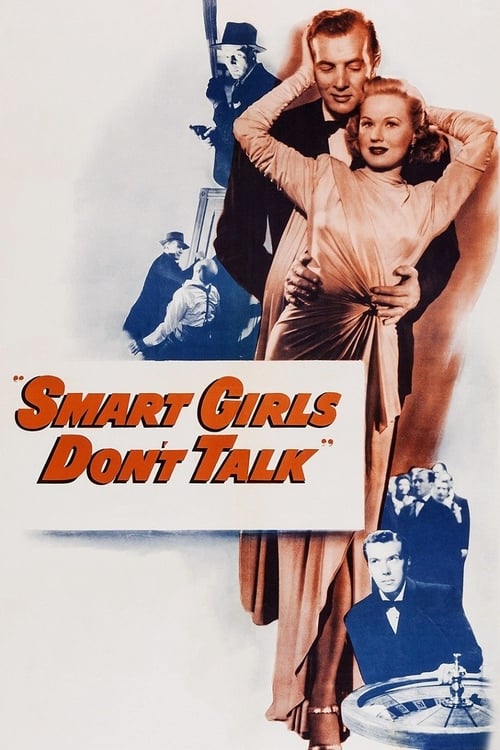
Smart Girls Don't Talk
1948
No user ratings available yet
Diversity score: 1.4 out of 10

1942
Director
Joseph M. Newman
Runtime
22 minutes
Average Rating
No ratings yetSynopsis
This Crime Does Not Pay series entry dramatizes the idea that during wartime, people should not discuss anything related to their work when in public. A casual remark can be overheard by an enemy agent and used to sabotage the war effort. In this short, the story involves shipments of parts to a defense plant.
Overall Score
Minimal
Category Breakdown
LGBTQ+ Representation
The film focuses entirely on industrial security and wartime espionage. There are no depictions of non-cisnormative identities or narratives addressing heteronormativity.
Gender Representation
The narrative prioritizes defense plants and industrial shipments, roles coded as masculine in 1942. It reinforces traditional gendered divisions of labor and leadership.
Racial & Ethnic Diversity
The production reflects the homogeneous casting norms of the era. The narrative serves a standardized patriotic ideal centered on Anglo-Saxon depictions of citizenship.
Religious & Cultural Diversity
The film acts as an instrument of state-aligned morality. It promotes patriotism and the sanctity of national institutions rather than critiquing Western social orders.
Disability Representation
There is no indication that disability or neurodivergence plays a role in the character development or the narrative arc.
Strengths
Areas for Improvement
AI Analysis
Don't Talk is a didactic wartime short designed to reinforce nationalistic cohesion and civic duty. Its primary purpose is to promote security protocols regarding industrial sabotage, which limits its scope to utilitarian, state-sanctioned themes. The film upholds the social hierarchies of 1942, focusing on macro-level mechanics of defense. This approach results in a narrative that lacks engagement with diverse identities or social subversion. Ultimately, the work functions as a tool for institutional stability, prioritizing collective discipline and traditional patriotic ideals over individual or diverse representation.
1948
1940
1930
1942
1943
1944
1944
1941
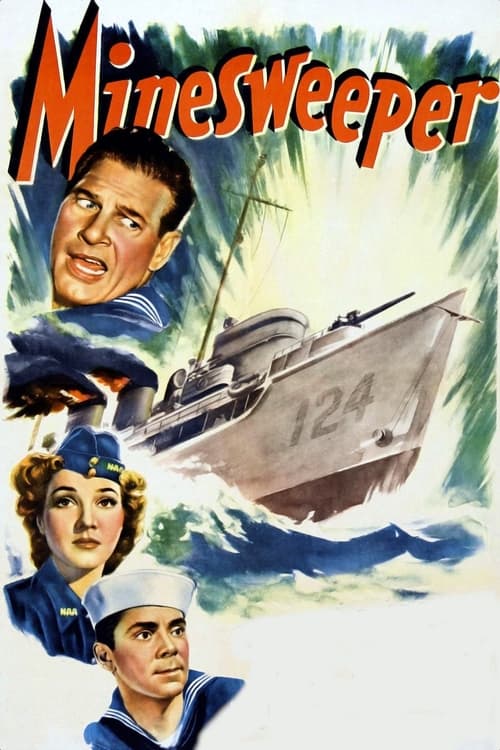
1943
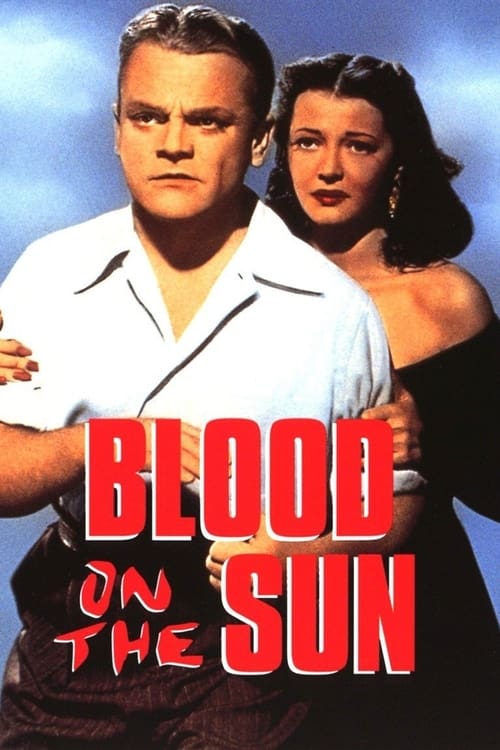
1945
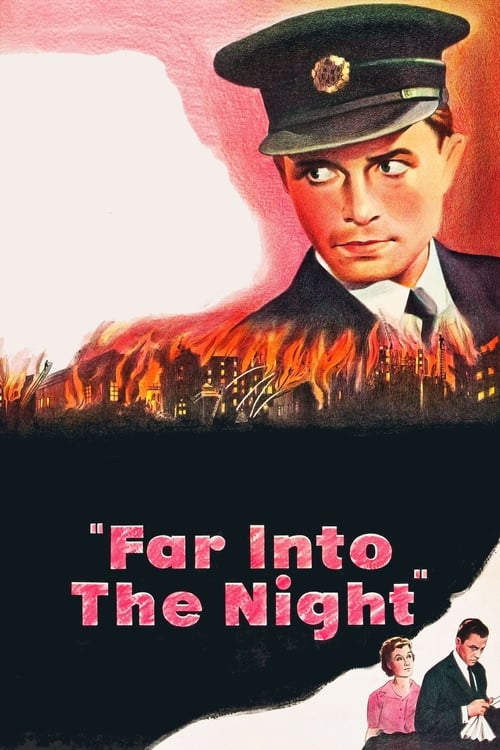
1943
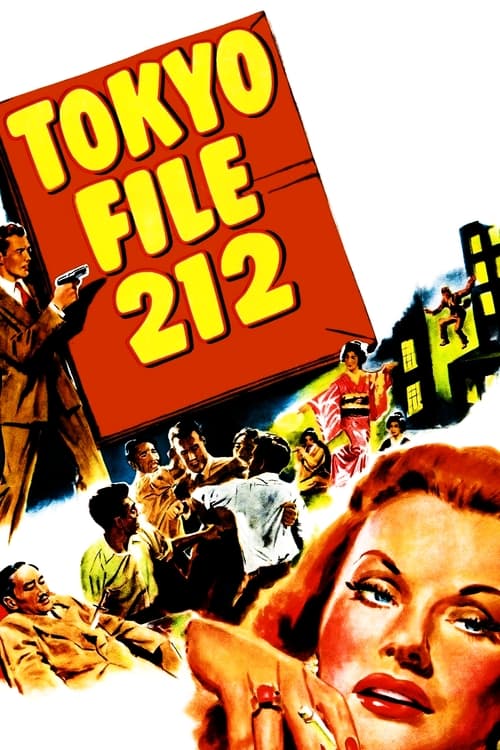
1951
No reviews yet. Be the first to share your thoughts on this movie!
Use the rating form above to leave a star rating and optional review.