
Germany, Year Zero
1948
No user ratings available yet
Representation score: 5.0 out of 10

Representation Score
Limited
1950
Not RatedDirector
H. C. Potter
Runtime
104 minutes
Average Rating
No ratings yetNew Showbiz Analysis
The Miniver Story is a quintessential mid-century drama that prioritizes the preservation of traditional social and familial hierarchies. It functions as a character-driven study of domestic life in post-war Britain, reinforcing the era's established cultural norms. While the film provides a nuanced look at female emotional resilience, it does so within a framework that upholds conventional gender roles. The narrative lacks depth in representing diverse experiences. Ultimately, the film reinforces rather than challenges the social structures of its time, offering a sentimental view of post-war recovery through a very narrow lens.
Category Breakdown
The film follows strict 1950s standards and does not include any queer subtext or non-traditional gender identities. The story centers on traditional marital bonds.
Miniver Jeanie shows psychological strength and plays a significant role in driving the story through her maternal devotion. However, the narrative remains tied to traditional gender roles and domestic endurance.
The cast is mostly white and middle-class, reflecting the homogeneous social norms of post-war Britain. The film lacks diverse ethnic representation or color-blind casting.
The story emphasizes Western values, particularly the sanctity of the nuclear family and social stability. It offers little critique of religion or Western social structures.
There is no significant focus on neurodivergence or physical disabilities. Any depicted hardships serve the theme of familial resilience rather than providing real power to disabled characters.
Present on Screen
Limited or Absent
Official Synopsis
The Second World War is over, and the Miniver family is trying to keep themselves together in post-War Britain, among continuing shortages and growing tensions within the family.
1948

1950
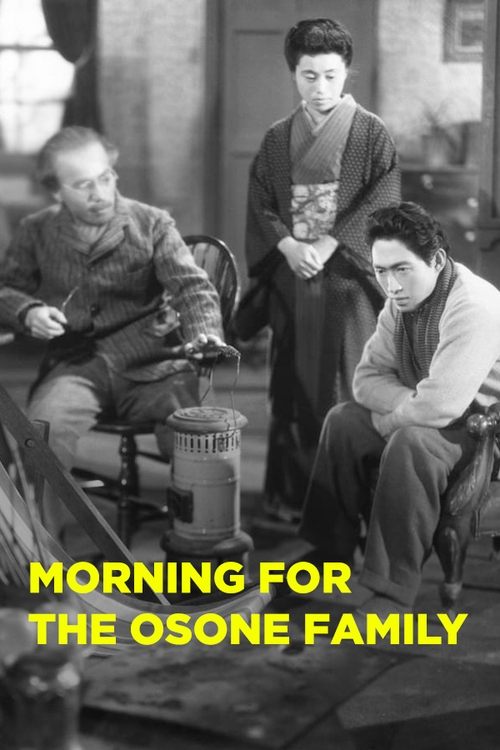
1946

1940

1945
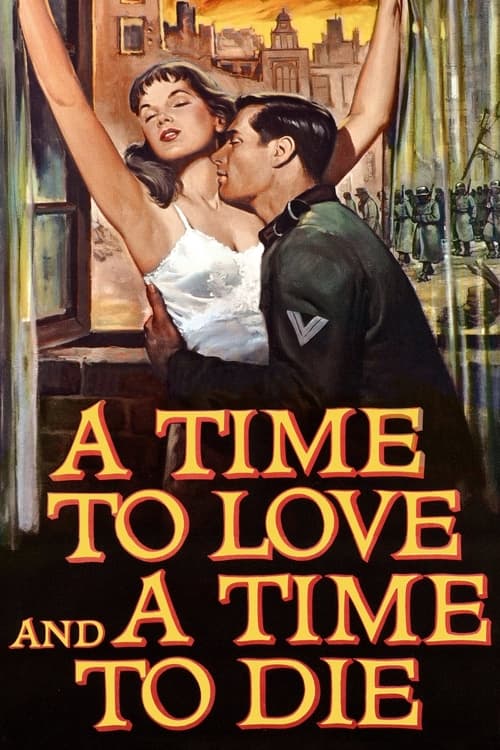
1958

1948

1942
No reviews yet. Be the first to share your thoughts on this movie!
Use the rating form above to leave a star rating and optional review.