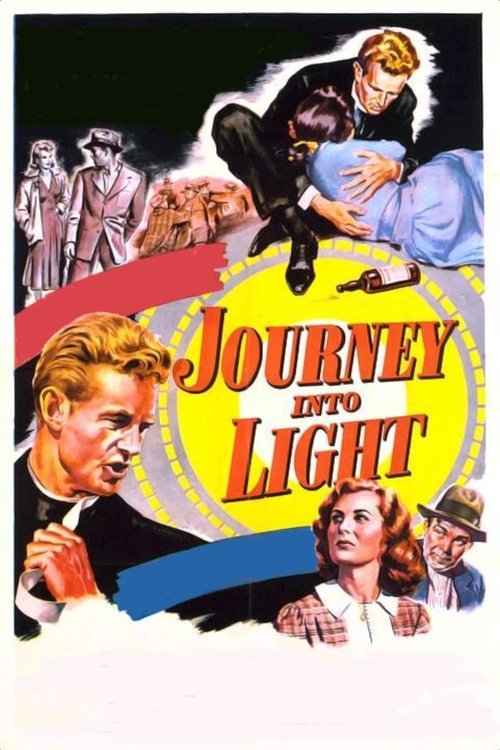
Journey Into Light
1951
No user ratings available yet
No diversity score available

1947
NRDirector
Stuart Heisler
Runtime
103 minutes
Average Rating
No ratings yetSynopsis
A nightclub singer uses alcohol in excess to sooth her painful life.
Overall Score
Fair
Category Breakdown
LGBTQ+ Representation
The film lacks any discernible presence of LGBTQ+ characters or non-heteronormative identities. It adheres strictly to the standard heteronormative structures of 1947.
Gender Representation
The narrative disrupts mid-century archetypes by centering on a woman's psychological disintegration. The protagonist demonstrates agency through her instability rather than submission to a patriarchal household.
Racial & Ethnic Diversity
The cast is predominantly white and homogeneous, consistent with 1947 industry standards. There is no significant evidence of racial blending or diverse casting.
Religious & Cultural Diversity
The story explores the fragility of the nuclear family and Western institutions. It frames the traditional family unit as a source of instability rather than a sanctuary.
Disability Representation
The film offers a nuanced look at mental health by making psychological instability the central driver of the character arc. It treats the protagonist's condition with agency.
Strengths
Areas for Improvement
AI Analysis
Smash-Up: The Story of a Woman is a period-specific melodrama that finds its strength in subverting domestic expectations. While it remains limited by the racial and LGBTQ+ homogeneity of 1947, it moves beyond simple moralism to explore complex psychological terrain. The film's focus on a woman's agency through her own destruction provides a departure from more rigid, traditional dramas of the era. It uses the collapse of the marital unit to challenge the idea of the husband as a stabilizing force. Ultimately, the work succeeds in its psychological depth and its critique of social respectability, even as it operates within a very narrow demographic scope.
1951
1927
1962
1963

2009
1954
1992
1957

1967
1957

1956
1981
No reviews yet. Be the first to share your thoughts on this movie!
Use the rating form above to leave a star rating and optional review.