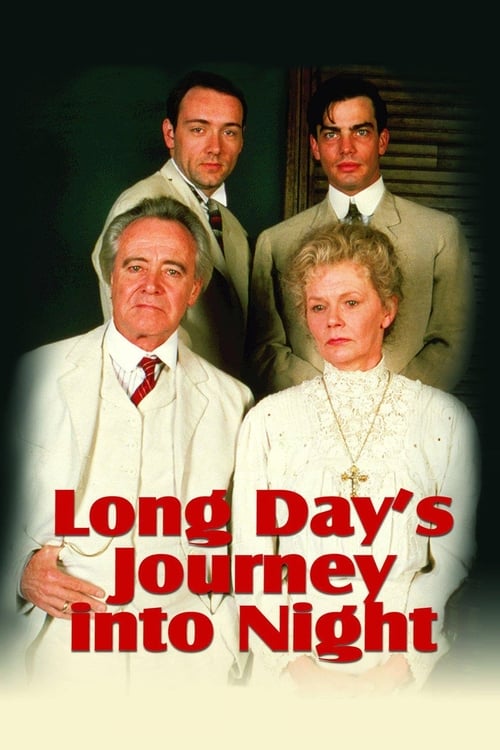
Long Day's Journey Into Night
1987
No user ratings available yet
Representation score: 5.3 out of 10
Representation Score
Fair
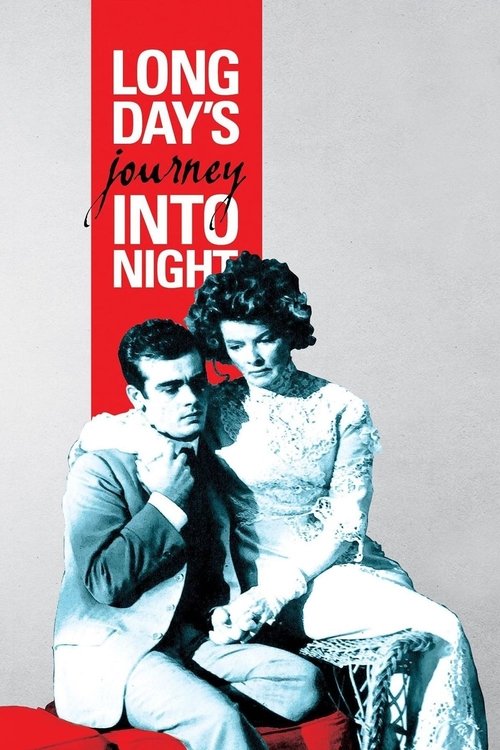
1962
Not RatedDirector
Sidney Lumet
Runtime
170 minutes
Average Rating
No ratings yetNew Showbiz Analysis
Sidney Lumet’s adaptation is a deep critique of the mid-century domestic ideal. It avoids idealized family structures and instead offers a raw look at human weakness and the collapse of family life. While the film doesn’t address modern issues of racial or LGBTQ+ inclusion, it excels in challenging traditional power structures. The narrative shifts focus from masculine strength to psychological vulnerability. Ultimately, the work succeeds by rejecting the idea of a perfect family and instead explores instability and the breakdown of authority in a sophisticated manner.
Category Breakdown
The film stays within a traditional family structure and does not include any queer subtext or non-traditional gender identities.
The movie challenges traditional gender roles by focusing on Mary Tyrone’s struggle with morphine addiction, which breaks down the typical maternal figure and shows James Tyrone as a flawed father.
Set in 1912, the film centers on the Irish-American experience, reflecting the socioeconomic and ethnic isolation of its characters.
The story questions the traditional Western family unit by showing it as dysfunctional, replacing domestic celebrations with a focus on recurring regrets.
Substance use disorders are central to the characters' identities and are not just used as plot devices. The film presents addiction as a complex, debilitating issue without resorting to inspirational stories.
Present on Screen
Limited or Absent
Official Synopsis
An Irish miser, his morphine addicted wife, their debauched older son, and a gravely ill younger son. A quiet Connecticut vacation home on one foggy day in August 1912 becomes the backdrop for domestic decline.
1987

1945

1982

1984
1957
1979

1972
1989
No reviews yet. Be the first to share your thoughts on this movie!
Use the rating form above to leave a star rating and optional review.