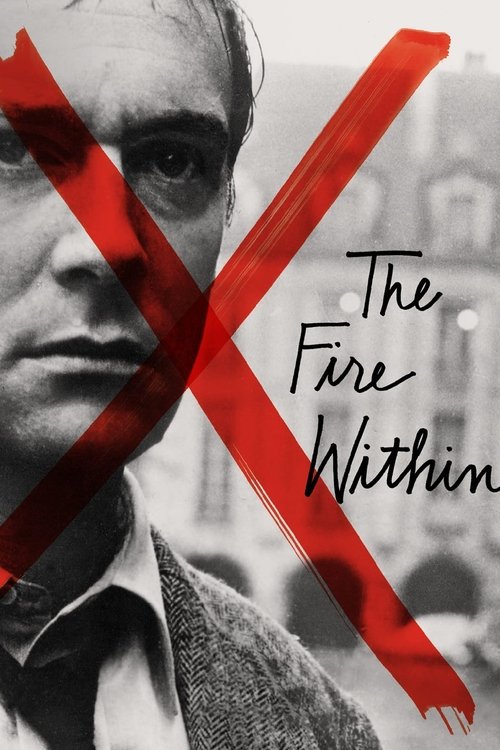
The Fire Within
1963
No user ratings available yet
Representation score: 5.8 out of 10

Representation Score
Limited
1956
Not RatedDirector
Pietro Germi
Runtime
115 minutes
Average Rating
No ratings yetNew Showbiz Analysis
Pietro Germi’s drama is a character study grounded in post-war Italian social realism. It prioritizes the psychological tension between an individual and industrial institutions over modern identity-focused storytelling. The film deconstructs the 'ideal worker' through the lens of human vulnerability. While the film offers a profound critique of how mechanical demands can dehumanize a person, it remains firmly within the social hierarchies of its time. It does not seek to disrupt ethnic, gendered, or sexual norms, instead depicting the consequences of traditional archetypes. Ultimately, the work is a period-specific tragedy. It explores the struggle to maintain dignity within a rigid system, but it lacks the layered approaches to diversity seen in contemporary cinema.
Category Breakdown
The film adheres to a traditional mid-century social framework. It does not include any representation of non-straight identities or stories that question the assumption that everyone is straight.
The story emphasizes a patriarchal structure by focusing on a male provider. The protagonist's identity is closely linked to his role as a disciplined worker within a traditional family context.
Set in 1950s Italy, the cast and setting are ethnically uniform. The film mirrors the demographics of its era without addressing racial diversity.
The film critiques how industrial systems dehumanize individuals. It respects the cultural and religious structures of the time without breaking them down.
Mental health and alcoholism play key roles in the protagonist's journey. These elements contribute to his character development and tragic fall, but do not explore neurodivergent identity or personal empowerment.
Present on Screen
Limited or Absent
Official Synopsis
Train operator Andrea Marcocci has to witness the suicide of a desperate man who jumps in front of his train. Under the influence of this shock he starts making mistakes. A check up by a doctor reveals that he's at the brink of becoming an alcoholic. Due to this evaluation he is degraded and must accept a salary cut.
1963

1957
1962
1951
1953

1974
1976
1945
No reviews yet. Be the first to share your thoughts on this movie!
Use the rating form above to leave a star rating and optional review.