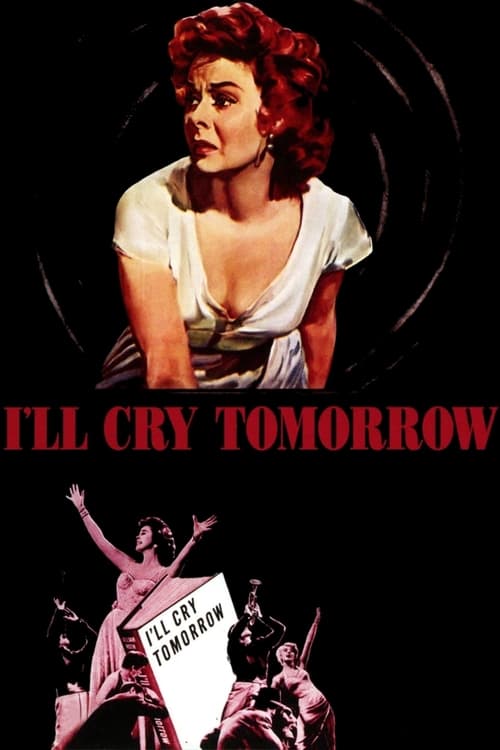
I'll Cry Tomorrow
1955
No user ratings available yet
Diversity score: 2.9 out of 10

1957
NRDirector
George Sidney
Runtime
109 minutes
Average Rating
No ratings yetSynopsis
Biographical film based loosely on the life of 1920s stage star Jeanne Eagels.
Overall Score
Limited
Category Breakdown
LGBTQ+ Representation
The film operates within a strictly heteronormative biographical framework. It contains no visible non-cisnormative identities or narratives that critique traditional social structures.
Gender Representation
The story centers a female protagonist driven by professional intellect and ambition. It avoids domestic tropes, instead exploring how a male-dominated industry impacts female autonomy and agency.
Racial & Ethnic Diversity
The cast is predominantly homogeneous, reflecting the production standards of 1957. There is a lack of racial diversity or non-white characters to challenge existing social hierarchies.
Religious & Cultural Diversity
The film critiques the predatory nature of the Hollywood studio system. However, it treats addiction as a personal tragedy rather than a systemic issue, maintaining traditional moral frameworks.
Disability Representation
Substance abuse and psychological instability are central to the character's arc. The portrayal often relies on the 'tragic figure' trope to generate pathos for the protagonist.
Strengths
Areas for Improvement
AI Analysis
This biographical drama succeeds in subverting 1950s gender expectations by presenting a complex, professional woman rather than a domestic archetype. The protagonist's struggles are framed as a conflict between individual identity and institutional control. However, the film is limited by the era's lack of intersectional representation. It lacks racial and LGBTQ+ diversity, remaining a largely homogeneous character study. Ultimately, while it offers a nuanced look at female agency, the narrative often leans on mid-century tropes regarding addiction and personal tragedy.
1955
1954
1947
1968
1939

2018
1957

1909
1956

2009
1965
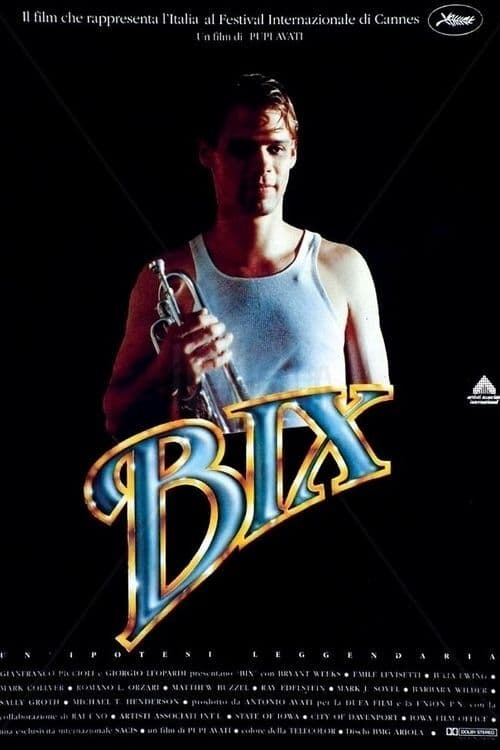
1991
No reviews yet. Be the first to share your thoughts on this movie!
Use the rating form above to leave a star rating and optional review.