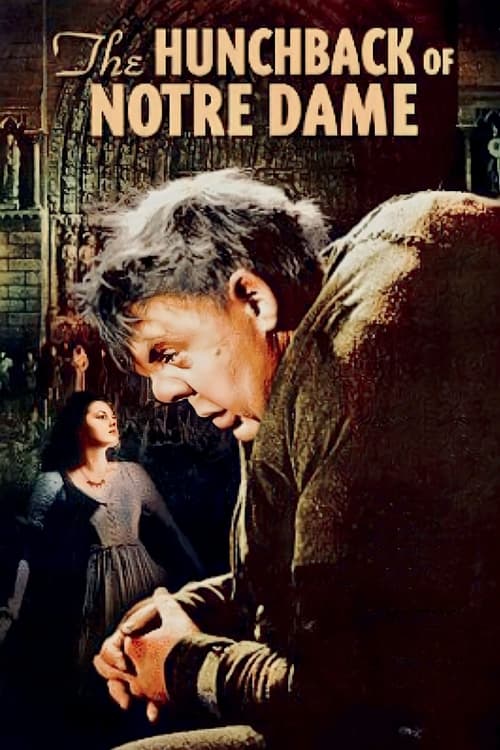
The Hunchback of Notre Dame
1939
No user ratings available yet
Representation score: 6.4 out of 10

Representation Score
Good
1982
Director
Michael Tuchner
Runtime
102 minutes
Average Rating
No ratings yetNew Showbiz Analysis
The film succeeds by centering the perspectives of underrepresented individuals against a backdrop of institutional oppression. By focusing on the ability to act of the 'other,' it creates a progressive narrative structure despite its period setting. Esmeralda and Quasimodo serve as anchors for ethnic and disability representation, respectively. Their struggles against a homogeneous, dominant society provide the film's primary emotional and moral weight. However, the production remains limited by a lack of LGBTQ+ representation and a reliance on traditional heterosexual romantic arcs. The focus remains strictly on the friction between outsiders and established social orders.
Category Breakdown
The film does not include explicit LGBTQ+ characters or non-straight relationships. Romantic storylines focus on traditional heterosexual dynamics and the predatory behavior of male characters towards Esmeralda.
Esmeralda provides a nuanced portrayal of women's ability to drive the story. She serves as the moral center, maintaining autonomy and resisting the predatory impulses of male authority figures.
The inclusion of Esmeralda as a Romani woman offers significant ethnic representation. Her identity is central to her social ostracization and the conflict with the dominant society.
The narrative critiques Western institutions like the Church and judiciary. These are depicted as sites of corruption where religious authority is used for personal obsession and control.
Quasimodo’s disability is central to the film's exploration of social ability to act. The story focuses on his lived experience of ostracization and his capacity to act as a protector.
Present on Screen
Limited or Absent
Official Synopsis
Quasimodo, the hunchback bellringer of Notre Dame's cathedral, meets a beautiful gypsy dancer, Esmeralda, and falls in love with her. So does Quasimodo's guardian, the archdeacon of the cathedral, and a poor street poet. But Esmeralda's in love with a handsome soldier. When a mob mistakes her for a witch, it's up to Quasimodo to rescue her and claim sanctuary for her in the cathedral.
1939
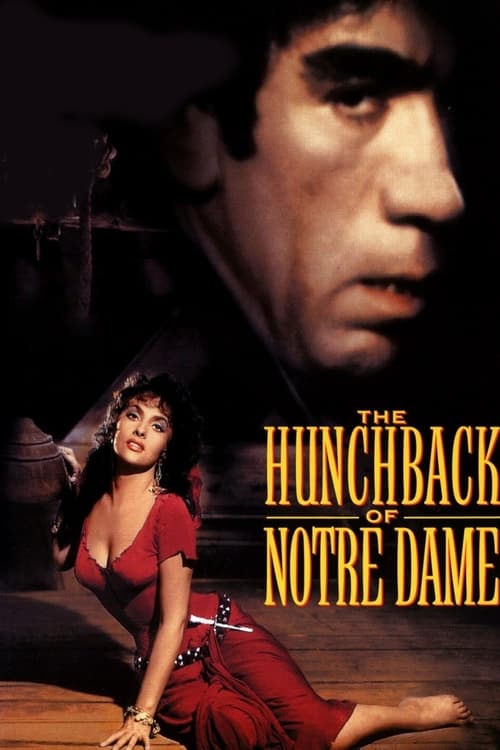
1956
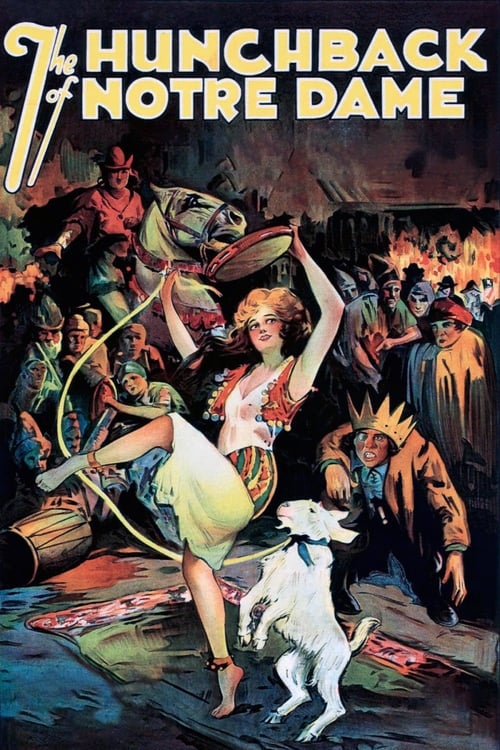
1923
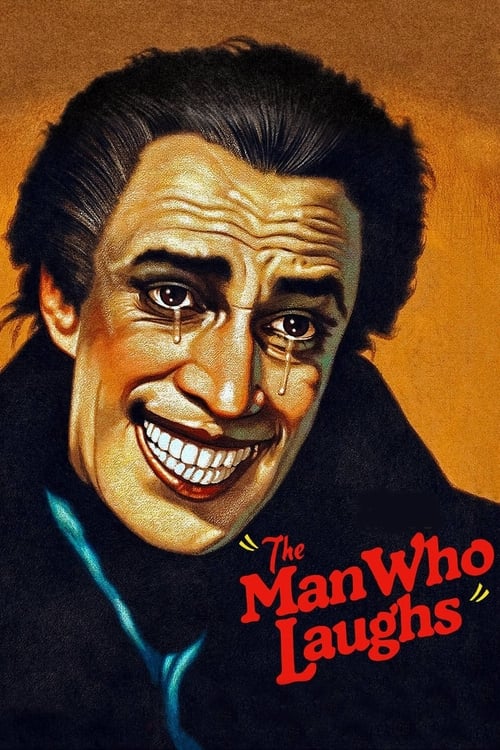
1928
1997
1925
1996
2004
No reviews yet. Be the first to share your thoughts on this movie!
Use the rating form above to leave a star rating and optional review.