
My Mother's Lovers
1986
No user ratings available yet
Representation score: 7.2 out of 10
Representation Score
Good
2006
Director
Marek Koterski
Runtime
105 minutes
Average Rating
No ratings yetNew Showbiz Analysis
Marek Koterski’s film is a localized character study that prioritizes psychological depth over demographic diversity. It dismantles traditional pillars like religion and stable fatherhood, offering a morally relativistic view of the human condition. While the film lacks racial and LGBTQ+ diversity, it succeeds in challenging traditional masculine roles and religious institutions. The portrayal of addiction as a complex, non-heroic reality provides a nuanced look at mental health and chronic illness. Ultimately, the work critiques social and spiritual structures through the lens of individual neurosis, favoring complex character studies over broad representation.
Category Breakdown
The film does not include explicit LGBTQ+ character arcs or non-straight relationships. Instead, it focuses on personal struggles and family issues.
The story centers around Adaś Miauczyński, a male intellectual. It challenges traditional masculine roles by showing the lead as neurotic and unstable rather than a strong leader.
The cast appears ethnically uniform, reflecting its Polish production context. The film functions as a localized character study rather than a diverse demographic showcase.
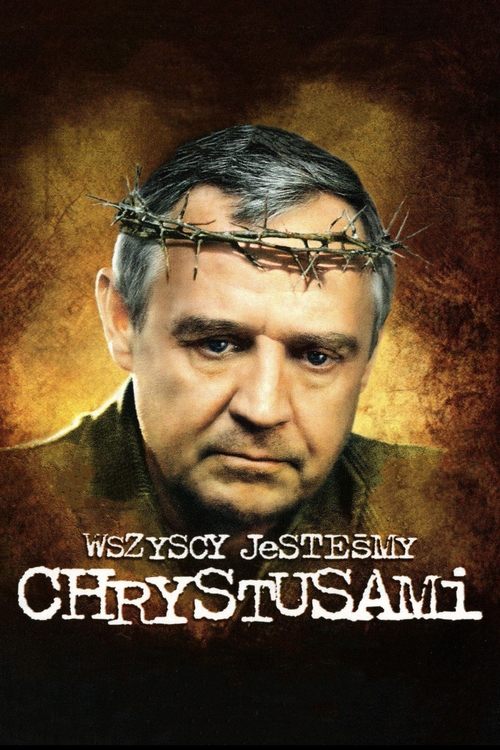
The film uses religious metaphors to critique spiritual frameworks. It prioritizes the chaotic psychological truth of the individual over adherence to religious or patriotic ideals.
The protagonist's severe alcoholism is portrayed as a complex, debilitating health condition. This approach avoids inspirational stories by focusing on the harsh realities of addiction.
Present on Screen
Limited or Absent
Official Synopsis
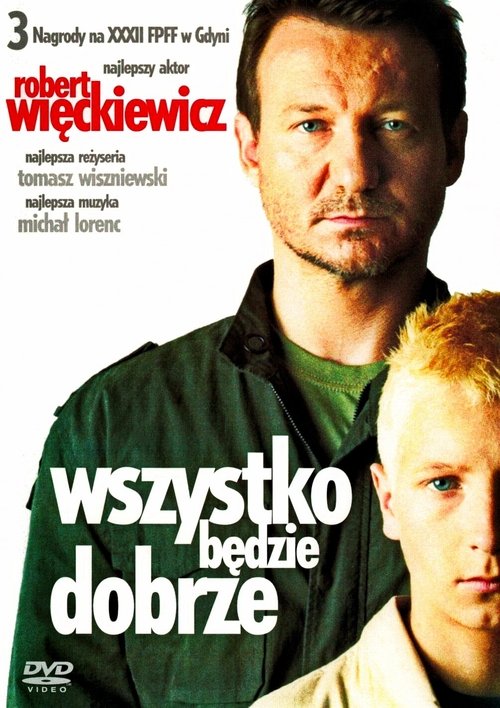
Adaś Miauczyński, a Polish intellectual, has severe alcohol problems which affect his relationship with his son Sylwek.
1986

2013
1958

1967

2001

2008
2007

2019
No reviews yet. Be the first to share your thoughts on this movie!
Use the rating form above to leave a star rating and optional review.