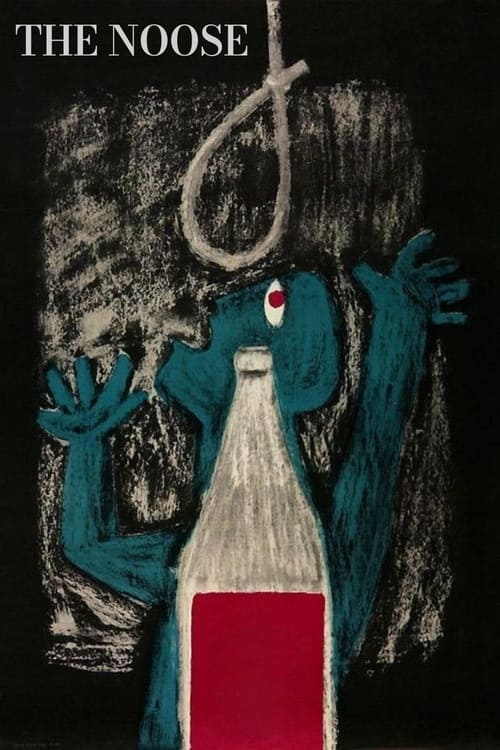
The Noose
1958
No user ratings available yet
Diversity score: 5.3 out of 10
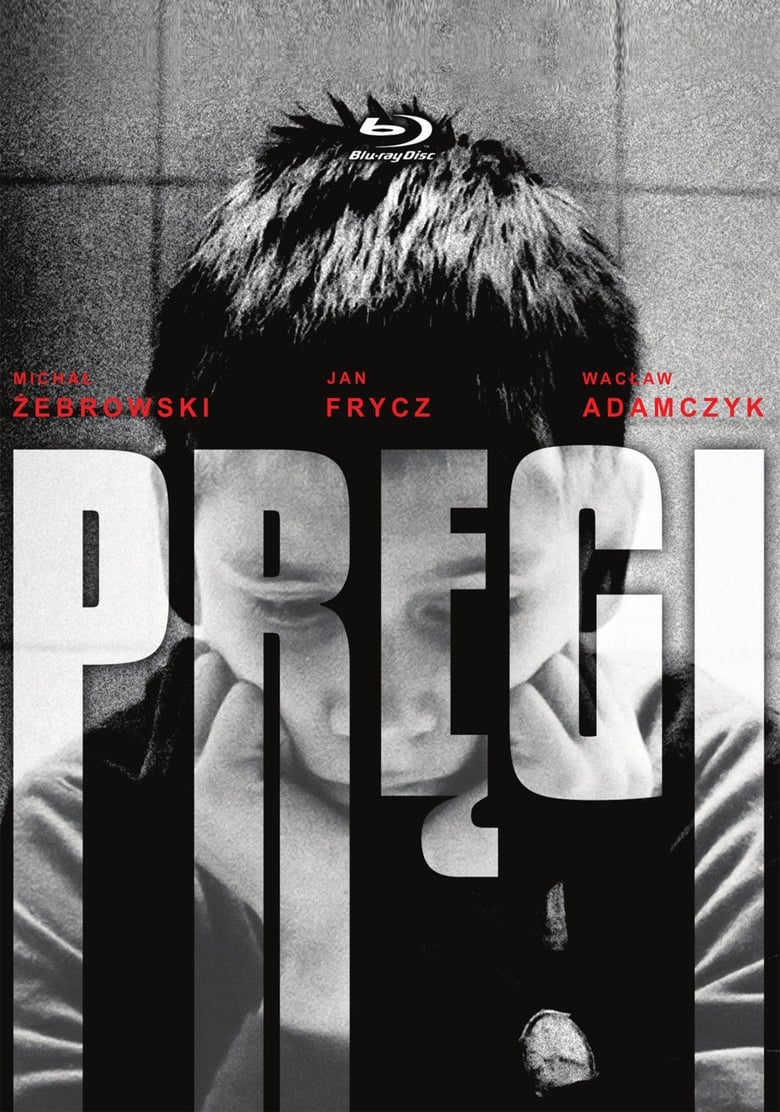
2004
Director
Magdalena Piekorz
Runtime
91 minutes
Average Rating
No ratings yetSynopsis
Following the death of his mother in '80s Poland, 12-year-old Wojciech has taken the brunt of his stressed father's frustrations with him; the boy frequently gets punished via belt. Wojciech's father occasionally tries to, instead, bond with him, but soon snaps back to his short-fused habits. Apart from Wojciech's friend Bartek, no one does anything to help. Jump to present day, Wojciech is a furrow-browed journalist who spends most of his spare time spelunking alone. Just like his father, he has serious anger management issues. Fellow caver Tania feels inexplicably attracted to him, but the love of a good woman may not be enough.
Overall Score
Fair
Category Breakdown
LGBTQ+ Representation
The film lacks explicit depictions of LGBTQ+ identities or non-heteronormative relationships. The narrative focus centers on the tension between Wojciech and Tania, missing specific markers for queer representation.
Gender Representation
The story subverts traditional masculine tropes by focusing on psychological instability rather than patriarchal competence. Tania acts as a proactive emotional force, though her agency is tied to her attraction to Wojciech.
Racial & Ethnic Diversity
Set in 1980s Poland, the cast reflects the demographic reality of its historical context. There is no evidence of multi-ethnic casting or race-bending within this specific setting.
Religious & Cultural Diversity
The film critiques the traditional nuclear family as an oppressive institution. It deconstructs Eastern European family structures by framing the domestic unit as a site of systemic frustration and trauma.
Disability Representation
Mental health is explored through themes of anger management and emotional regulation. Wojciech’s solitary, obsessive spelunking suggests a nuanced look at psychological trauma and neurodivergent-adjacent behaviors.
Strengths
Areas for Improvement
AI Analysis
The film excels at deconstructing social institutions, particularly the traditional family unit. By focusing on inherited trauma and the failure of parental guidance, it offers a complex critique of domestic authority. However, the work lacks intersectional breadth. It provides little visibility for LGBTQ+ identities or multi-ethnic perspectives, remaining largely confined to its specific Polish historical context. Ultimately, the film's strength is psychological depth rather than overt demographic diversity. It prioritizes the internal emotional landscapes of its characters over broad social representation.
1958
2008

2010

2007
2006

2008

2017

2016

2007
2001

2012

2017
No reviews yet. Be the first to share your thoughts on this movie!
Use the rating form above to leave a star rating and optional review.