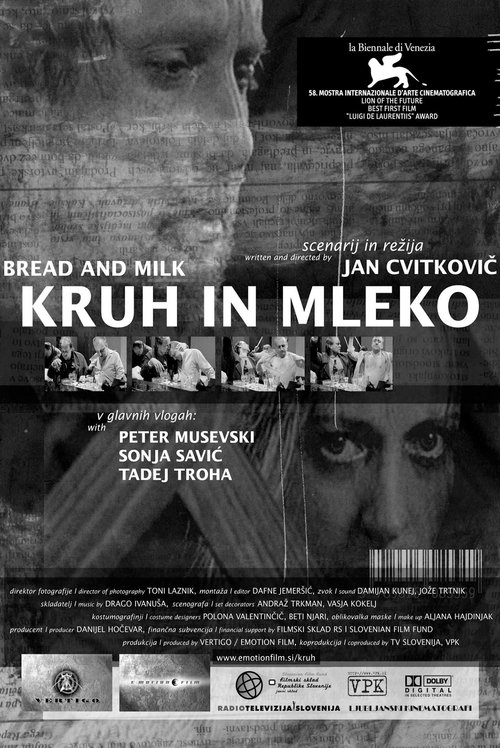
Bread and Milk
2001
No user ratings available yet
Diversity score: 4.9 out of 10
2018
Director
Zoe Berriatúa
Runtime
86 minutes
Average Rating
No ratings yetSynopsis
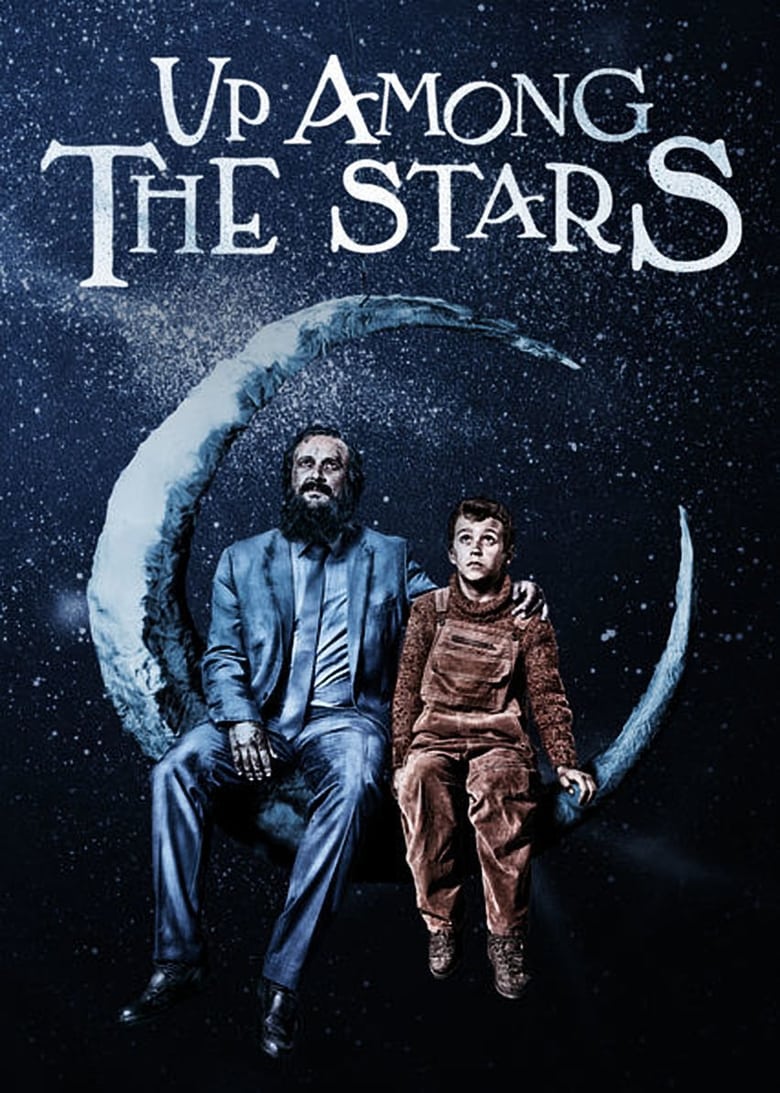
Víctor is a film director who is overcome by his own misfortunes. He is an alcoholic, unemployed and terribly depressed, largely because of the death of his wife. However, Victor is still the best in one thing: telling fantastic stories to his nine-year-old son, Ingmar. These stories are each of the scripts he dreams of directing in the future, when he gathers all the necessary resources. Victor and Ingmar share a present full of sadness and precariousness, but also full of robots and locations of films they have seen together. Despite forming a great team, their problems will multiply when others begin to question their role as a father.
Overall Score
Fair
Category Breakdown
LGBTQ+ Representation
The film focuses on a fractured nuclear family consisting of a father and son. There are no explicit depictions of LGBTQ+ identities or non-heteronormative dynamics present in the narrative.
Gender Representation
Víctor subverts traditional masculine archetypes by presenting a protagonist defined by vulnerability, unemployment, and alcoholism. The story deconstructs the stoic father figure through his struggle with depression and paternal inadequacy.
Racial & Ethnic Diversity
The narrative appears to follow a conventional character study without prioritizing intersectional racial dynamics. There is no evidence of a diverse or non-Anglo-Saxon majority cast.
Religious & Cultural Diversity
The film challenges the sanctity of the traditional Western nuclear family by portraying domestic life through a lens of precariousness. It avoids sanitized ideals in favor of a more nuanced, cynical view of stability.
Disability Representation
Mental health and neuro-social struggles are central to the characterization of Víctor. His depression and alcoholism are integrated into his agency, though the narrative remains rooted in his personal struggle.
Strengths
Areas for Improvement
AI Analysis
Up Among the Stars is a character-driven drama that finds its strength in deconstructing traditional social roles. By centering on a vulnerable, struggling father, the film moves away from idealized masculine tropes and sanitized family structures. However, the film lacks significant intersectional breadth. The narrative remains focused on a narrow interpersonal struggle, missing opportunities to include diverse racial or LGBTQ+ perspectives that would elevate its social complexity.
2001
2025
2009

2016

2008
2022
2010
2019

2010
2013

2012
2022
No reviews yet. Be the first to share your thoughts on this movie!
Use the rating form above to leave a star rating and optional review.