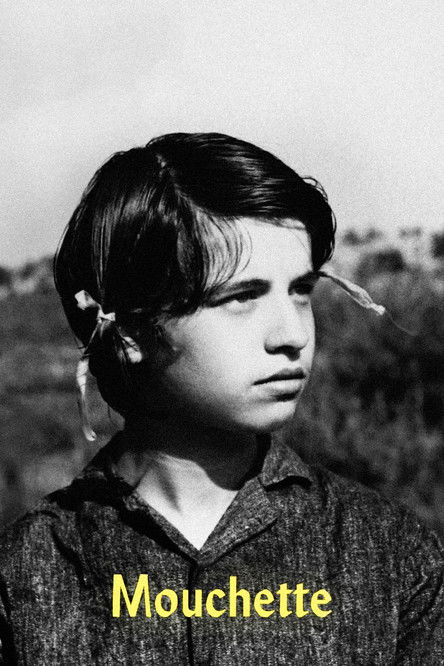
Mouchette
1967
No user ratings available yet
Representation score: 4.9 out of 10

Representation Score
Good
1974
Director
Janusz Nasfeter
Runtime
81 minutes
Average Rating
No ratings yetNew Showbiz Analysis
Janusz Nasfeter’s drama succeeds by focusing on the psychological realism of a young girl navigating a fractured domestic life. By emphasizing Anka’s perspective, the film provides a nuanced look at how broader societal failures and family instability affect adolescent development. The film’s strength lies in its willingness to deconstruct the idealized family unit. It treats addiction and mental instability seriously rather than using them merely as plot devices, offering a sharp critique of the institutions meant to provide support. However, the film is limited by its era and setting, resulting in a lack of LGBTQ+ representation and an ethnically uniform cast. While these reflect the historical context of 1974 Poland, they restrict the scope of its social diversity.
Category Breakdown
The film does not include any explicit LGBTQ+ characters or non-straight relationships. It focuses mainly on adolescent development and traditional family structures.
The story centers around the female experience through the protagonist, Anka. It emphasizes her perspective as she deals with a world influenced by adult failures and domestic instability.
Set in 1974 Poland, the cast appears ethnically uniform. The film reflects the demographic realities and social constraints of its specific time and place.
The film critiques institutional authority, showing how schools and communities avoid addressing difficult social truths. It presents a complex view of the family unit as a source of shame.
Mental health and addiction play key roles in the narrative. The film explores the impact of a mentally unstable mother and the widespread issue of alcoholism.
Present on Screen
Limited or Absent
Official Synopsis
In an idyllic working class community, 13 year old Anka grows up, going through stages of adolescence, dreaming, first love and gossiping with girlfriends. Roughly disturbed by the shame and disgrace of alcoholism - leaves unwashable stains upon the community, that tries to cope with abuse and depression, and the system (including school teachers) who try to avoid the subject. This story was aimed at parents, to give them morally an insight into what happens when a young girl has to deal with the disgrace of an alcoholic father and a mentally instable mother.
1967

1945

1986

1961

1975

1983

1992
1989
No reviews yet. Be the first to share your thoughts on this movie!
Use the rating form above to leave a star rating and optional review.