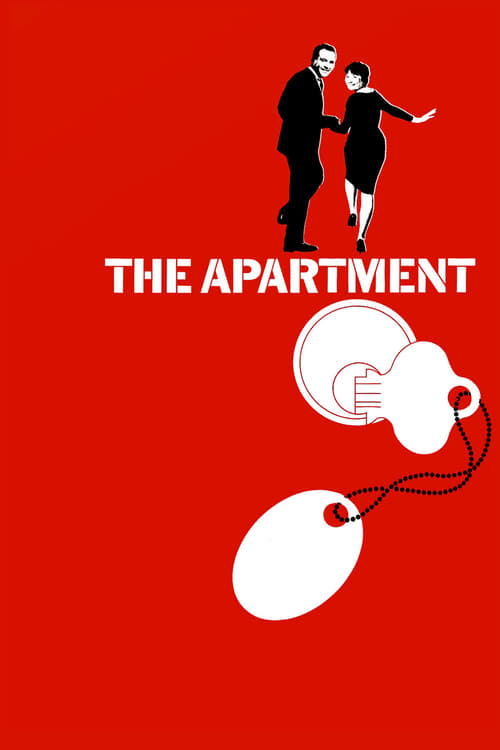
The Apartment
1960
No user ratings available yet
Representation score: 2.7 out of 10

Representation Score
Limited
1963
NRDirector
Billy Wilder
Runtime
147 minutes
Average Rating
No ratings yetNew Showbiz Analysis
Billy Wilder’s film is a sophisticated exploration of moral ambiguity that emphasizes individual choice over institutional law. It successfully challenges traditional gender hierarchies by giving the female lead significant economic and sexual autonomy. However, the film is limited by the homogeneity of its cast and the lack of diverse racial and ethnic perspectives. Additionally, there is no meaningful exploration of LGBTQ+ identities. Ultimately, the film critiques rigid social structures, highlighting the validity of the underrepresented characters' romantic truths over the morality imposed by the state.
Category Breakdown
The film focuses on a strictly heterosexual perspective. Nestor uses various alter-egos for comedic purposes, but these do not explore non-traditional gender identities.
Irma challenges mid-century gender norms by having significant sexual and economic power. The film centers on a self-determined woman rather than a submissive character.
Set in 1940s Paris, the film has a homogeneous European cast. It lacks diverse racial or ethnic perspectives, focusing solely on the Parisian underworld.
The film uses moral relativism, showing sex work and theft as survival tactics rather than sins. It treats law enforcement as a comedic obstacle, deconstructing traditional Western institutions.
There are no prominent depictions of visible or invisible disabilities. Characters with disabilities are not used as plot devices in the narrative.
Present on Screen
Limited or Absent
Official Synopsis
When a recently fired policeman falls in love with a French prostitute, he doesn't want her to be with other men, so he creates an alter-ego in order to become her only customer.
1960

1964

1965

1932

1959

1957

1964

1939
No reviews yet. Be the first to share your thoughts on this movie!
Use the rating form above to leave a star rating and optional review.