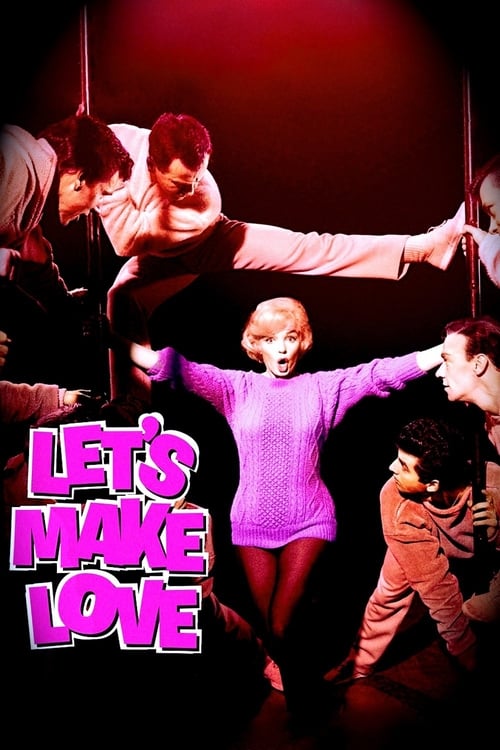
Let's Make Love
1960
No user ratings available yet
Representation score: 4.8 out of 10
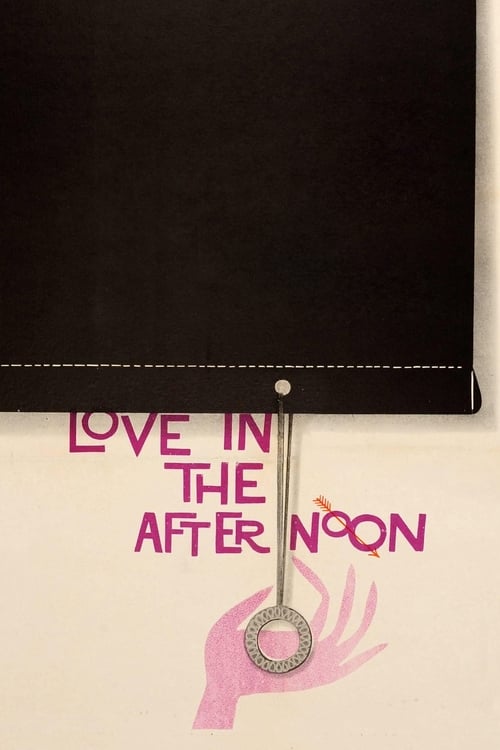
Representation Score
Limited
1957
NRDirector
Billy Wilder
Runtime
130 minutes
Average Rating
No ratings yetNew Showbiz Analysis
Billy Wilder's work here acts as a transitional piece for the 1950s. It shifts away from the era's rigid moral codes by examining situational ethics and social transgressions. The film successfully challenges the passive portrayal of women by giving the protagonist genuine ability to act. However, it remains confined to a narrow demographic, lacking in representation of LGBTQ+, racial, and ethnic diversity.
Category Breakdown
The film adheres to traditional assumptions where everyone is assumed to be straight and cisgender, with no depictions of same-sex relationships or diverse gender identities.
Ariane breaks the mold of 1950s stereotypes by taking an active role in driving the plot and showing intellectual independence. She is not just a passive domestic figure but an active participant in the story.
The cast is primarily composed of white and upper-class individuals, reflecting the limited scope of the era. Paris serves as an aesthetic backdrop without showcasing the city's multi-ethnic reality.
The film challenges strict Christian morals by presenting infidelity as a complex, subjective experience. It frames moral issues through a relativistic lens, moving beyond rigid moral judgments.
The narrative does not center on any visible or invisible disabilities, nor does it explore their impact on the characters.
Present on Screen
Limited or Absent
Official Synopsis
A middle-aged playboy becomes fascinated by the daughter of a private detective who has been hired to entrap him with a client's wife.
1960

1958
1964
1957

1958
1959
1955
1947
No reviews yet. Be the first to share your thoughts on this movie!
Use the rating form above to leave a star rating and optional review.